



Whether you sobbed uncontrollably watching Hamnet or yawned your way through it, one thing’s clear: it got people talking. And once Shakespeare is trending, it’s worth remembering that writers and filmmakers across the Arab world have been talking back to Hamlet for decades.
Adapting Shakespeare isn’t a novelty; it’s an endless, global, centuries-long conversation. Arab artists, in particular, have used Hamlet as a sharp tool to think through power, inheritance, patriarchy, spirituality, and political failure.
Here are some iconic Arab works inspired by Hamlet, each bending the prince’s dilemma to fit local realities.
1. Hamlet from the Slums — Egyptian Film
Directed by Ahmed Fawzi-Saleh
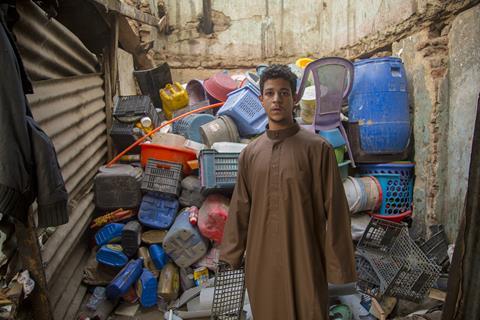
This is Hamlet dragged out of the palace and dropped into a Cairo slum.
Ahmed, 18, buries his father, the “king” of horse-drawn junk collectors. His uncle takes over the business, marries his mother, and keeps the wealth tightly in the family.
Ahmed grapples with patriarchy and suffocating inheritance, finding escape not in philosophy but in Sufi festivals, trance, and mysticism. When his father’s apparition appears, revenge beckons—but the story veers toward spiritual withdrawal rather than heroic violence.
The real tragedy? The slum itself is demolished, replaced by high-rises.
Power wins. Memory is erased. Hamlet survives—but the world he came from doesn’t.
2. Hamlet by Mohamed Sobhy — Egyptian Play
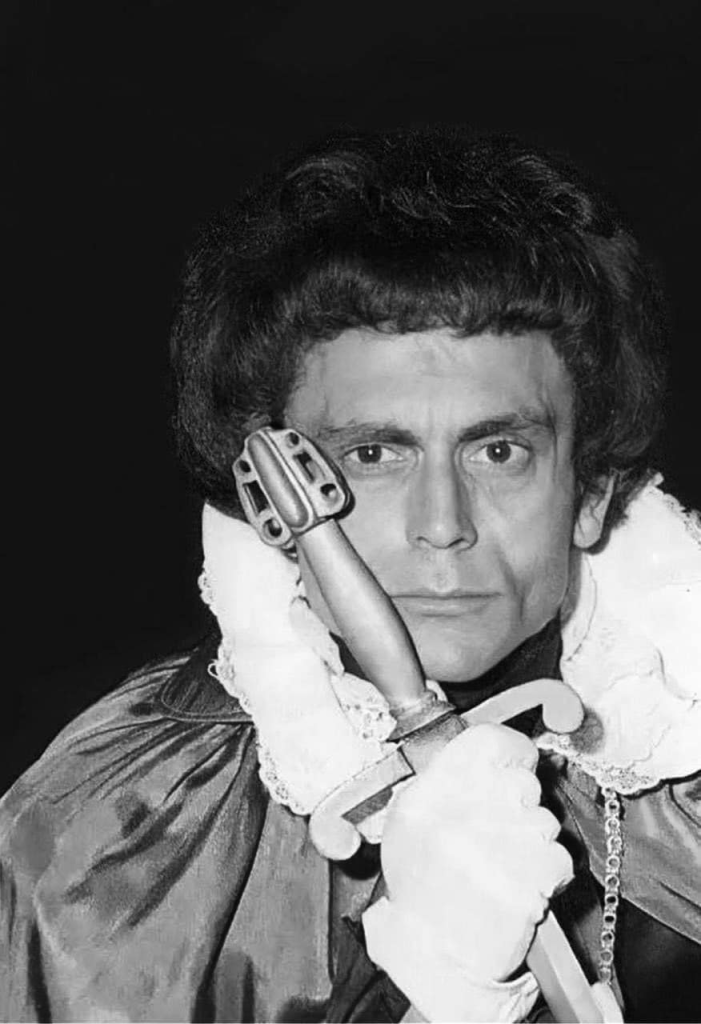
Mohamed Sobhy’s Hamlet is legendary in Egyptian theatre history.
He once said he lost all his savings producing it in 1978, but gained six lines in the Encyclopedia Britannica for offering one of the most distinctive modern performances of Hamlet.
Sobhy stayed close to Shakespeare’s core tragedy while reframing it through a contemporary lens, emphasizing performance, language, and psychological depth. It was a gamble that paid off artistically, if not financially.
This version matters not because it rewrote Hamlet, but because it claimed it—proving Shakespeare could be fully inhabited, not borrowed, on the Arab stage.
3. Hamlet Wakes Up Late — Syrian Play
By Mamduh Adwan
This one pulls no punches.
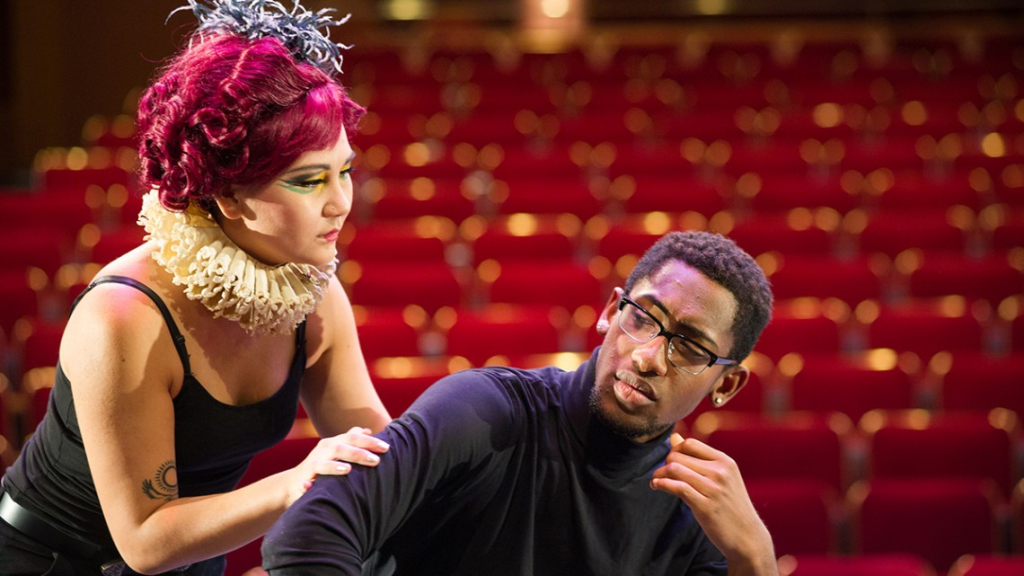
Adwan’s Hamlet isn’t paralyzed by thought—he’s self-absorbed, drunk, and artistically smug. While an authoritarian regime consolidates power and workers suffer, Hamlet is too busy admiring himself to notice.
By the time he “wakes up” to his father’s murder, his uncle’s tyranny, and a disastrous peace deal, it’s far too late. He’s put on trial and executed.
Adwan turns Hamlet into a warning: what happens when intellectuals and artists disengage from real political life.
4. Yomhel Wala Yohmel — Egyptian Film
A much looser, pulp-era Egyptian take on Hamlet.
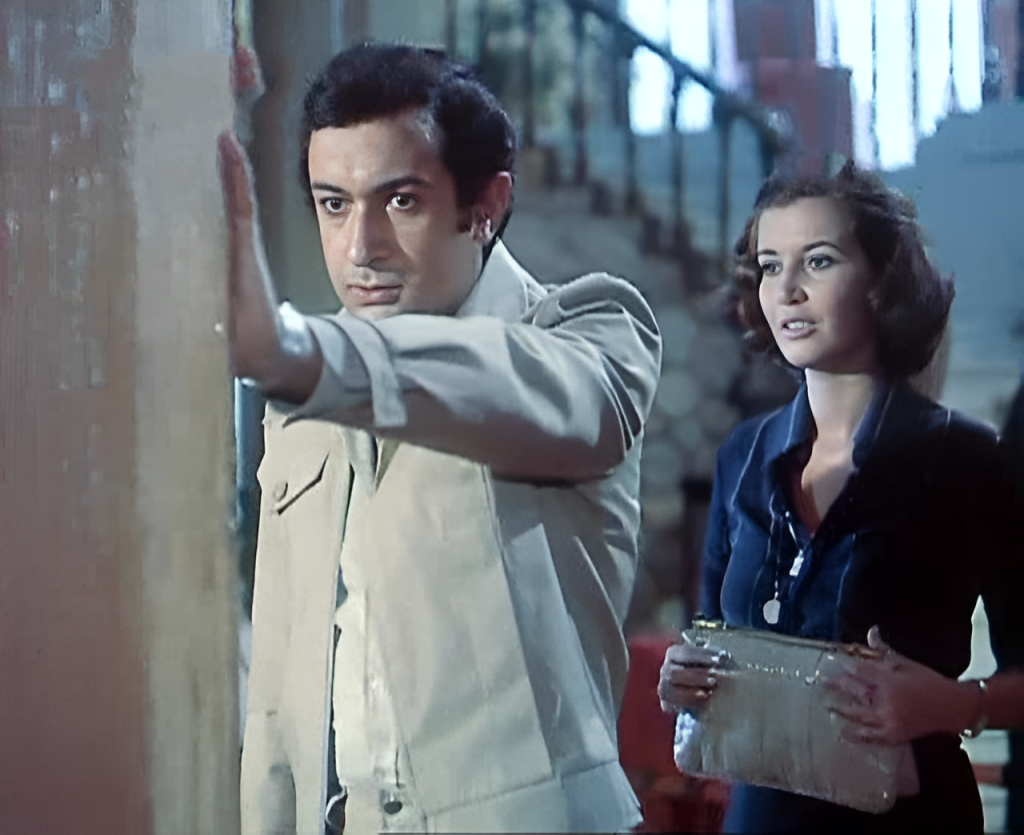
After Sami’s father is murdered, Sami hunts for the truth. Suspicion circles Abdel Samad, the father of the woman Sami loves, so Sami marries into the family to stay close to his enemy.
Then Abdel Samad is murdered too, and the plot spirals.
Starring Farid Shawqi, Nour El-Sherif, and Mervat Amin, the film translates Hamlet’s revenge engine into classic Egyptian melodrama: fate, suspicion, masculinity, and tragic coincidence.
5. The Al-Hamlet Summit — Kuwaiti Play
By Sulayman Al-Bassam
This is Hamlet through a geopolitical lens.
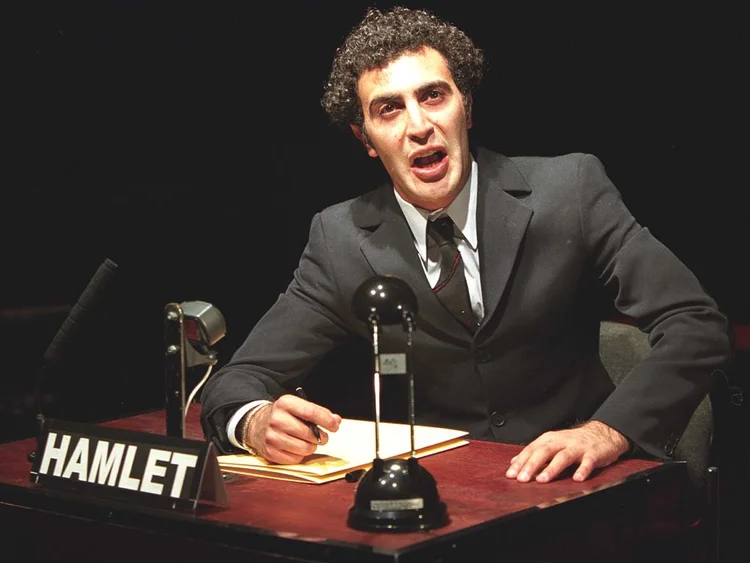
Al-Bassam reimagines Elsinore as a conference room in an unspecified Middle Eastern setting. Shakespeare’s characters become political delegates gathered at a supposedly “transparent” summit that gradually takes on the atmosphere of a crisis meeting.
At the center of the story is an authoritarian leader, while the dead ruler’s son, Hamlet, plots his revenge.
Written in the shadow of post-2001 global politics, the play blends Arab oral poetry with modern political rhetoric.
Why Hamlet Keeps Coming Back
Whether in palaces, slums, theatres, or summits, Hamlet keeps returning because he’s not just a prince—he’s a question.
And clearly, Arab artists have had a lot to say back.