


A series of events in London and online this weekend drew attention to the wider protests unfolding in Iran. From a brief act at Iran’s embassy in London to changes on the major social media platform X, symbols tied to the country’s past have re-emerged as demonstrations continue both inside Iran and abroad.
Pre-Revolution Flag Raised at Iranian Embassy in London
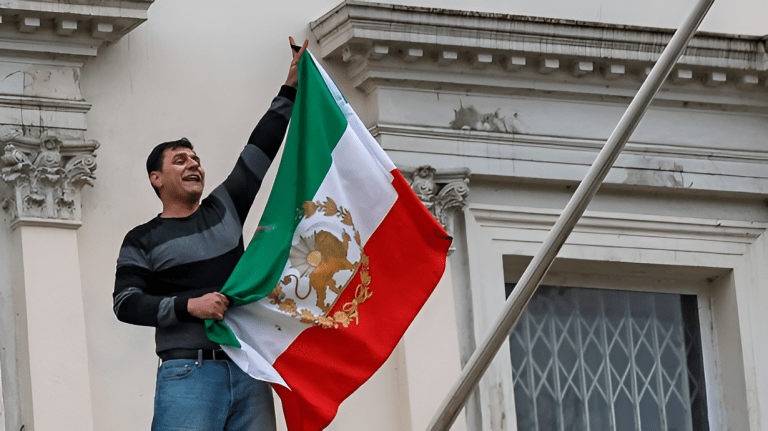
During a protest in London on Saturday, a demonstrator climbed onto the Iranian embassy building and temporarily removed the country’s current flag. In its place, he raised a flag used before Iran’s 1979 revolution, featuring the Lion and Sun emblem.
Videos shared on social media showed the moment unfolding as a large crowd gathered nearby. The banner remained visible for several minutes before it was taken down. Later, the embassy shared an image confirming that the Islamic Republic’s flag had been put back in place.
London Protest Reflects Support for Demonstrators in Iran
The demonstration outside the embassy was part of broader rallies held by Iranians abroad in support of protests happening back home. Participants chanted slogans calling for political change and justice, while others held signs reading “Free Iran.”
Some demonstrators displayed images of Reza Pahlavi, the son of Iran’s last monarch, who was removed from power during the 1979 revolution. Iranian authorities have criticized the protests, with the country’s leadership taking a hard line.
Iran’s Supreme Leader Ayatollah Ali Khamenei has described anti-government protesters as troublemakers and accused them of attempting “to please the president of the United States.”
X Replaces Iran Flag Emoji With Pre-Revolution Flag
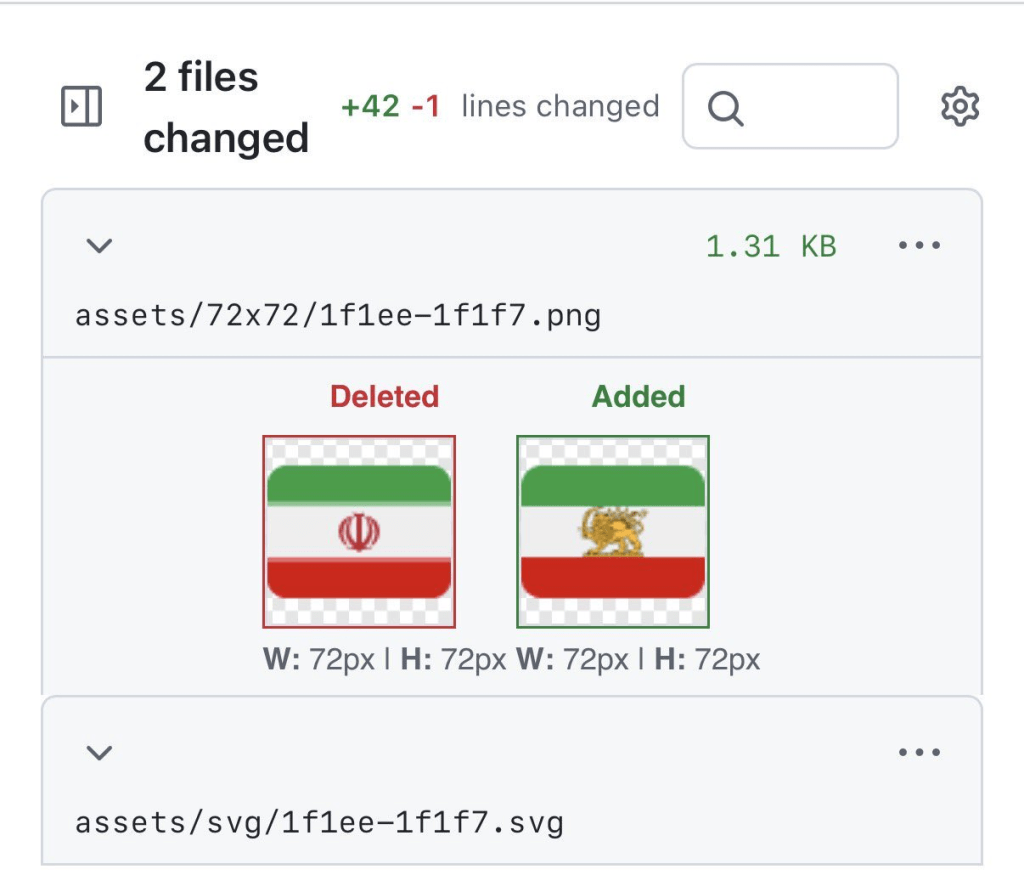
At the same time, users on the social media platform X noticed a change to the Iranian flag emoji. The symbol now appears as the Lion and Sun flag rather than the one adopted after the Islamic Revolution.
The update is available web only and will soon roll out on mobile. After the change went live, several official Iranian government accounts briefly showed the historic flag before removing the emoji entirely from their profiles.
The Lion and Sun design, once Iran’s national symbol for centuries, has increasingly become associated with opposition movements and protest activity.
Economic Strain Behind Nationwide Protests
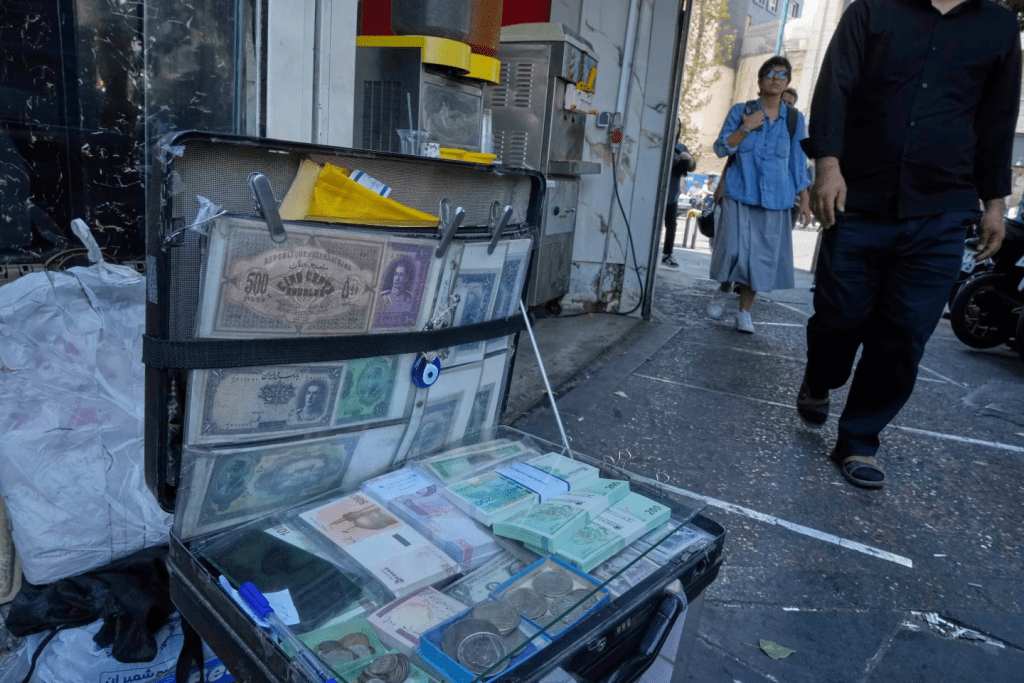
The unrest inside Iran began around two weeks ago, largely driven by worsening economic conditions. The country’s currency has sharply lost value, pushing everyday costs higher and straining household budgets.
Iran has been grappling with annual inflation, while the national currency has fallen to almost 1 million rial to one U.S. dollar. Prices for basic goods such as meat, rice, and cooking oil have risen significantly, according to local reports. The pressure has intensified since renewed international sanctions were imposed over Iran’s nuclear program.
Size of the Protests and Human Cost
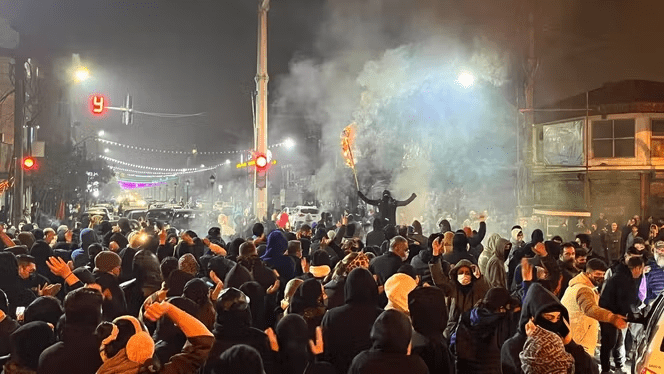
Protests have been reported across Iran, spanning all 31 provinces. According to human rights groups monitoring the situation, hundreds of demonstrations have taken place in cities including Tehran, Isfahan, Shiraz, Mashhad, and Ahvaz.
At least 116 people have been reported killed, with more than 2,600 arrests recorded so far. Authorities have restricted access to the internet and phone networks in several areas, limiting the flow of information and making independent verification difficult.
Conclusion
The flag incident in London and the changes seen on social media come as protests continue across Iran amid ongoing economic challenges. While demonstrations have drawn international attention, Iranian authorities maintain their position, and restrictions on communication remain in place. The situation continues to develop as events unfold both inside the country and among Iranian communities abroad.
WE ALSO SAID: Don’t Miss…The Iran–Israel Ceasefire: A Recap of the Events So Far