


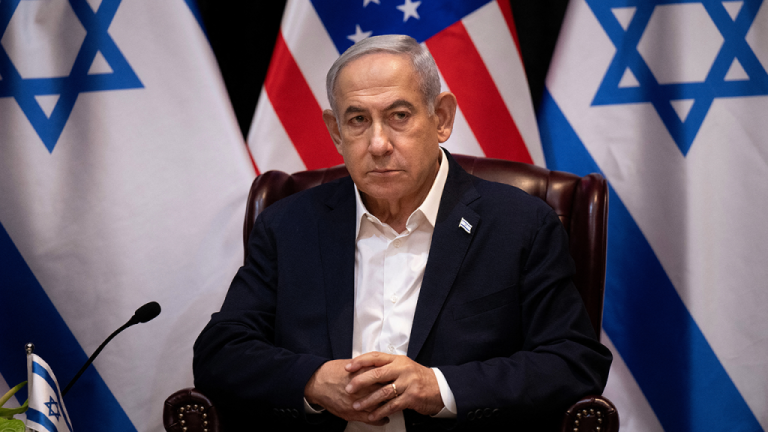
Israeli leaders are increasingly, and reportedly, casting Turkey as a rising regional threat alongside — and in some scenarios rivaling — Iran. The shift signals a broader recalibration: even as tensions with Tehran remain central, more senior Israeli political figures are openly warning about Ankara’s ambitions. Former Prime Minister Naftali Bennett has even characterized Turkey as the “new Iran,” signaling a notable shift in rhetoric and strategic focus.
Bennett’s Warning: A “New Turkish Threat”
At a major conference in Jerusalem, former Prime Minister Naftali Bennett described President Recep Tayyip Erdoğan as a “sophisticated and dangerous adversary.” He reportedly argued that Israel must not “turn a blind eye” and should be prepared to counter hostility from both Tehran and Ankara simultaneously.
The message was clear: in Bennett’s framing, Turkey is no longer just a diplomatic irritant but an emerging strategic rival.
The Alleged Sunni Axis
Bennett and other Israeli politicians have pointed to what they describe as a developing Sunni axis centered on Turkey and Qatar. According to this framing, the concern is less about direct military confrontation and more about ideological influence and regional positioning — particularly in Syria and Gaza.
Some analysts have raised worst-case scenarios involving closer alignment between Ankara and Pakistan, which possesses nuclear capabilities. While speculative, such possibilities are cited by Israeli commentators as evidence that the regional balance could shift quickly if new partnerships solidify.
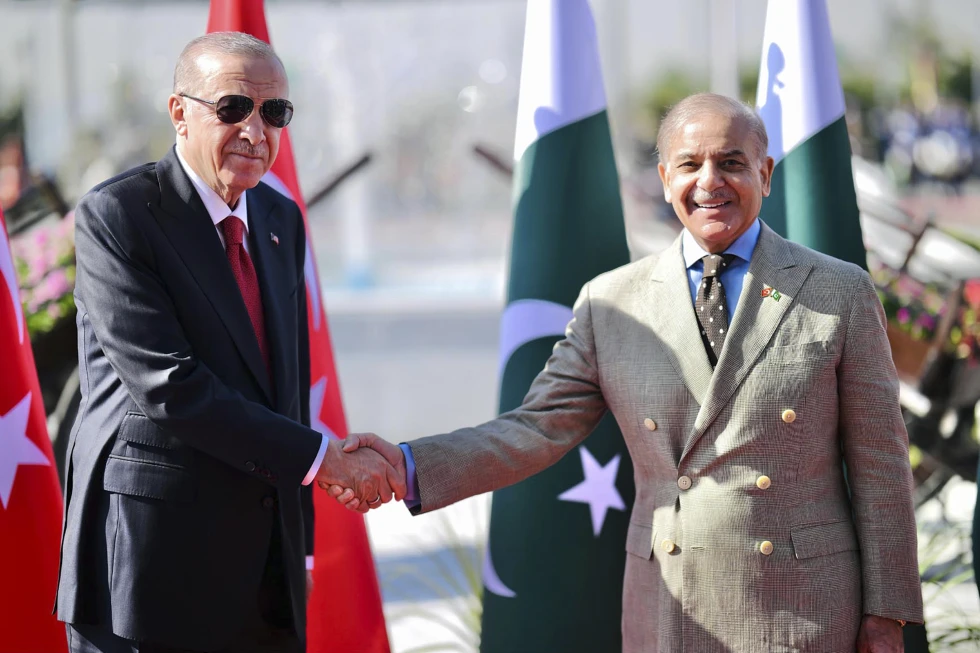
Why Turkey Is Viewed as A Bigger Threat to Israel than Iran
For decades, Israel’s security doctrine has centered on Iran’s regional network, including groups such as Hezbollah. Iran’s nuclear ambitions and proxy forces shaped Israeli defense planning.
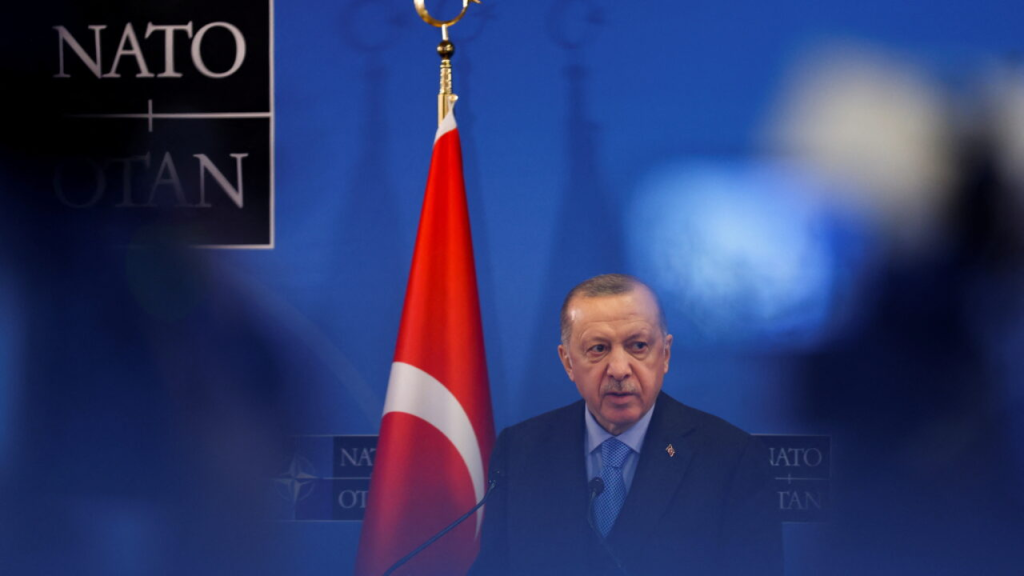
Turkey presents a different kind of challenge. Unlike Iran, it is a NATO member, economically integrated, and globally connected. That combination — ideology mixed with pragmatism — is seen by some Israeli strategists as making Ankara harder to isolate and predict.
Economic Pressure from Ankara
Tensions are not only rhetorical. In 2024, Turkey reportedly imposed a full trade embargo on Israel, signaling that economic tools are also in play. As a G20 economy with influence spanning Europe, the Middle East, and Asia, Turkey has leverage that Iran — constrained by sanctions — does not.
For Israeli policymakers, this was a reminder that friction with Ankara can carry tangible economic consequences, not just diplomatic fallout.
Netanyahu’s “Hexagon” Strategy
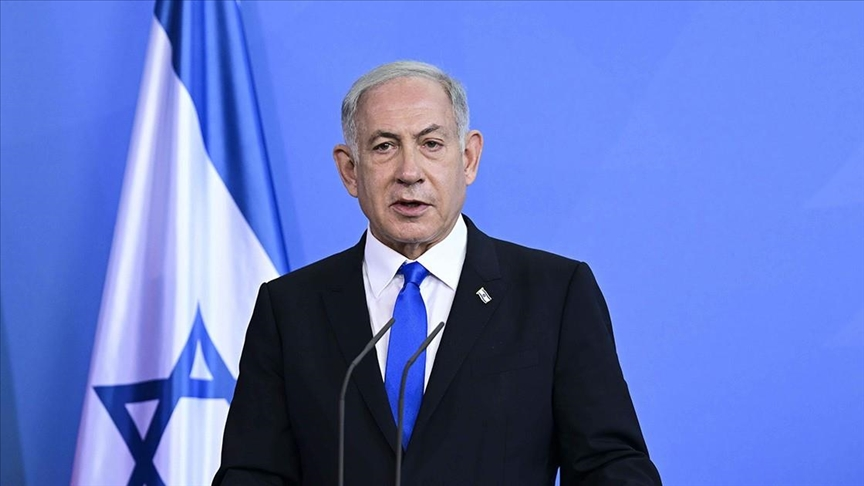
Separately, Prime Minister Benjamin Netanyahu has spoken about building a new “hexagon” of partnerships. He has mentioned countries such as India, Greece, and Cyprus, alongside unspecified Arab, African, and Asian states.
Netanyahu has described this framework as a way to counter both what he calls radical Shi’a and emerging Sunni axes, while complementing — not replacing — Israel’s reliance on the United States. The proposal reflects a broader effort to diversify alliances as regional alignments continue to shift.
Political Strategy or Strategic Reality?
Not everyone agrees that Turkey is becoming Israel’s “next Iran.” Former Israeli diplomat Alon Pinkas has argued that Israeli politics often operate within a constant threat narrative — meaning today’s focus can shift depending on domestic and regional calculations.
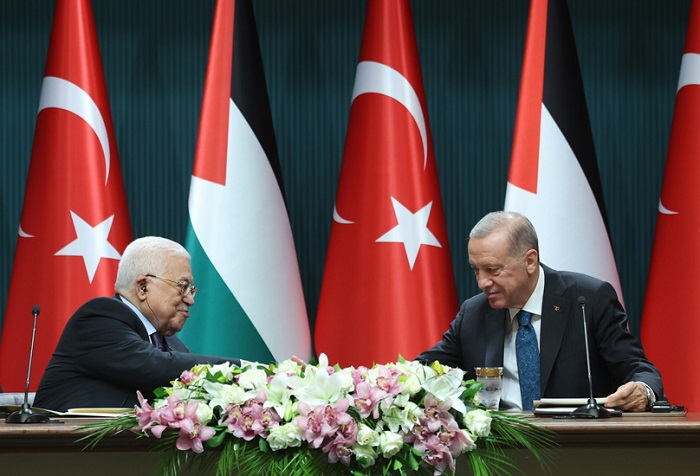
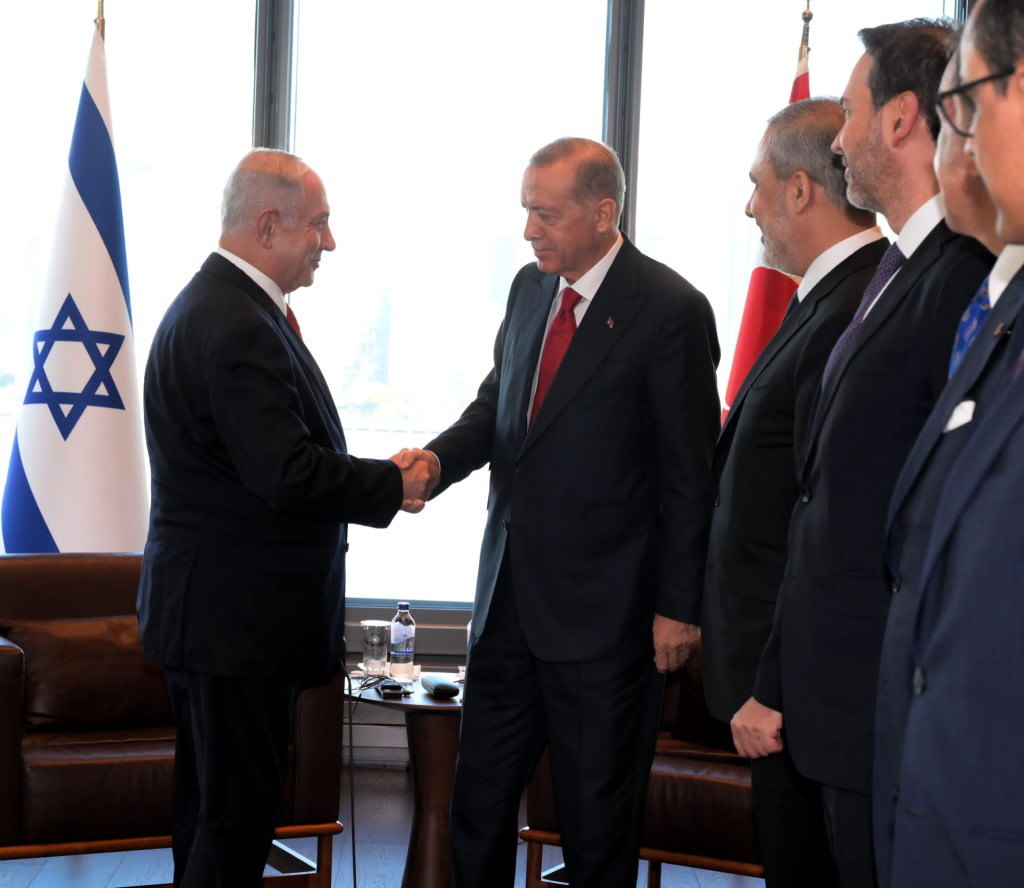
Still, the tone from figures such as Bennett and Netanyahu has undeniably hardened. Turkey’s vocal criticism of Israel’s policies toward Palestinians, combined with its regional outreach, has deepened mistrust.
Conclusion: A More Complex Rivalry
Whether this represents a long-term strategic pivot or partly election-season positioning remains debated. What’s clear is that Israel’s security discourse is expanding beyond Iran alone.
Turkey represents a different kind of competitor: not isolated and sanctioned, but integrated, economically powerful, and diplomatically active. If this framing continues to gain traction among Israeli leaders, the region may see a new era of structured rivalry — defined less by direct war and more by alliances, economic leverage, and influence across the broader Middle East.
We Said This: Don’t Miss…Israel Strikes Beirut After Hezbollah Launches Retaliatory Attacks