


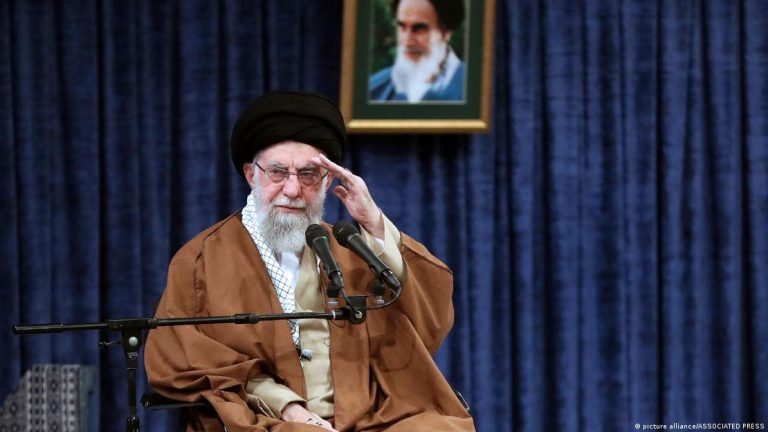
Ayatollah Ali Khamenei, Iran’s supreme leader for more than 30 years, was killed on February 28, 2026 in a joint US‑Israeli air strike on his compound. He was 86. Iranian media said some of his family members were also killed. US officials described the strike as targeting Iran’s top leadership, and the news sent shockwaves across the region, with retaliatory attacks from Iran on U.S. bases in the Middle East.
Humble Beginnings
Khamenei was born in 1939 in Mashhad to a modest clerical family of Azerbaijani origin. From a young age, he studied Shiite theology and was drawn into the movement against the Shah. His activism didn’t go unnoticed, he was imprisoned by the Shah’s secret police a few times before the revolution.
These early experiences shaped his political outlook and prepared him for the role he would play in post-revolutionary Iran.
Climbing the Ranks
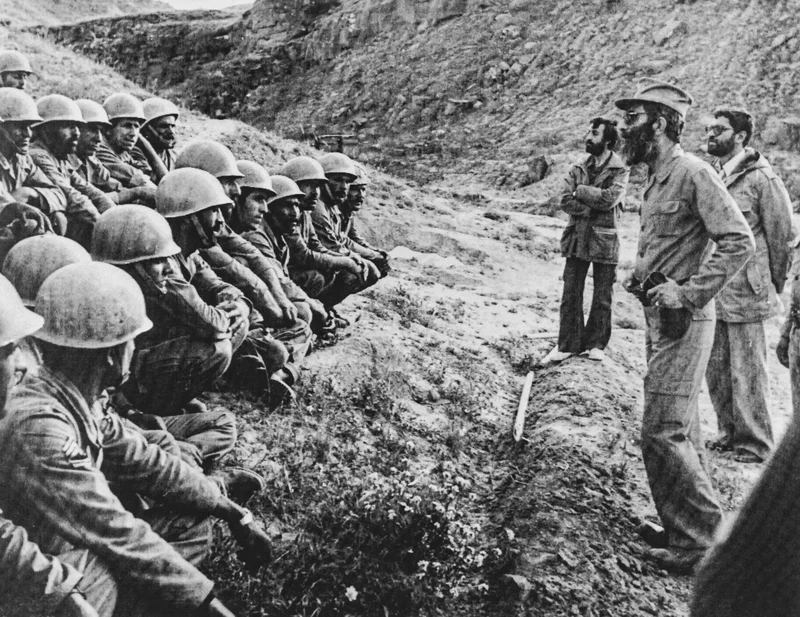
After the 1979 Islamic Revolution, Khamenei gradually rose through the new government. The revolution had been led by Ayatollah Ruhollah Khomeini, a religious scholar and political leader who overthrew the Shah and became Iran’s first supreme leader, establishing the Islamic Republic and a system of clerical rule.
Khamenei took on key roles, including deputy defense minister and later president during the Iran‑Iraq war. When Khomeini died in 1989, Khamenei became supreme leader. At the time, he was only a mid-ranking cleric, and his rise reportedly required careful political maneuvering and changes to the constitution.
Running the Country
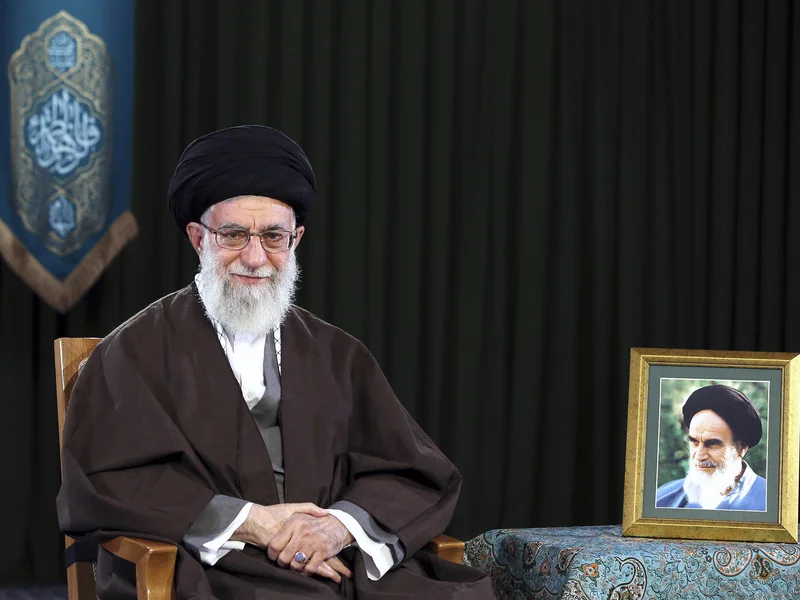
As supreme leader, Khamenei centralized power in Iran. Authority increasingly rested in unelected institutions loyal to him, particularly the Islamic Revolutionary Guard Corps (IRGC). Originally created after the 1979 revolution to defend the Islamic Republic, the IRGC grew into a dominant military, intelligence, and economic force. Khamenei relied on it to maintain security, influence the economy, suppress protests, and shape foreign policy.
Khamenei also promoted a “resistance economy” to push self-reliance under sanctions, though critics saw it as contributing to isolation and hindering modernisation.
While elections continued, candidates were carefully vetted, often leaving reformists out. Over the years, Iranians protested several times — in 2009, 2019, and late 2025 — and the responses were often harsh.
Khameni had even survived a 1981 assassination attempt by the Mojahedin‑e Khalq (MEK), which left his right arm permanently unusable. Khamenei saw these challenges mainly as foreign threats to Iran’s security rather than domestic complaints.
Looking Outward: Regional Strategy
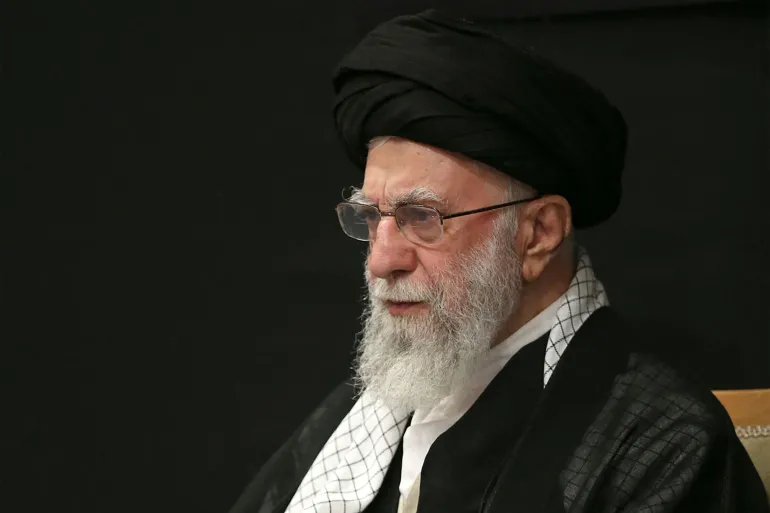
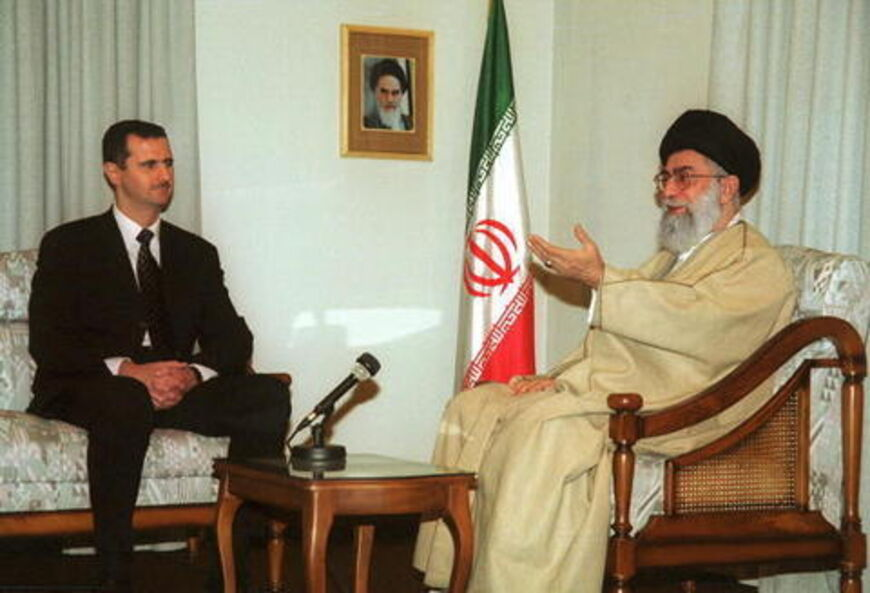
Khamenei’s foreign policy focused on defending Iran and projecting power. He created the “Axis of Resistance”, building alliances with Hezbollah in Lebanon, Shiite militias in Iraq, and other partners across the region.
He saw Iran’s nuclear program as a right for peaceful use, but wary of the West, he issued a fatwa banning nuclear weapons to signal restraint while Iran continued its program. Even when he approved the 2015 nuclear deal as a way to ease tensions and sanctions, he kept a cautious, “resist first” stance toward the US.
Khamenei also promoted a “resistance economy” to push self-reliance under sanctions, though critics saw it as contributing to isolation and hindering modernisation.
Tensions and Conflicts
Relations with the US and Israel worsened over the years. In 2025, Israel attacked Iranian facilities to slow its nuclear work. Iran fired back with missiles. Coupled with sanctions and economic problems, the country faced rising protests. Late 2025 saw widespread demonstrations over the currency collapse and living costs, reportedly leaving thousands dead and challenging Khamenei’s grip on power.
The Air Strike
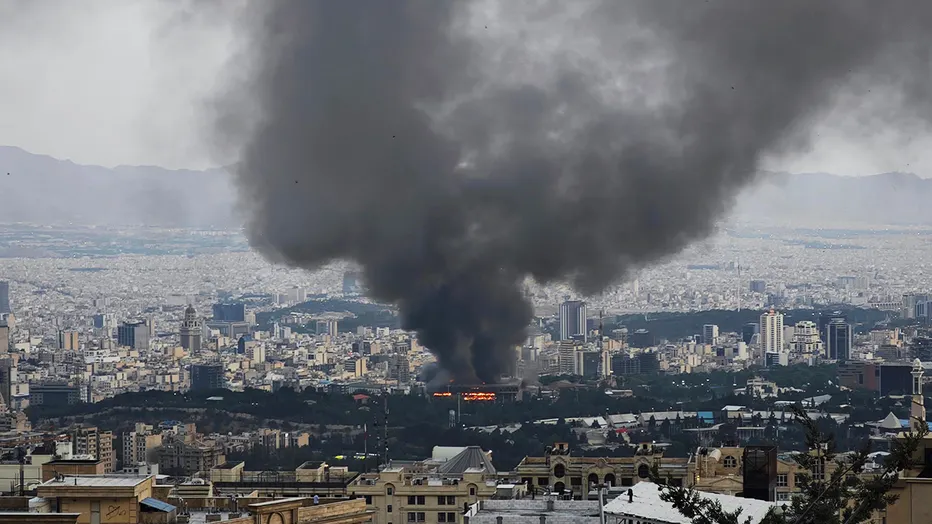
The 28 February 2026 air strike killed Khamenei and members of his inner circle. Iran described him as “martyred.” The attack also sparked further military alerts and missile strikes across the region. It’s a moment that could change Iran’s leadership and its approach to both domestic and foreign affairs.
Impact and Influence
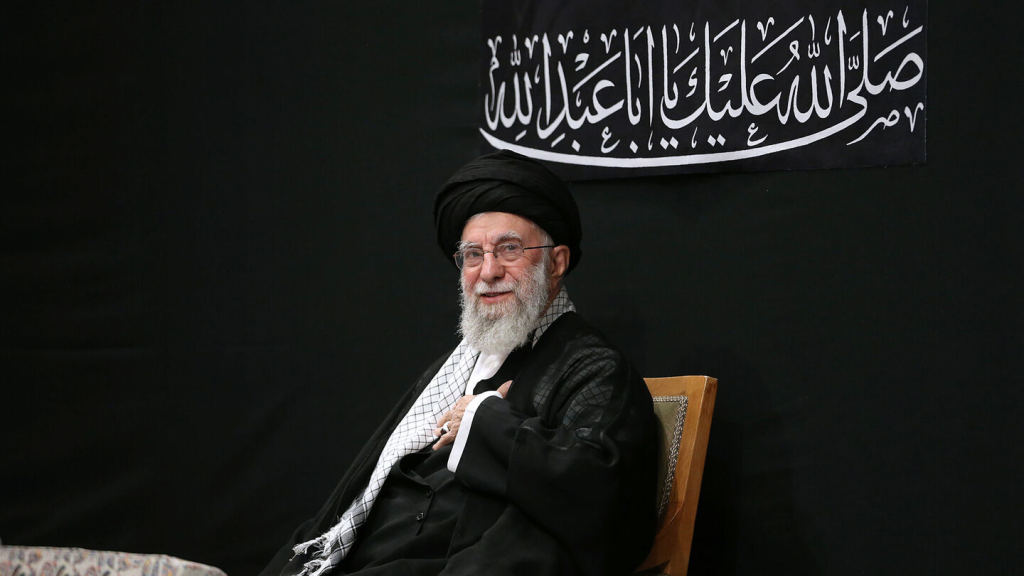
Khamenei shaped Iran through decades of centralization, resistance, and regional influence. Whether one agrees with his policies or not, there’s no denying his impact on the country. His death leaves Iran at a crossroads, with uncertain consequences for the region and the world.
WE ALSO SAID: Don’t Miss…Iran’s Face of Opposition: Who Is Reza Pahlavi?