


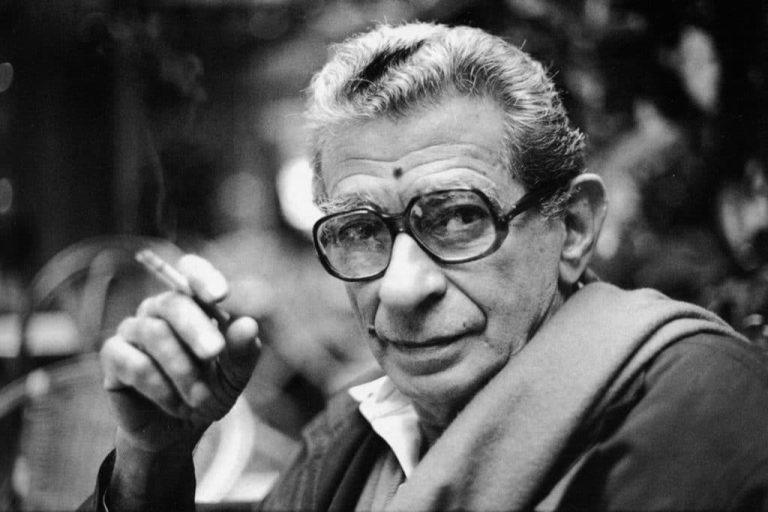
The Arab World Institute in Paris will mark the centenary of legendary filmmaker Youssef Chahine with a four-day programme running from January 22 to 25, celebrating his enduring legacy through a selection of film screenings and in-depth panel discussions.
The Visionary Who Redefined Arab Cinema
Youssef Chahine remains one of the most influential figures in Egypt’s cinematic history, celebrated for a remarkable body of work that fused powerful storytelling with social and political commentary. His filmography speaks for itself with classic films that include Alexandria… Leh?, Hadota Masrya, Alexandria Kaman W Kaman, and Alexandria–New York.
Chahine’s enduring impact earned him wide international acclaim, including a Lifetime Achievement Award at the Cannes Film Festival in 1997 and the French Legion of Honour in 2006.
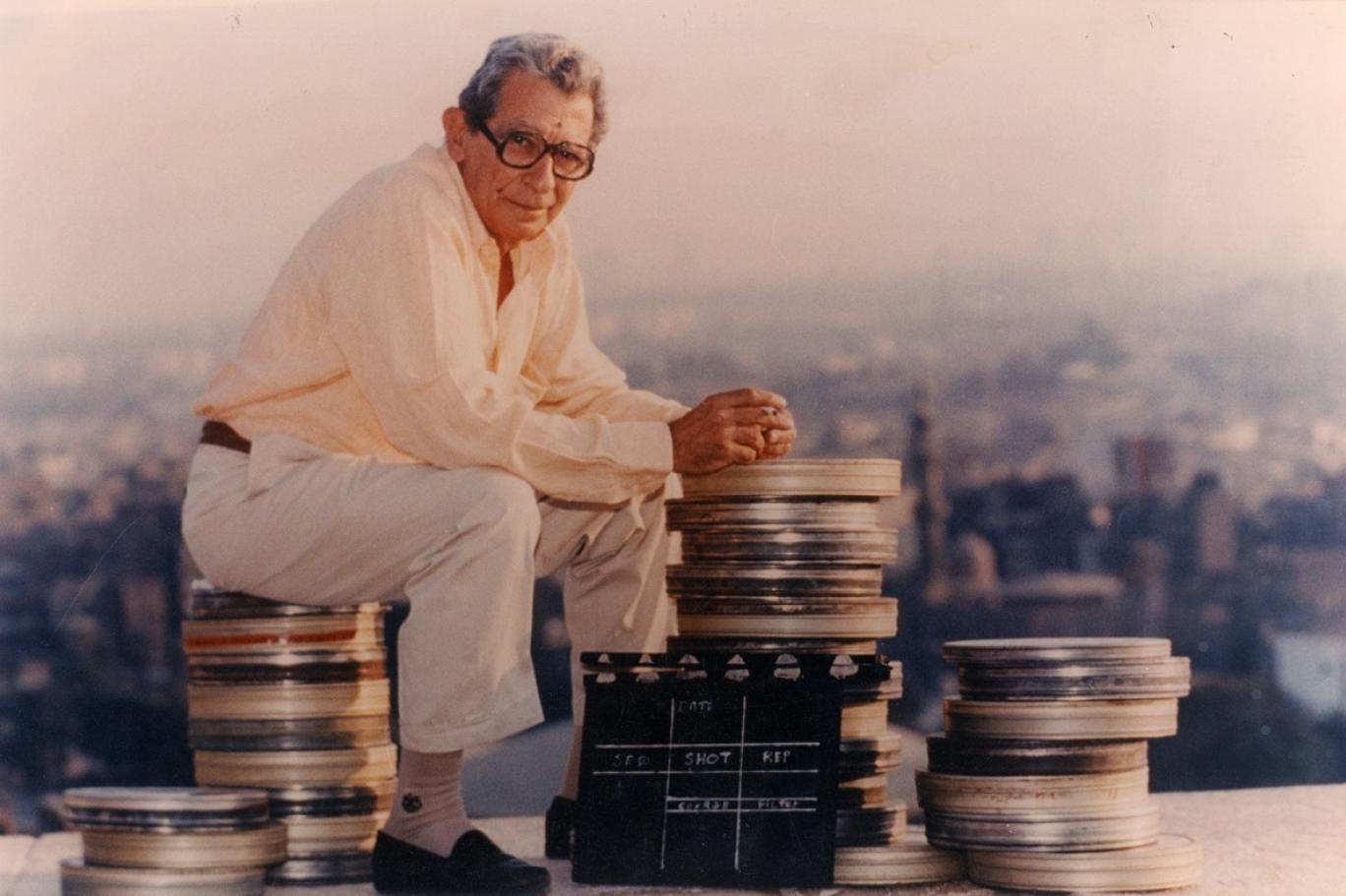
Chahine’s Legacy Through Memory and Film
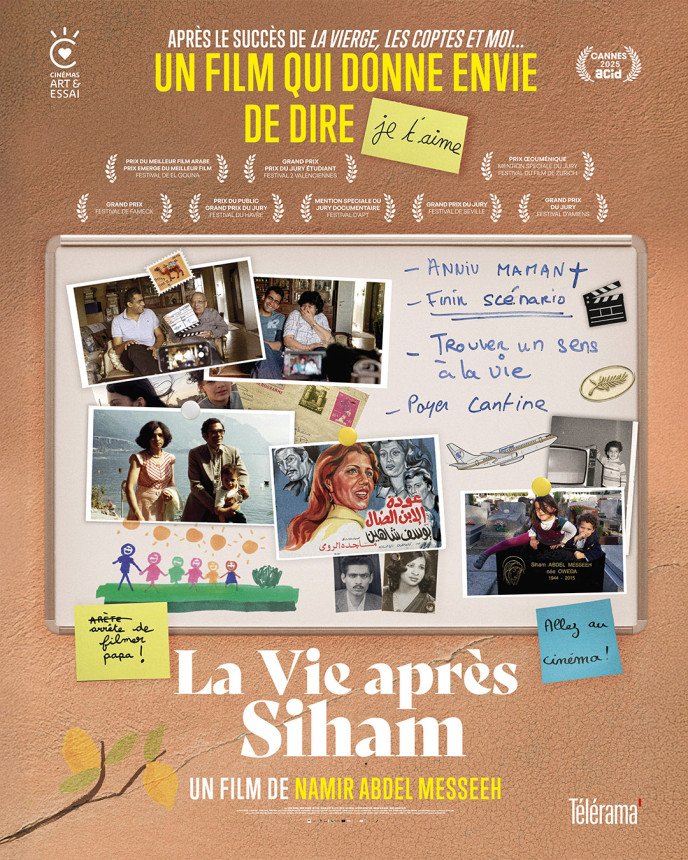
The programme opens on January 22 with a panel titled Youssef Chahine: Portrait and Legacies, featuring Yousry Nasrallah, Marianne Khoury, and Rashid Masharawi, and moderated by Jean-Michel Frodon. The discussion will be followed by a screening of Life After Siham by Namir Abdel Messeeh.
Abdel Messeeh’s documentary continues his exploration of identity, belonging, and memory, shaped by a promise he made to his mother, Siham, before her passing. The film moves between Egypt and France as Namir revisits his family history with the films of Youssef Chahine as his companion.
Female Strength in Chahine’s Cinema
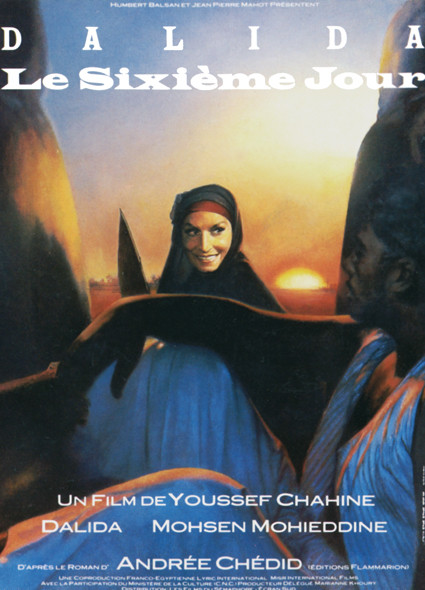
On January 23, the programme continues with a panel titled Youssef Chahine and the Power of Women, featuring Sharon Hakim, Hind Meddeb, and Viviane Candas, and moderated by Jean-Michel Frodon. The discussion will be followed by a screening of Chahine’s The Sixth Day. Set during the cholera epidemic, the film follows Saddika, a resilient woman caring for her paralysed husband and her grandson.
Chahine’s Political and Philosophical Classics
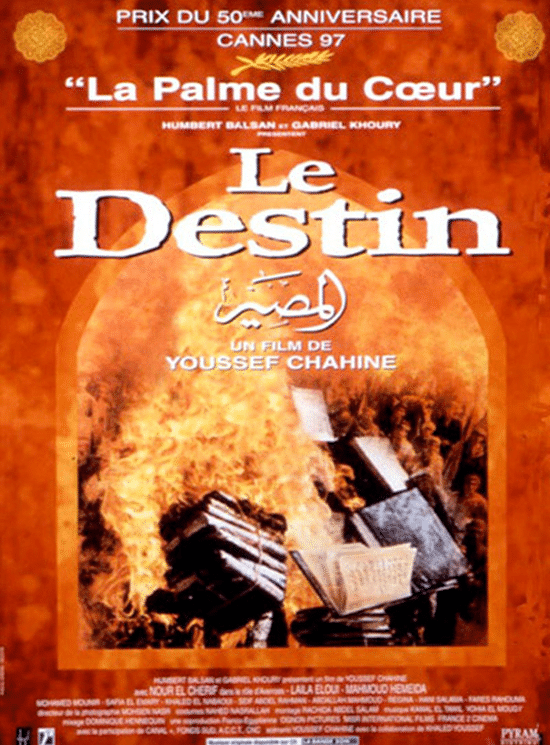
January 24 features a double screening of Youssef Chahine’s most emblematic works. The Destiny revisits the life of the philosopher Averroes, depicting how Caliph Al-Mansur orders the burning of his writings to appease fundamentalists, only for his disciples to secretly copy and carry his ideas across borders to preserve his thoughts. The evening continues with The Immigrant, which follows an idealistic young desert dweller who sets out on a journey of discovery in Egypt.
A Bold Finale on Power and Injustice
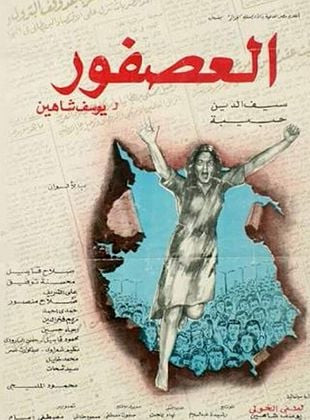
The programme wraps up on January 25 with a panel titled Youssef Chahine and Me: Unpublished Testimonies & Encounters. The day continues with a double screening, beginning with The Land, set during Egypt’s British-backed monarchy, where a group of peasants attempt to rise up against injustice. The closing film, The Sparrow, follows Raouf, the son of a law enforcement officer, whose pursuit of smugglers leads him to powerful figures complicit in orchestrating war.
The programme offers a nuanced tribute to Youssef Chahine’s centenary, reaffirming his enduring relevance as a filmmaker who fearlessly interrogated power, identity, and society. The programme not only celebrates his cinematic legacy but also invites new generations to rediscover the timeless questions at the heart of his work.
We Said This: Don’t Miss… Cinema Radio To Host “El Sett” Themed Art Exhibition