


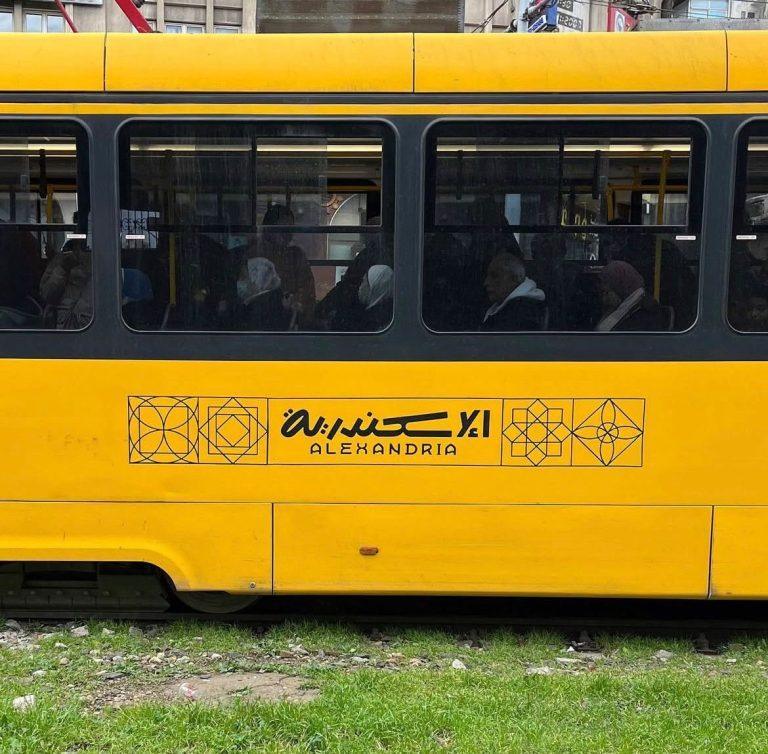
Alexandria’s tram has been part of city life for generations, a quiet presence threading through streets and memories alike. Now, with reports from Cairo 24 and Shorouk News noting that the Raml tram will be temporarily suspended starting December 27 for intensive construction work, conversations around it are turning once again to its history and its stories, not as a project, but as something they’ve grown up with and lived alongside for generations.

A City That Learned to Move in 1863
The tram first appeared in Alexandria in 1863, when the city was still finding its modern rhythm. The earliest carriages were pulled by horses, quietly running from the Cleopatra Obelisk station—today’s Raml Station—to Bulkeley. A ticket cost just 2 milliemes, and the ride marked the start of a new way for the city to move.
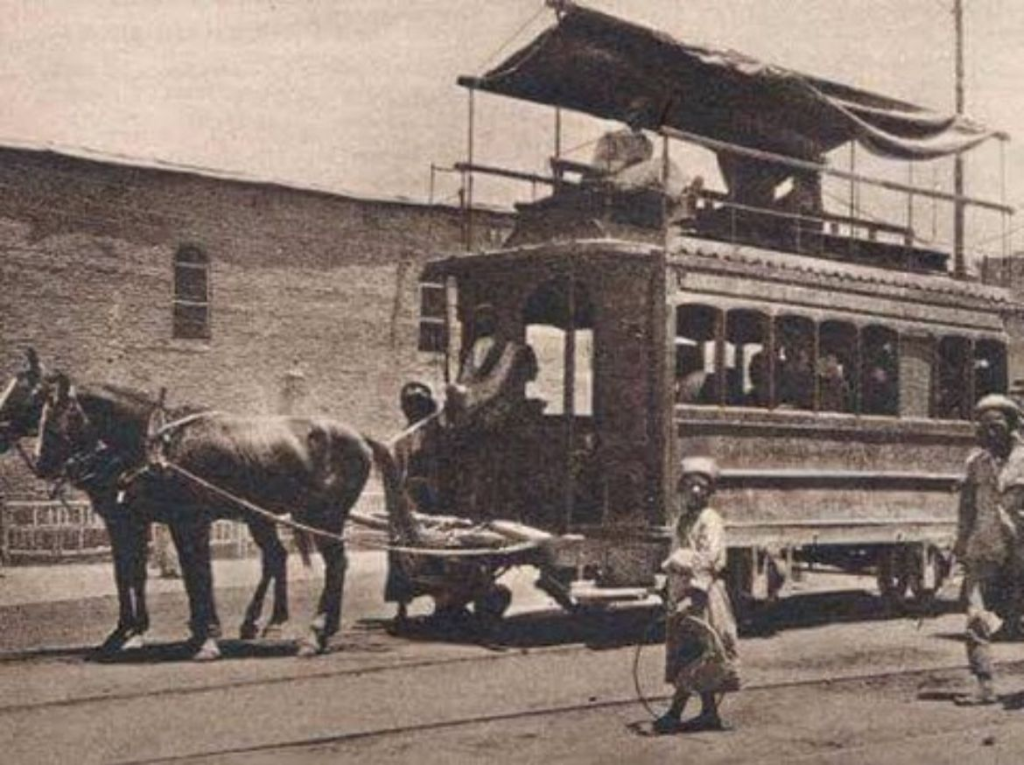
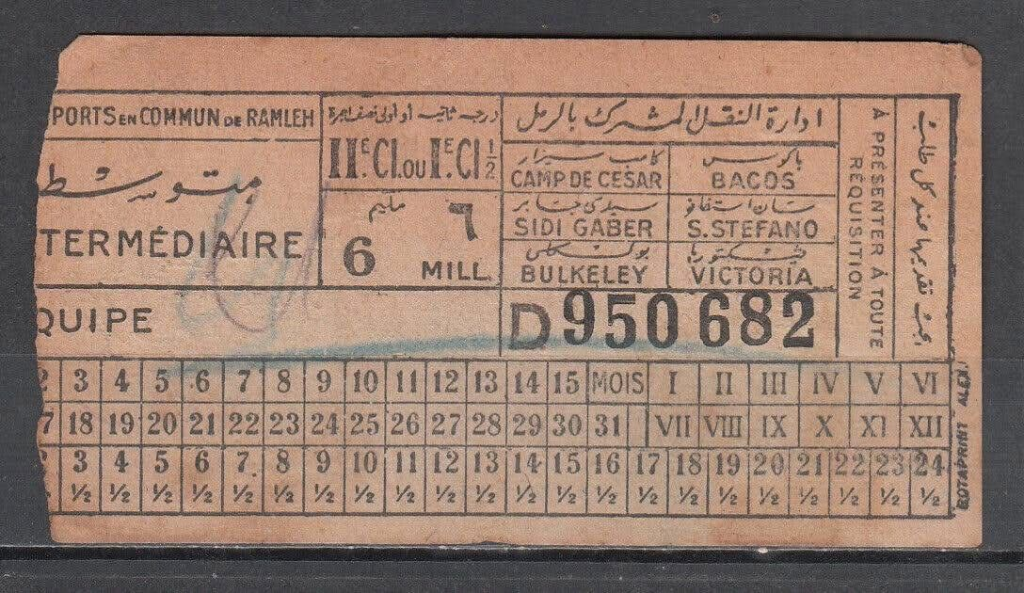
Soon enough, the tram changed with the times. Horses gave way to steam, steam to electricity, and eventually to air-conditioned cars. Each upgrade reflected Alexandria itself, while the ride remained familiar to anyone who climbed aboard.
An Ordinary Ride, a Global Rarity
Today, the Alexandria tram carries distinctions that most people experience without thinking. It’s the oldest tram system in Egypt and Africa, and one of the oldest still running in the world. It’s also the only tram system in Egypt—and the third globally after Liverpool and Hong Kong—to run double-decker carriages. For locals, these are facts lived every day, not headlines.
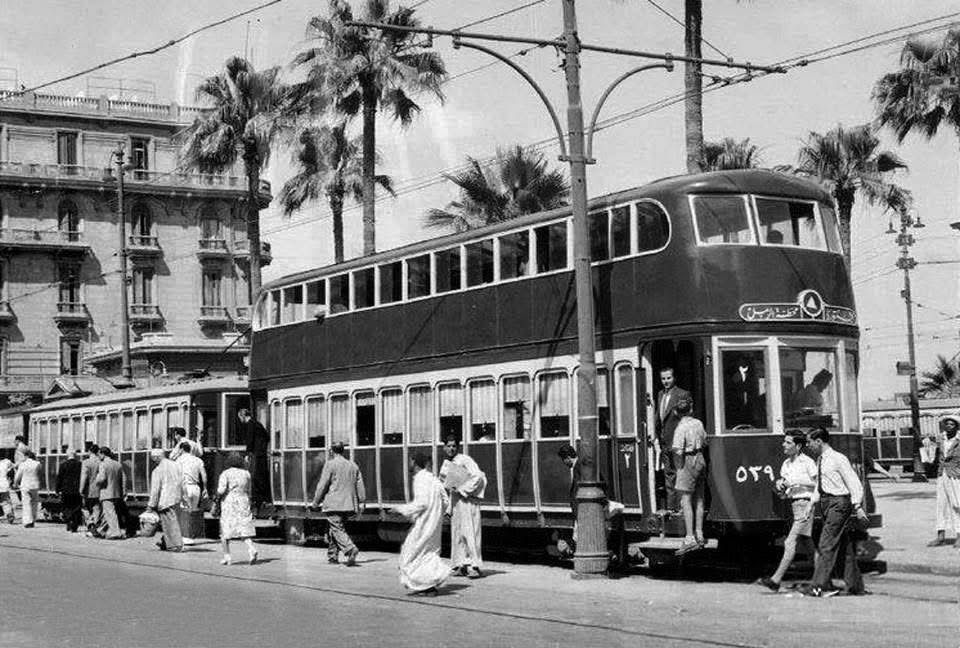
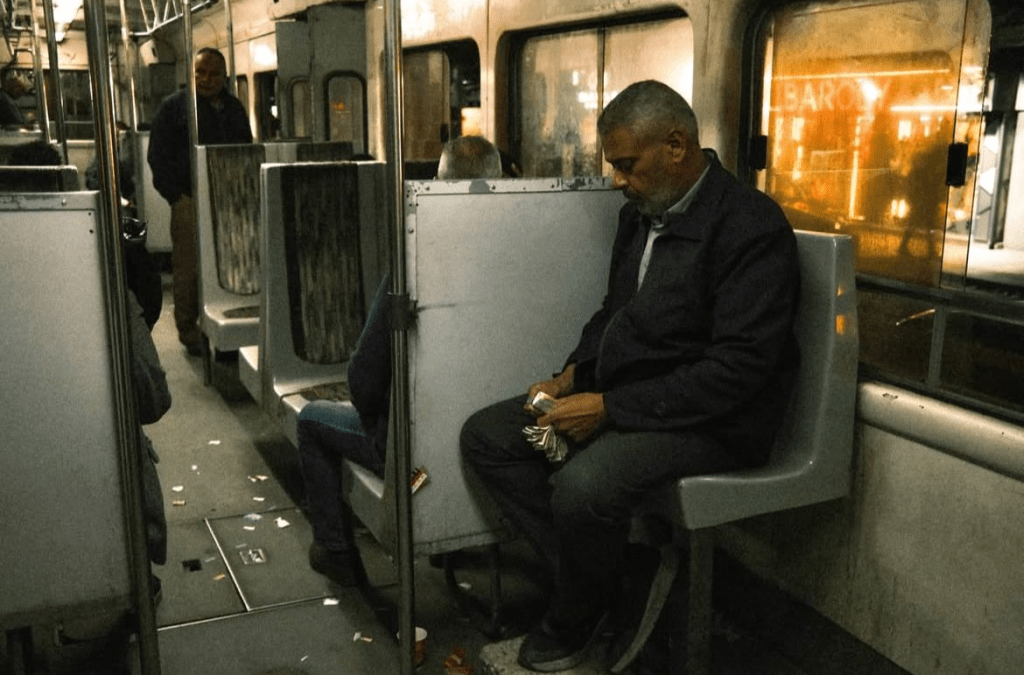
Even the famous blue English tram from the 1930s is still part of daily life, carrying students, workers, daydreamers, and tourists all at once.

A City Once Sent by Postcard
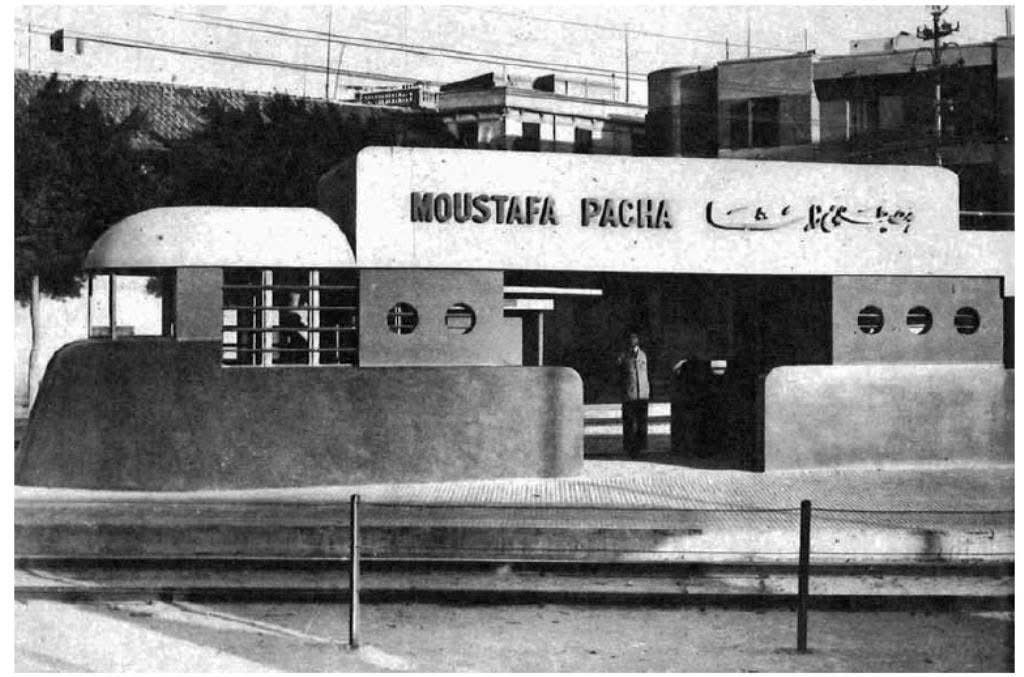
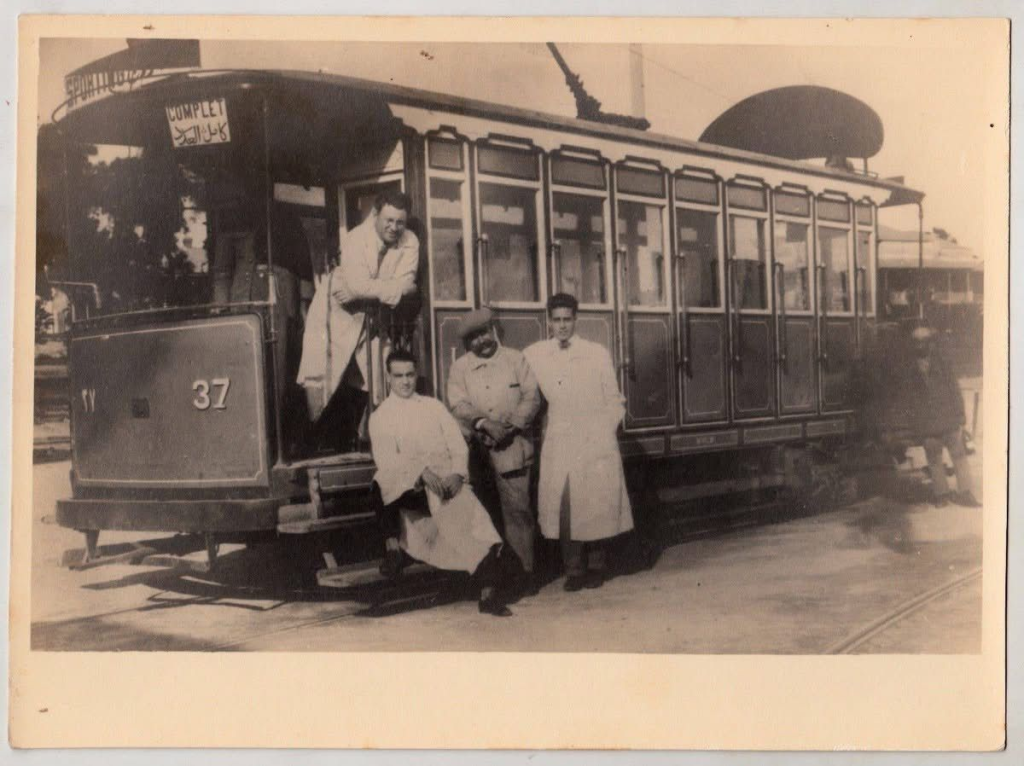
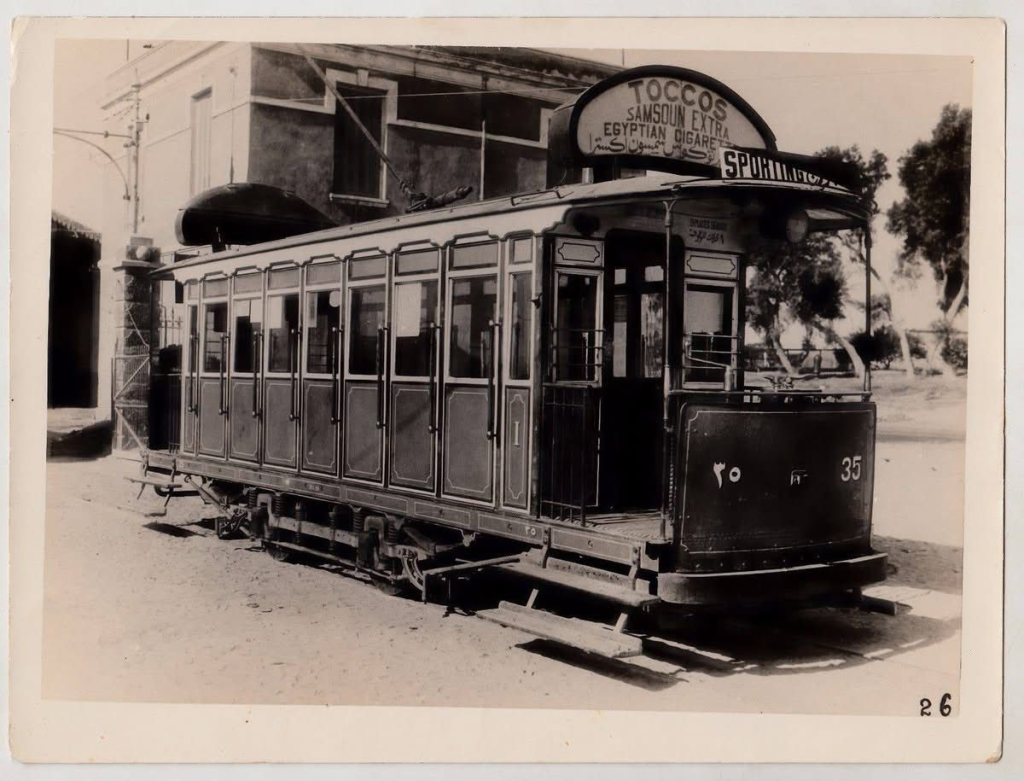
Back in the late 19th and early 20th centuries, the city was changing fast, and the tram often showed it best. With 12 stations in the network, tram stops were common subjects on postcards sent abroad by foreigners visiting Alexandria. Each card captured a moment: people waiting, rails stretching forward, a city confident enough to document itself in motion.
Life at Tram Speed
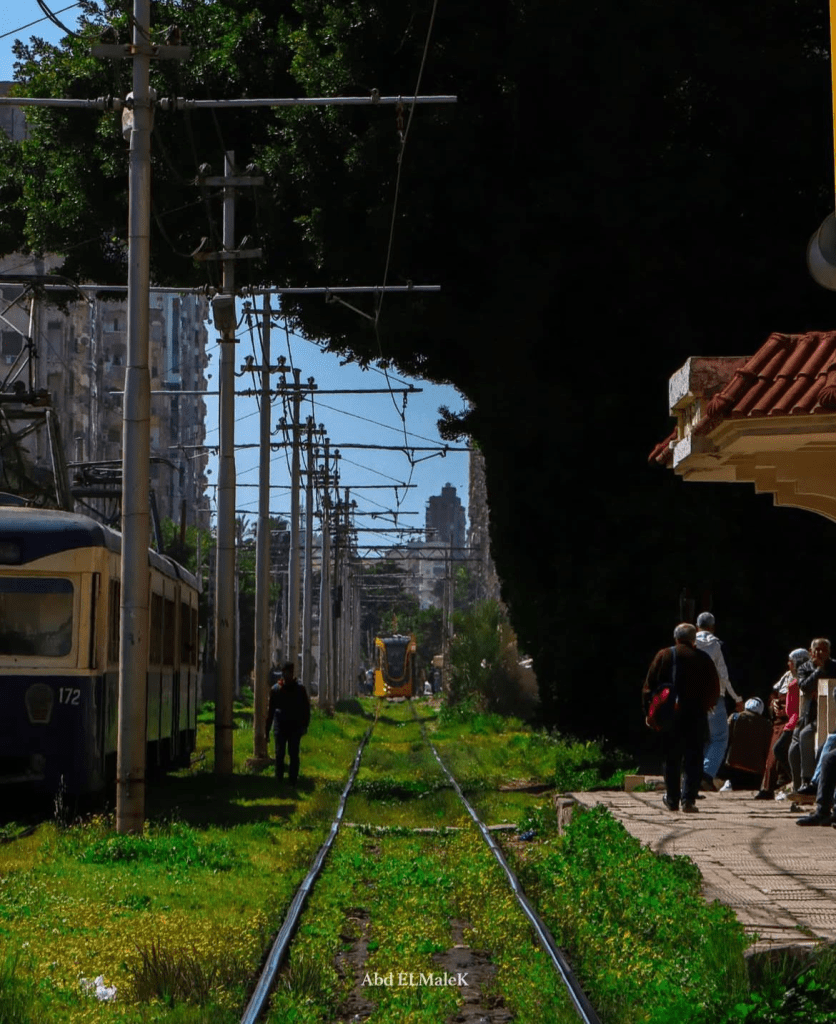
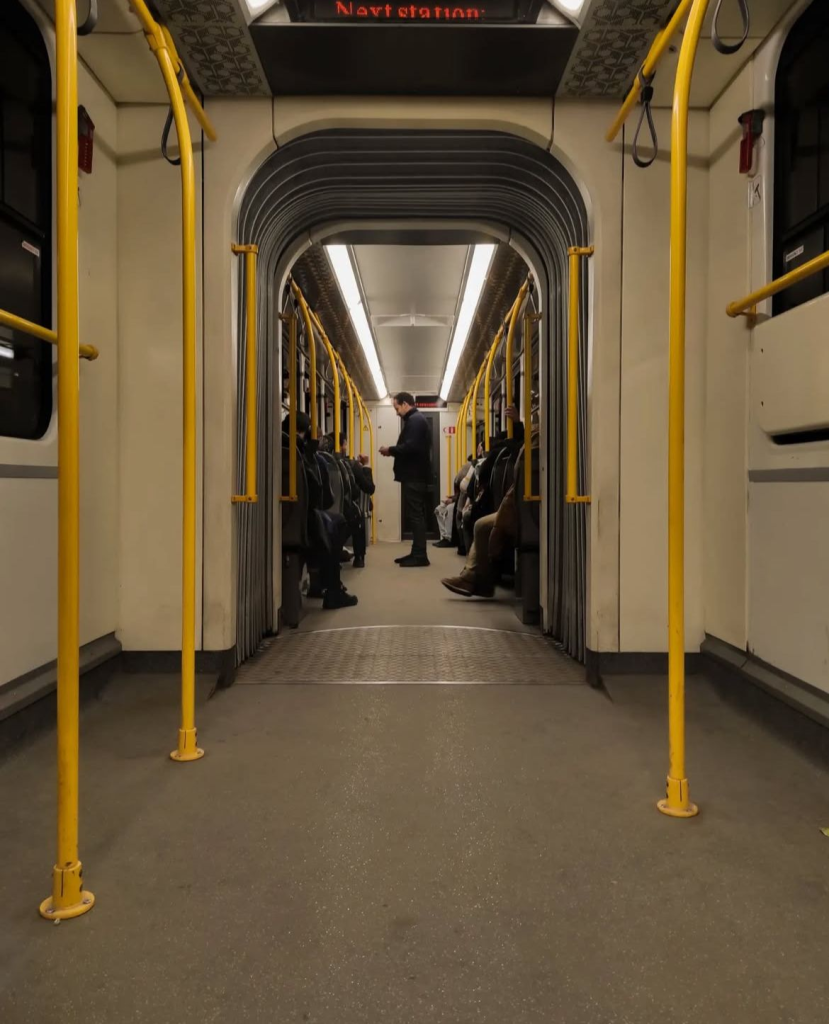
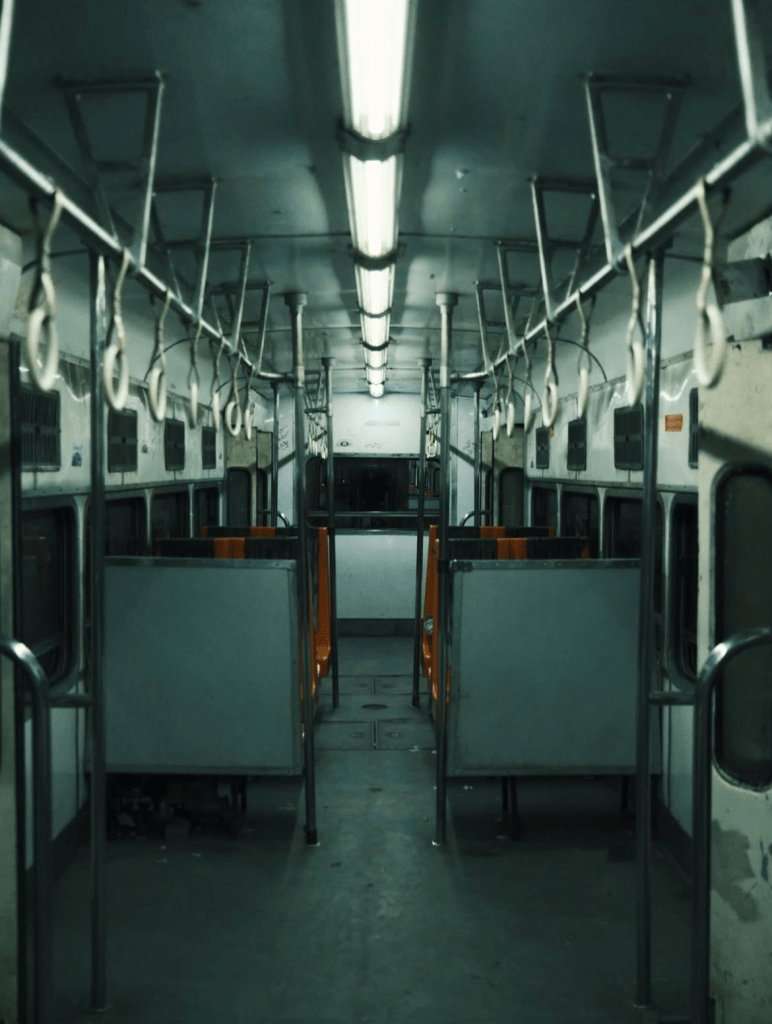
The tram moves slowly, just enough for life to happen around it. Greenery peeks along the tracks, buildings reveal their age without apology, and the city passes by in layers instead of rushing past. Conversations stretch longer than planned, and missed stops aren’t disasters. Sometimes missing the tram just means walking alongside it to the next station, unbothered.
What Stays With You
Over the years, the tram collects little moments that stick with you. Waiting at the station with friends, drifting between conversation and silence. Taking the wrong line and deciding it’s fine. Keeping a ticket from a day you want to remember. Greeting the familiar ticket collector—elkomthary—whose face you recognize from years of daily rides. Watching the city slip by and feeling, for a moment, like the main character.

Still Moving
Renovation plans may change the way the tram runs for a while, but they don’t stop its bigger story. The Alexandria tram has always adapted quietly, moving through the city as it grows around it.

Conclusion
For Alexandrians, the tram isn’t just transport. It’s memory in motion—steady, familiar, and part of the city’s rhythm. Routes may shift, carriages may change, but the feeling of the ride stays the same: Alexandria, passing by at just the right speed.
WE SAID THIS: Don’t Miss…How Modern Infrastructure Safeguards the Heritage of Alexandria’s Raml Tram