


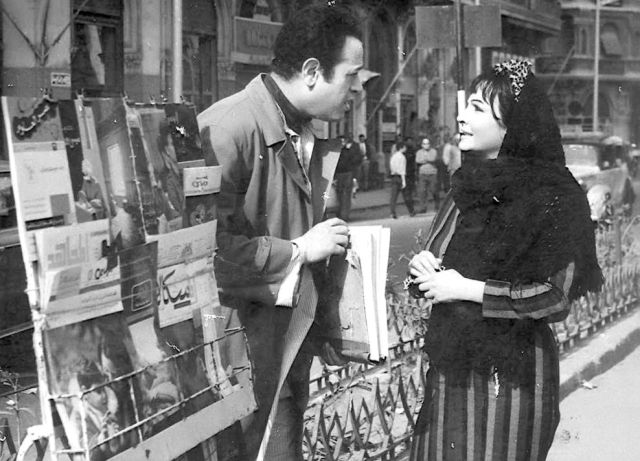
Alexandria has never been just a place on the map. In literature, it’s a mood, a memory, a temptation, and sometimes a crime scene. Writers return to it again and again because the city keeps changing masks—cosmopolitan, revolutionary, nostalgic, decadent, sacred, corrupt. The following works don’t simply describe Alexandria; they argue with it, love it, mourn it, and occasionally poke fun at it.
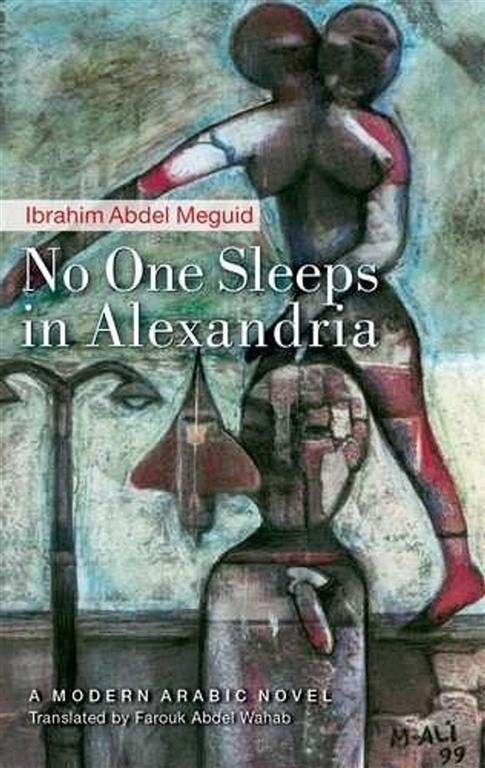
No One Sleeps in Alexandria — Ibrahim Abdel Meguid
In No One Sleeps in Alexandria, Ibrahim Abdel Meguid plunges readers into the city during World War II, capturing Alexandria as a restless, living character. The streets hum with uncertainty, cafés buzz with gossip, and ordinary people—lovers, soldiers, shopkeepers, and students—navigate a city caught between foreign armies and local anxieties.
Abdel Meguid shows how these small, personal struggles reflect the larger transformations of the city itself. While this novel is the first part of his larger Alexandria Trilogy, which later explores the Suez Crisis and the changes of the 1970s, No One Sleeps in Alexandria stands on its own as a vivid, intimate portrait of Alexandria in wartime.
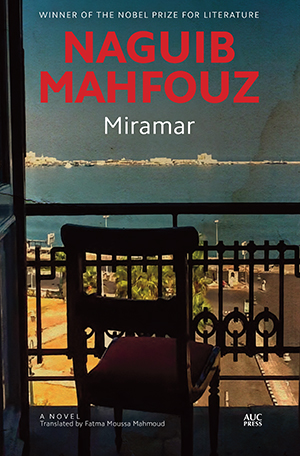
Miramar — Naguib Mahfouz
In Miramar, Alexandria is captured in microcosm inside a boarding house near Raml Station. Residents like the retired journalist Amer Wagdy, the heartbroken Hosni Allam, the cautious communist Mansour Bahi, and the runaway Zahra collide under one roof, each with their own desires, fears, and regrets.
The story unfolds through multiple points of view, showing how the July Revolution’s socialist decrees ripple through ordinary lives. Mahfouz exposes tensions between idealism and compromise, love and pragmatism. Even a quiet pension becomes a stage for Alexandria’s social and political fractures, revealing the city as a place where everyone struggles to carve a personal space amid chaos.
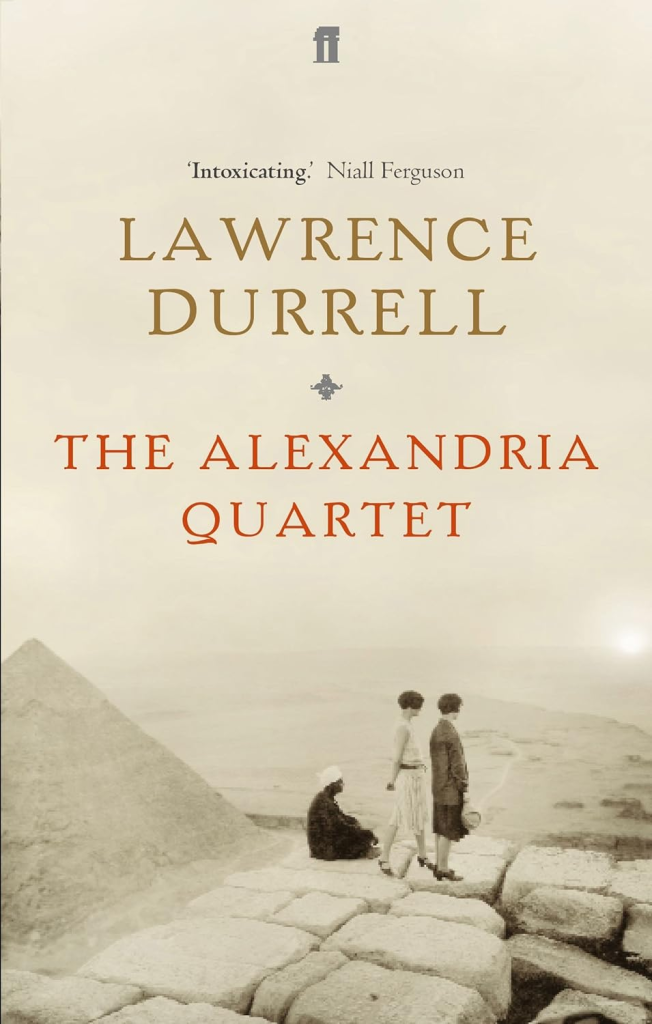
The Alexandria Quartet — Lawrence Durrell
Lawrence Durrell’s Alexandria Quartet—Justine, Balthazar, Mountolive, and Clea—turns Alexandria in the 1940s into a playground of love, obsession, and intrigue. At the center is L.G. Darley, a writer and eternal observer, trying to make sense of the passions, betrayals, and mysteries swirling around him.
In Justine, Darley wrestles with the aftermath of a torrid affair, watching the woman he loved through a haze of longing and jealousy. Balthazar revisits the same events, but with a more philosophical and analytical eye, teasing out the politics, secrets, and moral complexity hidden beneath the surface. Mountolive steps back even further, focusing on political intrigue, diplomacy, and the city’s larger dramas with little personal interpretation. Finally, Clea follows Darley as he begins to heal, to love again, and to find a kind of peace amid the turbulence of war-touched Alexandria.
Through it all, the city itself pulses like a living, breathing character—sun-drenched streets, decadent cafés, shadowy alleys, and every whispered secret—and nothing in Alexandria, or in Darley’s heart, stays still for long.
Out of Egypt — André Aciman
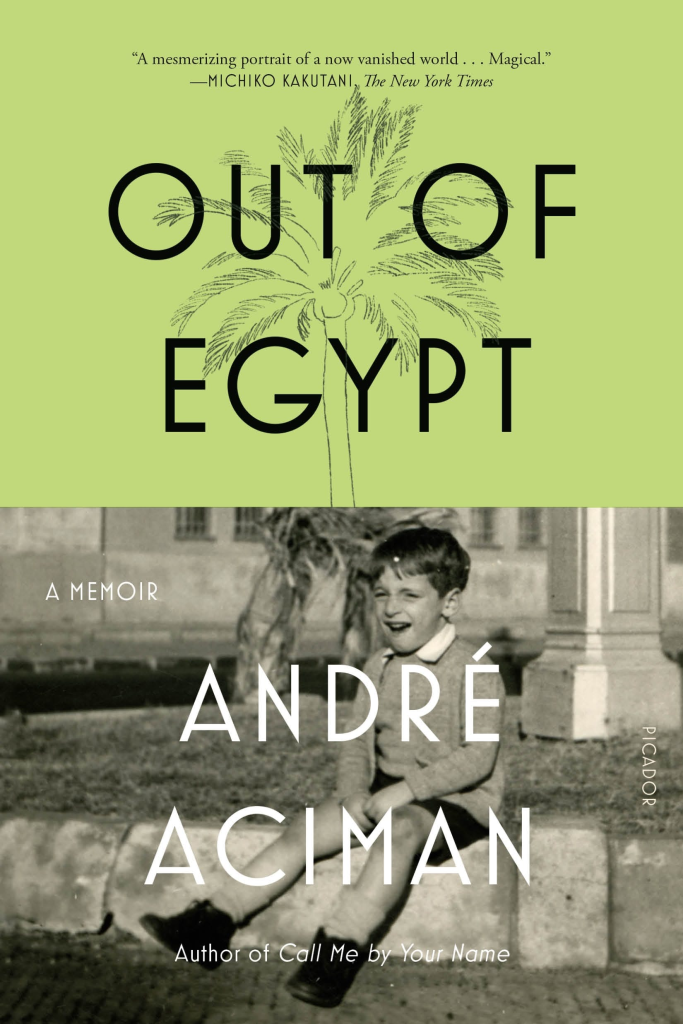
Aciman’s memoir is a personal, affectionate portrait of Alexandria through the eyes of a young boy in a flamboyant Jewish family. The family’s life spans eccentric uncles, multilingual gossiping grandmothers, and daring aunts, all inhabiting a city alive with cosmopolitan energy.
The story follows their arrival in Alexandria, daily joys, and ultimately the heartbreak of forced exile. Through humor, warmth, and nostalgia, Aciman captures a city where cultural boundaries are fluid, but political events can sever lives forever, leaving memory as the only home.
Alexandria — Lindsey Davis
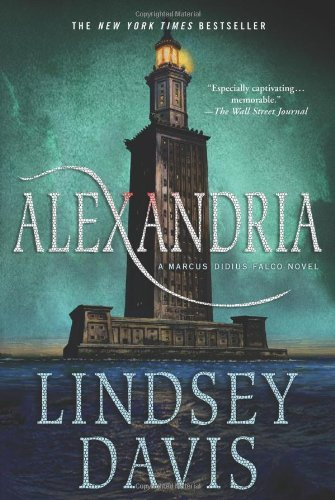
Even ancient Alexandria gets its literary spotlight. In Lindsey Davis’s Roman-era mystery, detective Marcus Didius Falco travels to the city with his wife and family in A.D. 77, ostensibly for sightseeing. But the discovery of the Librarian Theon dead in a locked room pulls him into intrigue, theft, and deadly rivalries in the great Library.
Between a man-eating crocodile, classroom dissections, and a dinner party gone wrong, Davis paints Alexandria as chaotic, lively, and historically rich. The city feels like a character itself: unpredictable, complicated, and full of secrets waiting to be uncovered.
Conclusion: One City, Endless Versions
Across centuries, genres, and perspectives, Alexandria refuses to settle into a single identity. It is cosmopolitan and lonely, decadent and revolutionary, seductive and morally complicated. In each work, Alexandria shapes the people who inhabit it. One lesson emerges clearly: you don’t visit Alexandria and leave unchanged. The city always gets the last word.
Falling for Alexandria, One Scene at a Time: 7 Picks That Capture the City’s Soul