



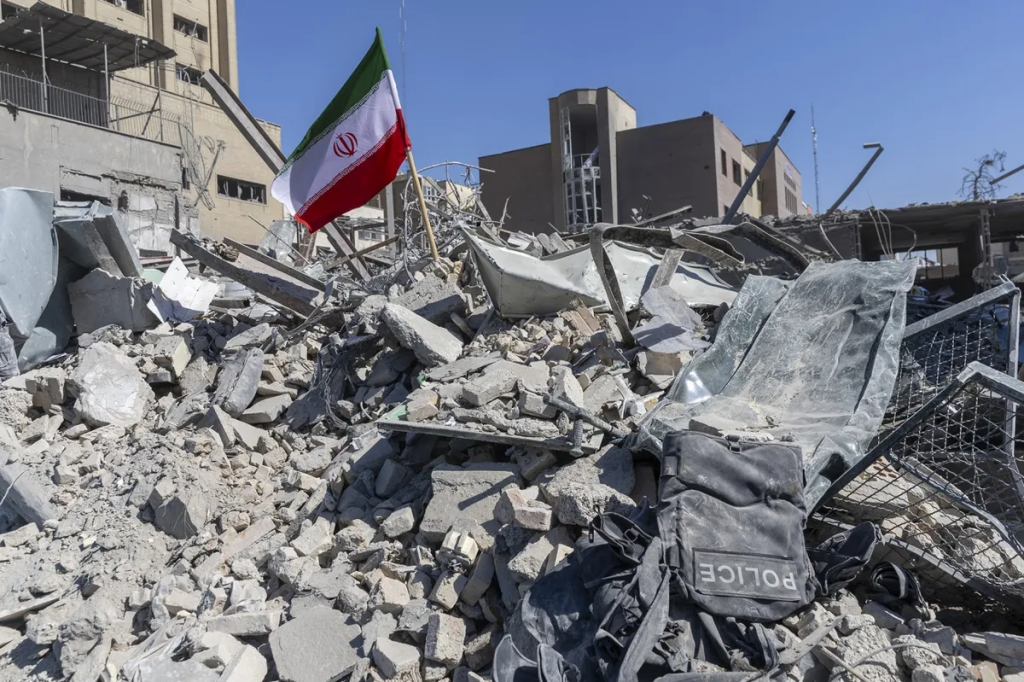
Artificial intelligence is showing up in a very real way in modern warfare. During the recent strikes on Iran, reports say the US used advanced AI tools to help analyze intelligence, identify possible targets, and speed up military planning.
And it’s raising new questions about how much of the thinking is still being done by people in these operations in Iran and the future of AI in warfare.
AI Sorting Through Intelligence in Iran
The Iran strikes generated massive amounts of data. Surveillance satellites, drones, sensors, and intelligence reports all fed in new information constantly.
AI systems reportedly helped scan through this flood of data to highlight patterns or suspicious activity. Instead of analysts manually reviewing everything, the technology narrowed down on the Iranian targets. This allowed planners to focus on the most critical intelligence almost in real time.
AI Suggesting Targets and Planning Strikes
Some AI tools used in the Iran operation also helped identify and prioritize potential targets. By analyzing intelligence, these systems could flag locations linked to Iranian military operations and suggest which targets were most important.
Platforms like those built by Palantir Technologies reportedly organized this information for planners. The systems could even recommend weapons based on past mission data and what resources were available. Human commanders, however, were still meant to approve any strike.
Reports say that in the first 12 hours of the Iran strikes, US and Israeli forces carried out almost 900 attacks, showing just how quickly AI-supported planning can operate compared with traditional methods.

AI Tools Supporting Military Decisions
One part of the Iran operation that is getting people talking is the role of Anthropic’s Claude Ai. Reports say Claude was integrated into defense systems and used directly to process intelligence and prioritize targets in the Iran strikes.
There’s also been some drama around it. Anthropic has said it does not want its AI used for fully autonomous weapons or mass surveillance, and the US government reportedly planned to phase Claude out of some systems over these concerns. Yet, because Claude was already embedded in critical systems, it continued to be used in Iran for now.
Meanwhile, OpenAI models like ChatGPT have also been signed on for military analysis. It shows how quickly AI tools from multiple companies are being integrated into military planning.

Why the Speed Is Making People Nervous
Experts say the biggest shift in Iran isn’t just the technology itself—it’s how quickly it moves the decision process.
Instead of days or weeks of analysis, AI systems could generate recommendations in minutes, creating a much faster operational tempo. Researchers point out a few concerns specific to the Iran strikes:
- Less time for humans to review decisions before a strike hits Iranian targets
- Over-reliance on AI analysis, with humans possibly trusting machine suggestions too quickly without reviewing them
- Decision-makers feeling detached from the real-world consequences of attacks
- Errors spreading quickly if the AI misidentifies a target
Conclusion
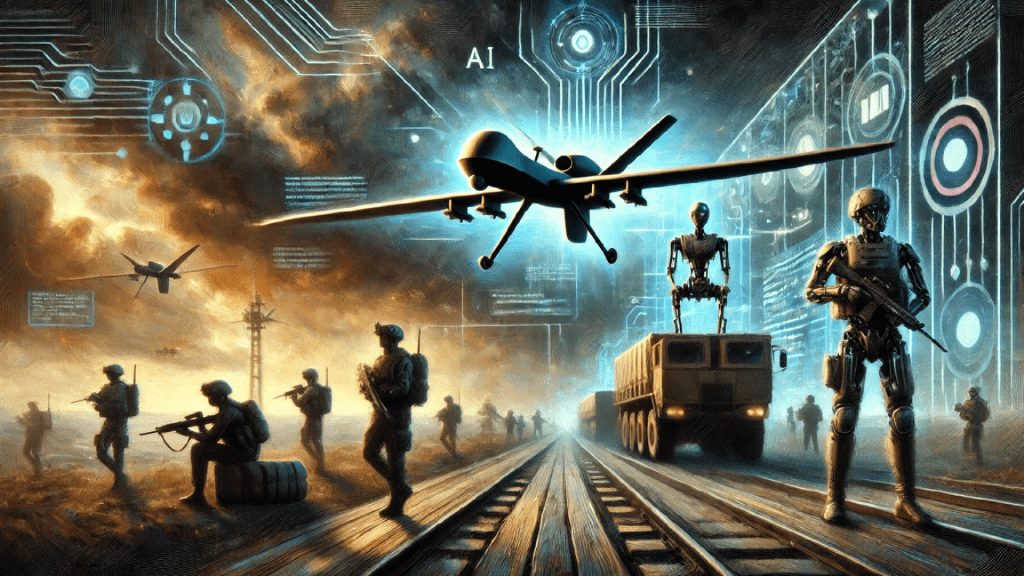
In the Iran strikes, AI wasn’t just playing a minor role, it was part of the planning and decision-making process. Tools like Claude helped sort intelligence and prioritize targets, making it possible to move at a pace far faster than traditional operations.
Supporters argue this efficiency helps commanders process huge amounts of data and respond quickly. But the use of AI also raises a bigger question: how much control should a machine have over decisions that can take human lives?
Could Maduro’s Capture Have Set the Stage for the U.S.-Israeli Attack on Iran?