


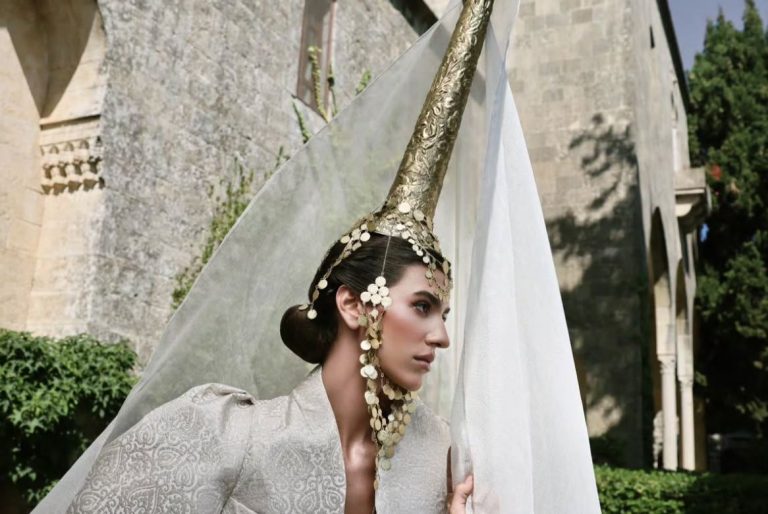
Imagine a cone-shaped crown, shimmering with gold and jewels, balanced atop a woman’s head, a long veil cascading down her back. That’s the tantour—Lebanon’s iconic headdress that has dazzled the world for centuries. But it’s more than a fashion accessory—it’s a story of nobility, culture, and a bit of theatrical flair.
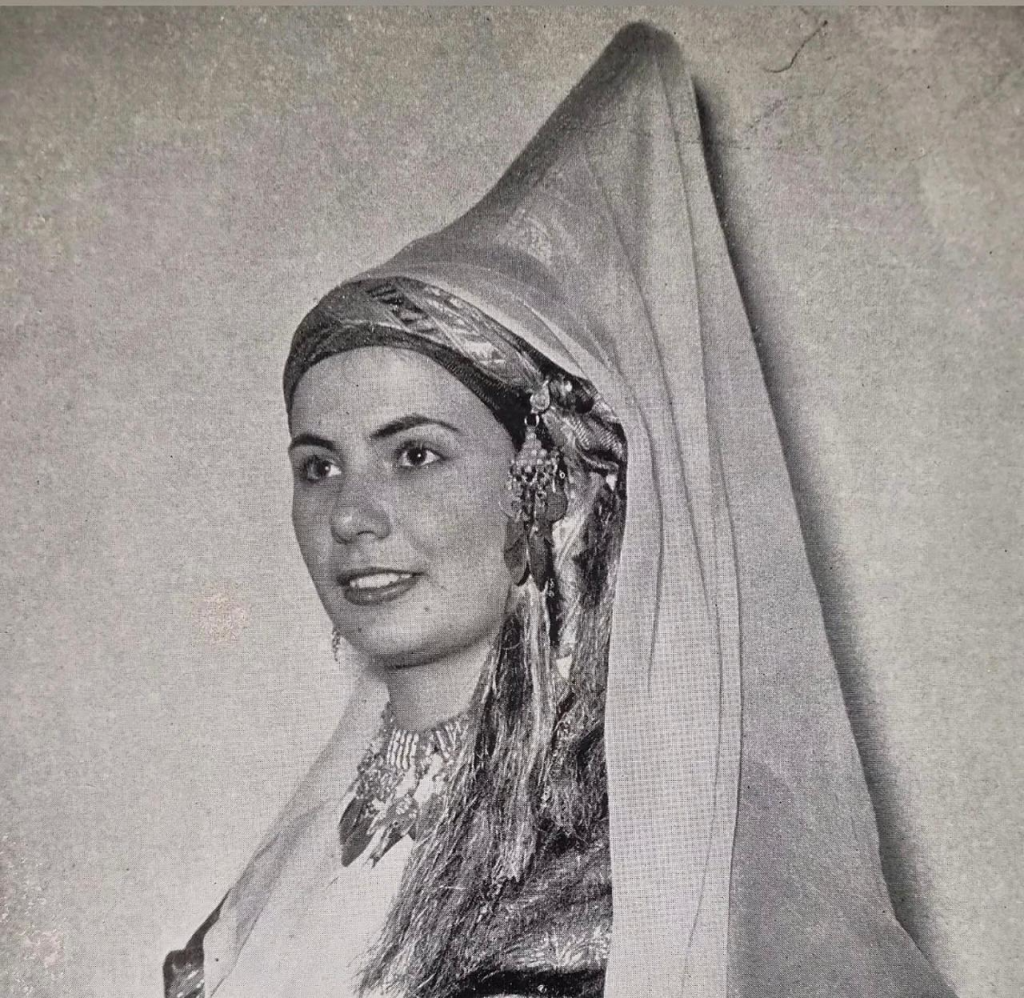
A Crown for Princesses
Long ago, in the mountains of Lebanon, the tantour was reserved for the elite. Princesses and noblewomen wore it to stand out—literally. Princess Khassikiya, wife of Emir Fakhr al-Din II, was said to wear hers day and night, so tall and heavy that she had to move her bed away from the wall to sleep!
Travelers like David Urquhart described young women standing on rocks, their towering tantours announcing their noble lineage. Bou Tannous noted that royal tantours were gold, encrusted with jewels, while commoner versions were silver or copper, often shaped like an ibex horn.
Druze and Maronite Traditions
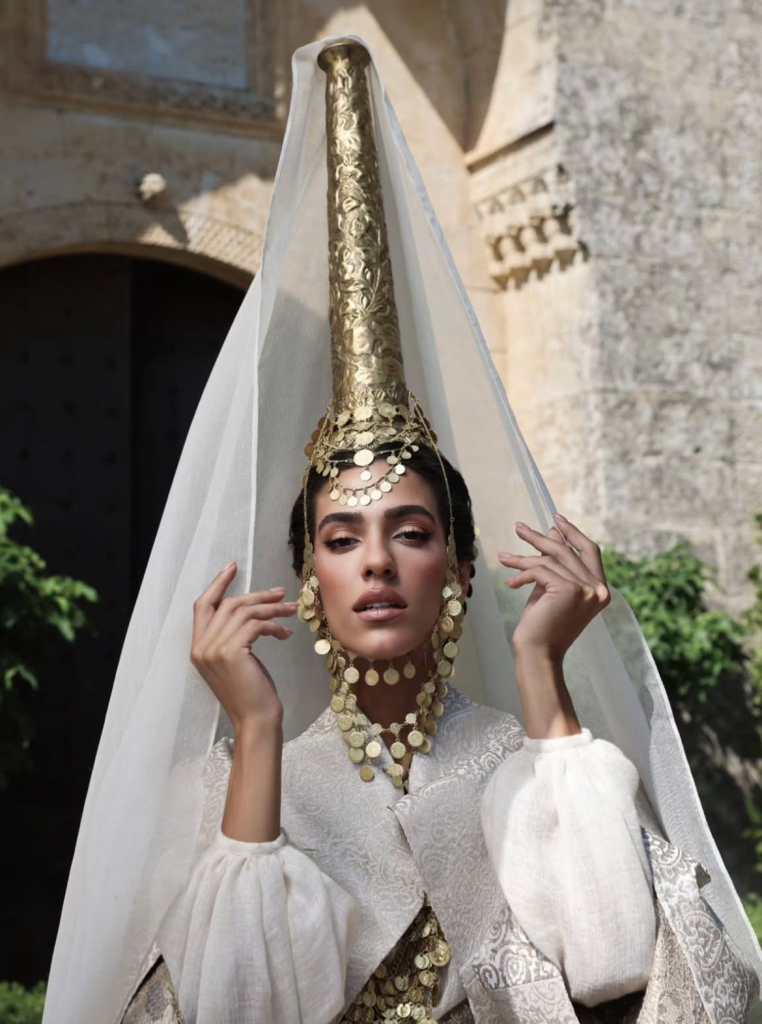
The headdress was particularly popular among Maronite and Druze women in Mount Lebanon and western Syria. The taller and more ornate the tantour, the wealthier the wearer. It was not just decoration—it was a symbol of honor, marital status, and pride. Often, a husband gifted it to his bride on their wedding day, and women rarely removed it—even for sleep or illness. Some reports say it was sold after a woman’s death to pay for her funeral, ensuring its value lasted beyond her lifetime.
Where Did the Tantour Come From?
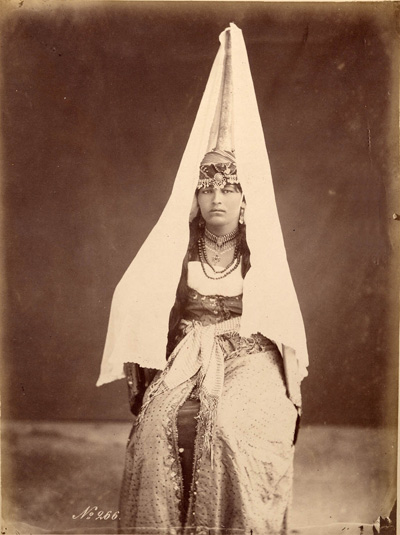
The origins of the tantour are a little mysterious—like a fashion treasure hunt through history. Some historians think it may have traveled with the Crusaders, who brought cone-shaped headdresses to Europe.
Others see echoes of the tantour in the tales of One Thousand and One Nights, hinting it could be even older. Archaeologists have found Greco-Roman reliefs in Lebanon showing women wearing cone-like headdresses long before the Crusades.Even the Mongols of the 13th century had something similar perched on their heads!
Over time, it’s possible that the Lebanese tantour inspired Europe’s famous hennin—the elegant, pointy hats worn by noblewomen in France and Italy during the 15th century. In short: no one knows exactly where it began, but it’s clear that the tantour is part of a long tradition of women proudly wearing tall, dramatic crowns—each with its own story to tell.
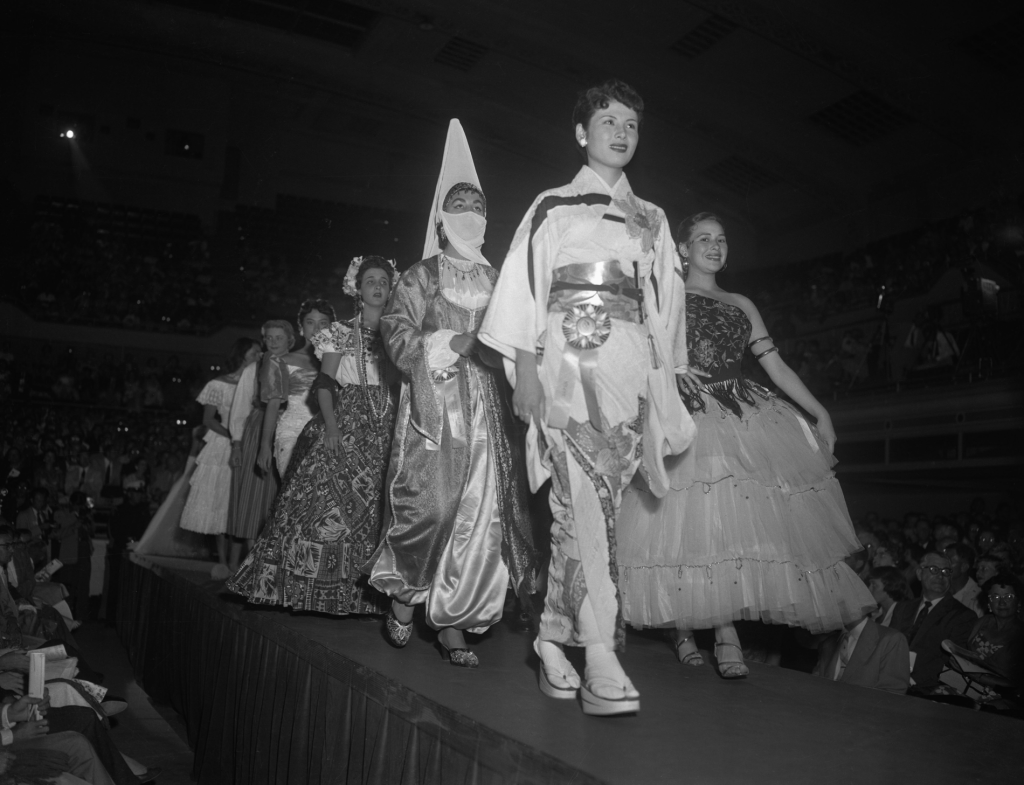
The Height of Popularity
The early 19th century was the tantour’s golden era. Some reached up to 75 cm (30 inches), made of gold and lavishly decorated with diamonds, pearls, and other gems. Young girls of noble birth sometimes wore it, but mostly it was a married woman’s crown. By the mid-1800s, it began to fade, expensive and impractical, though the Druze community kept the tradition alive for a bit longer.
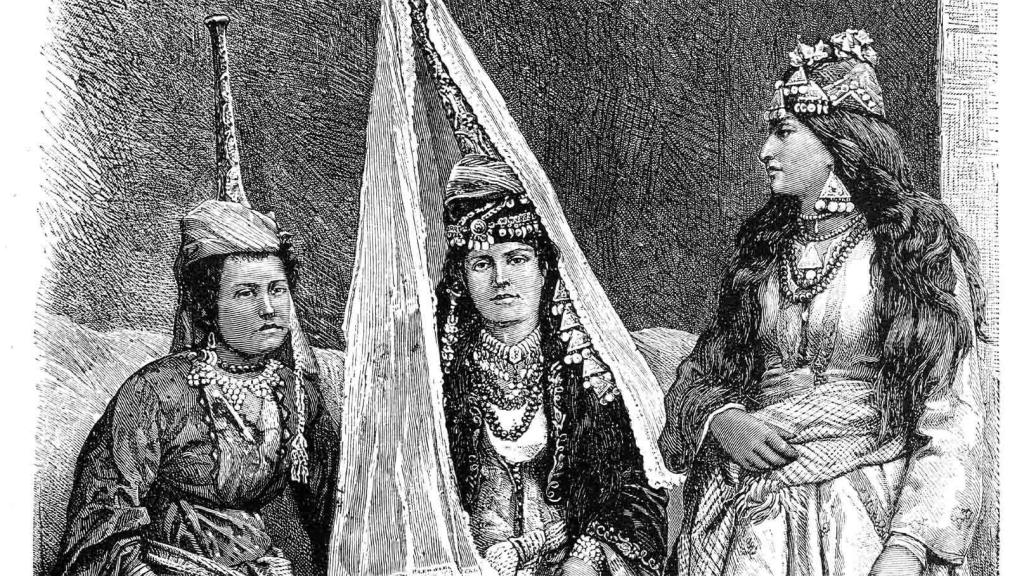
Revival on Stage
The 20th century gave the tantour a theatrical rebirth. Romeo Lahoud brought it to Lebanese musicals, with his sister Babo Lahoud Saadeh crafting jeweled versions. Iconic singer Sabah wore it at the Baalbeck Festival in 1963. The stage made the ancient headdress shine again, reminding everyone that this was more than history—it was art.
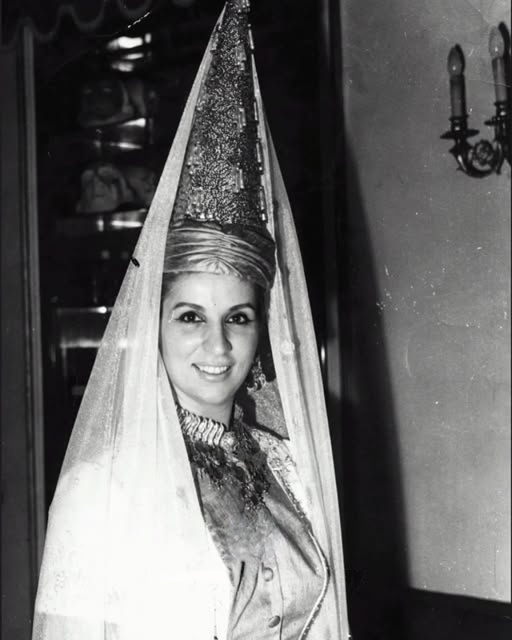
From Tradition to Global Spotlight
Fast forward to 2024: Nada Koussa wore the tantour at the Miss Universe pageant, styled by Lebanese designer Joe Challita. The towering cone and flowing veil captured global attention, showing that Lebanese culture and fashion history still sparkle on the world stage.
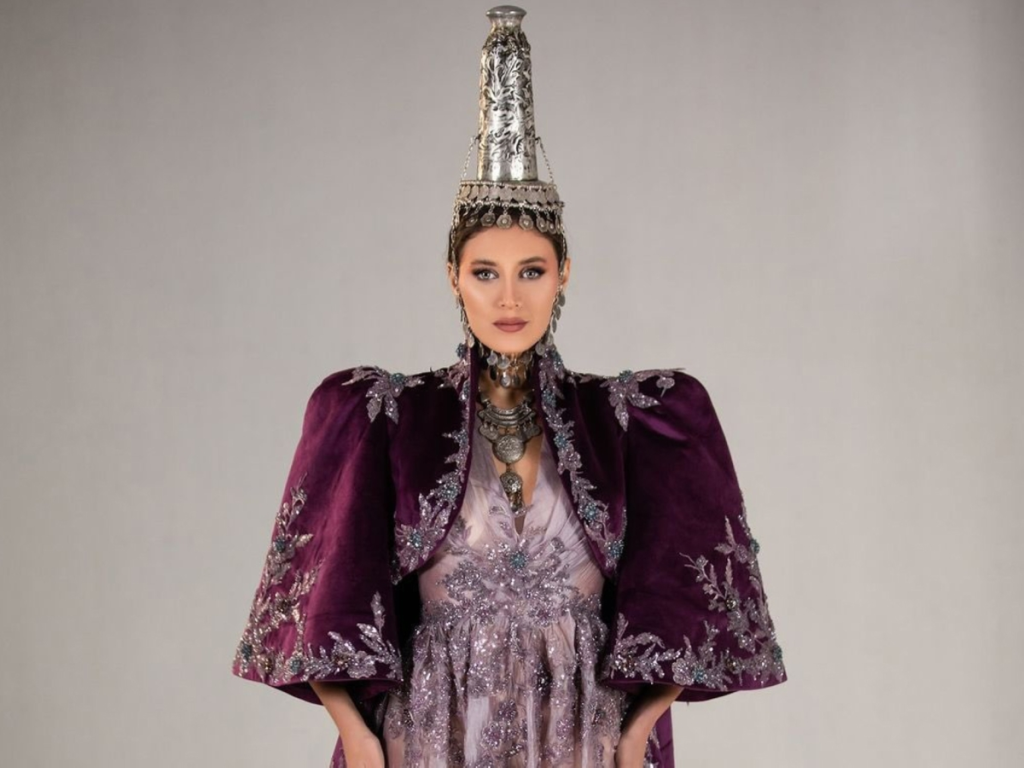
Why the Tantour Matters
The tantour isn’t just a hat—it’s a story of women, nobility, tradition, and pride. It’s a connection between past and present, between mountains and pageants, between history books and jewels on a stage. And even if you’ll never wear one yourself, imagining it is enough to feel its magic.
WE SAID THIS: Don’t Miss…From Silver Screen to Survival: The Story of Lebanon’s Old Cinemas