



Before the theme songs start looping and family debates over “what are we watching tonight?” officially begin, this Ramadan season is already giving us something worth paying attention to. A noticeable number of upcoming series are written and directed by women and they’re not here to play it safe.
These stories dig into ambition, fractured families, emotional burnout, and the quiet violence of social expectations. They’re dramatic, yes, but also sharp, self-aware, and deeply human.
Here’s a look at some of the women-led series shaping the conversation before the season even starts.
Rana Abu Rish (Writer)
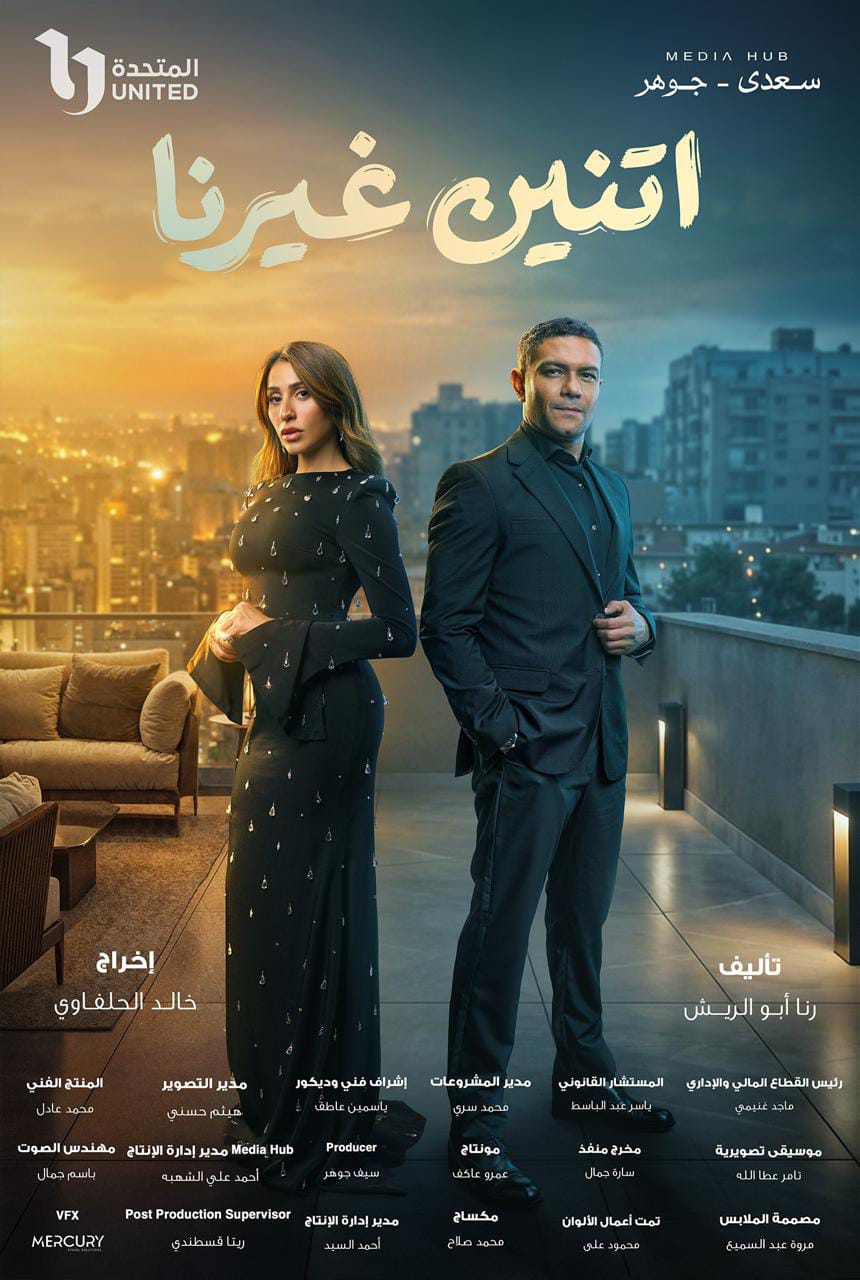
Etnen Gherna
Etnen Gherna moves in quieter, more intimate territory. A sports coach living in isolation, shaped by unresolved relationships, crosses paths with a famous actress navigating her own unraveling. Their encounter becomes a turning point in a mutual reckoning.
Rana Abu Al-Reesh writes romance without illusion, focusing on emotional fatigue, vulnerability, and the tentative hope that emerges when two fractured lives briefly align.

Sherine Diab (Writer)
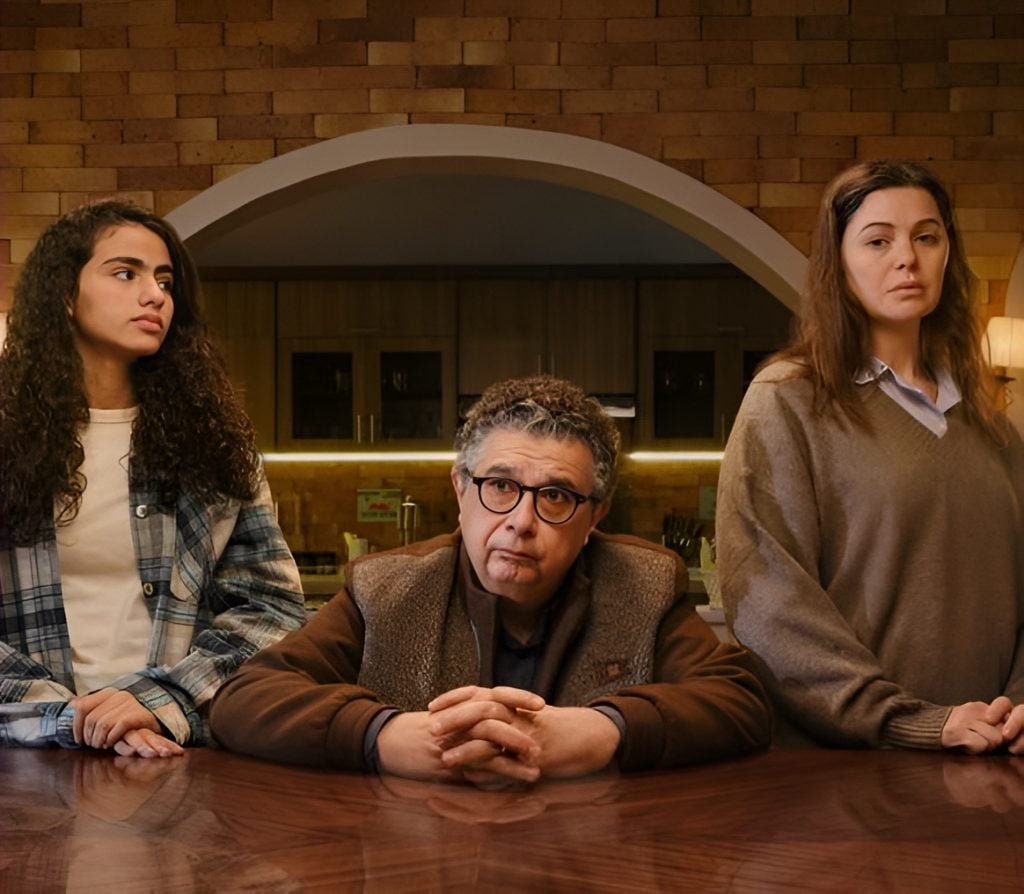
Kan Ya Makan
After fifteen years of emotional stagnation, a wife decides to leave her marriage in search of a life that feels fully her own. What follows is not liberation without consequence, but an escalating conflict shaped by jealousy, new relationships, and an unforgiving custody battle.
Kan Ya Makan dismantles the fantasy of “starting over,” exposing how personal reinvention often collides with social expectations and parental responsibility, especially when a child is forced to live inside the fallout.
Yasmine Ahmed Kamel (Writer & Director)
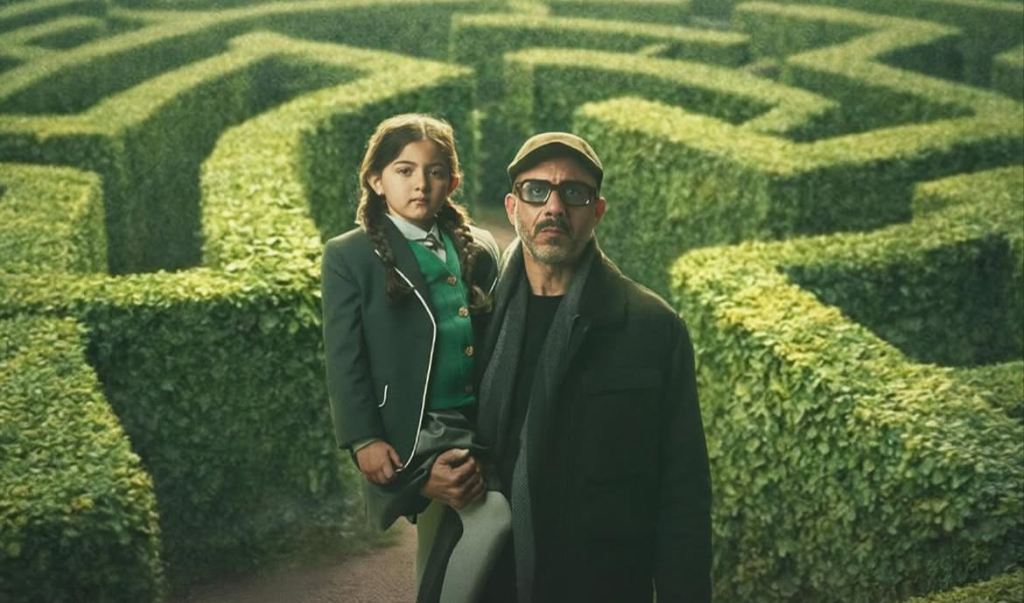
Ab Wa Laken
This series places fatherhood under a harsh legal lens. A stable family life unravels, pushing a devoted father into the rigid framework of family courts and visitation laws that reduce parental presence to scheduled minutes.
Ab Wa Laken explores the emotional dissonance between legal justice and lived experience, capturing the psychological toll of being present in name, but absent in practice.
Maya Zaki (Director)
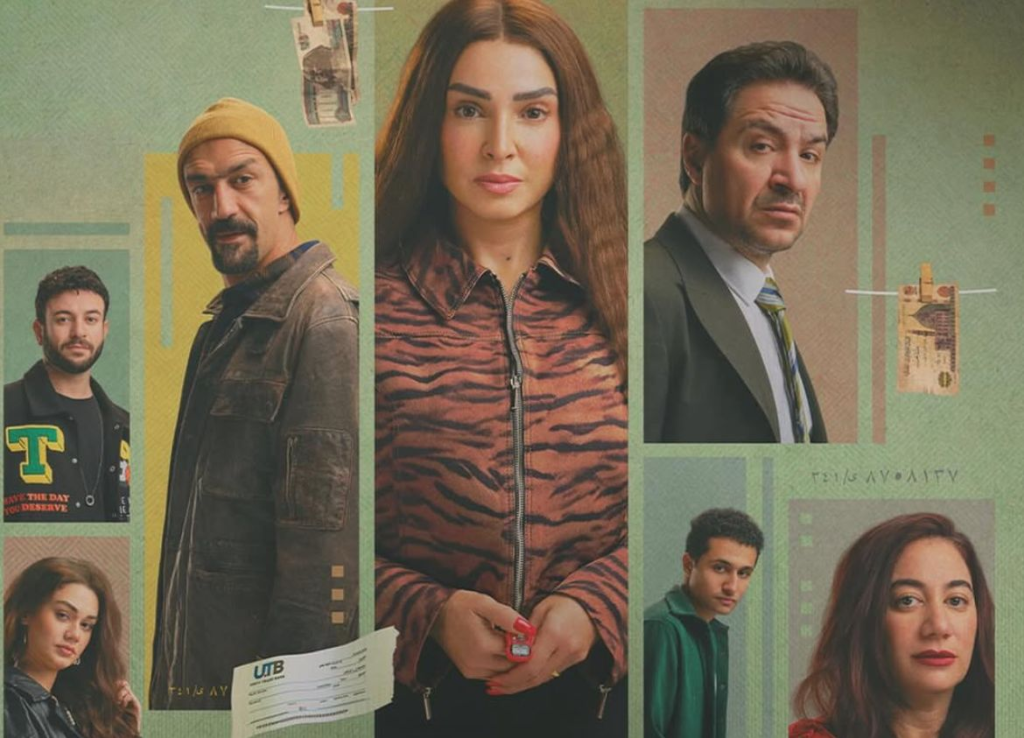
A sudden financial windfall pulls Sabah into the dangerous underworld of money laundering. As criminal threats close in and social pressure mounts, she and her husband are forced to confront how quickly trust erodes under fear.
Had Aqsa is less about crime as spectacle and more about moral suffocation, the slow realization that one impulsive choice can permanently redraw the boundaries of an ordinary life.
Mariam Naoum (Writer)
Al Lawn Al Azraq
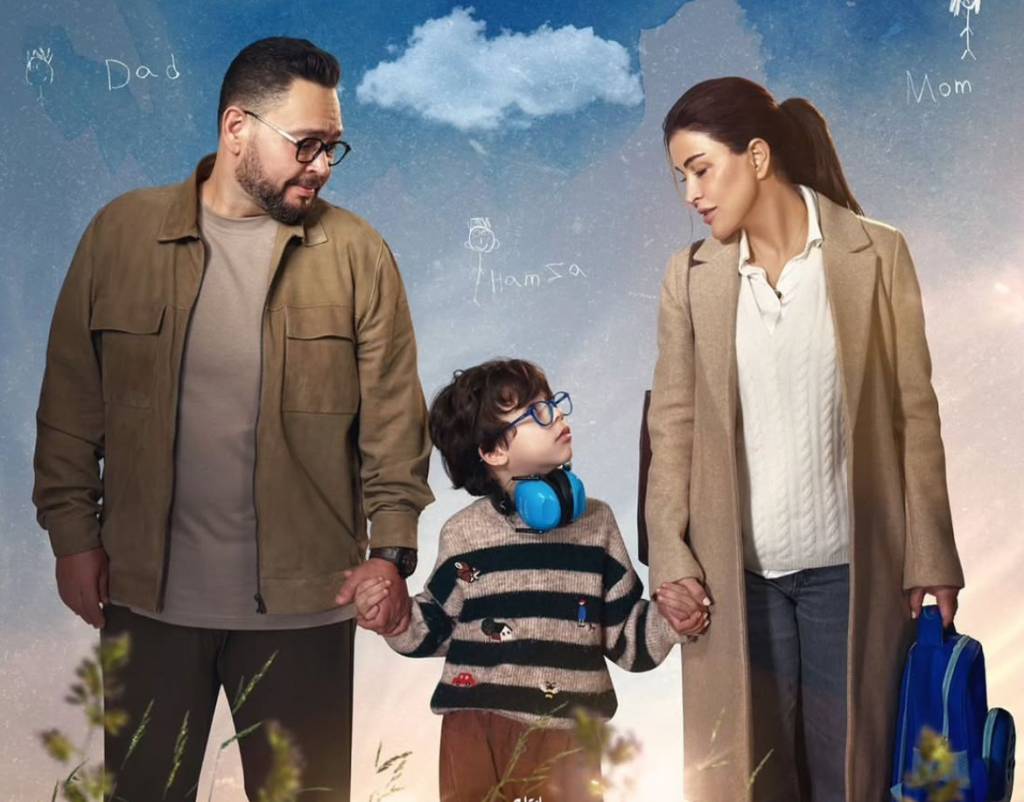
A family’s return home becomes the beginning of an emotional siege. As they struggle to secure treatment for their son, they are met not with empathy, but with social scrutiny. At the center is a mother suspended between present pain and an imagined, fearful future.
Maryam Naoum once again captures the quiet cruelty of societal judgment, and the private endurance demanded of women navigating illness, stigma, and maternal responsibility.
Shereen Adel (Director)
Elking
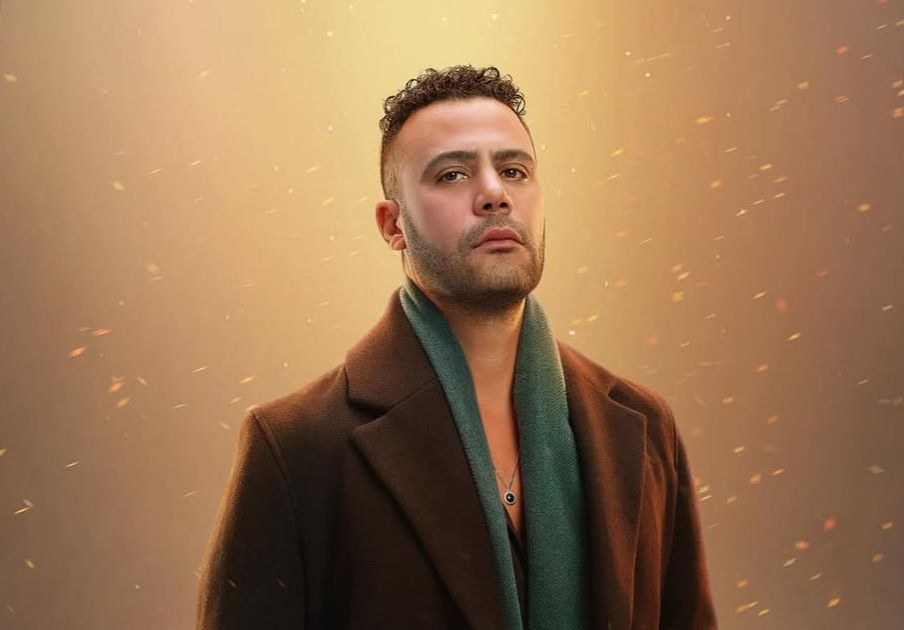
At its core, Elking is a story about power, how it seduces, distorts, and ultimately destroys. As rivalry brews between brothers, Hamza’s trajectory shifts dramatically: from a struggling porter to a rising businessman entangled with an international criminal network.
Every step forward narrows the distance between triumph and collapse, until violence, betrayal, and moral compromise become unavoidable. Shereen Adel frames ambition as a battlefield where survival comes at a devastating personal cost.
Conclusion
Taken together, these series suggest a Ramadan season shaped by nuance. Women creators are leading narratives that interrogate power, intimacy, law, and social belonging—without offering easy resolutions.
If anything, this lineup signals a shift: stories less interested in comforting viewers, and more invested in reflecting the complicated realities they already recognize.
We Said This: Don’t Miss…8 Ramadan Shows Bringing Real Drama to the Forefront of Our TV Screens