


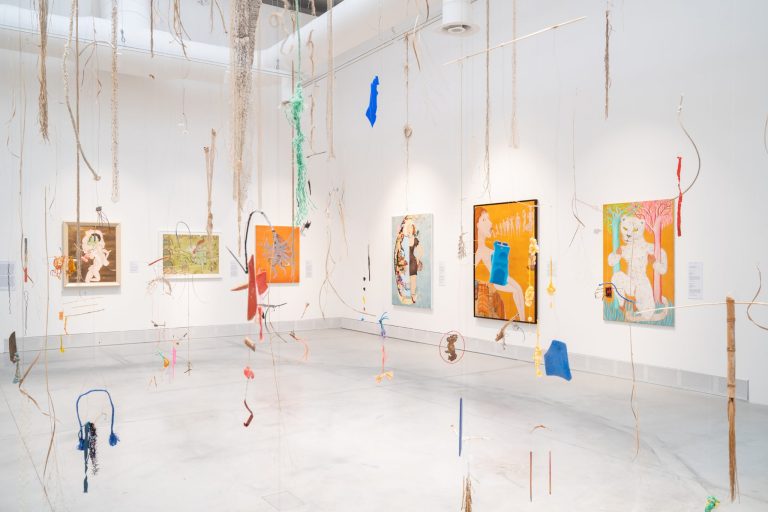
Art is turning down the volume, and all eyes are on the Venice Biennale, the oldest of its kind in Europe. The 61st International Art Exhibition, set for 2026, arrives under the thoughtful theme In Minor Keys, curated by Koyo Kouoh, a celebration of quiet, intimate, and poetic expressions over spectacle.
Running from 9 May to 22 November 2026, the exhibition will unfold across the iconic Giardini, the Arsenale, and venues scattered throughout Venice. As anticipation builds, several Arab countries have begun unveiling their pavilions, each bringing its own voice to this softer, more reflective global stage. Here’s what has been confirmed so far.
UAE
Washwasha
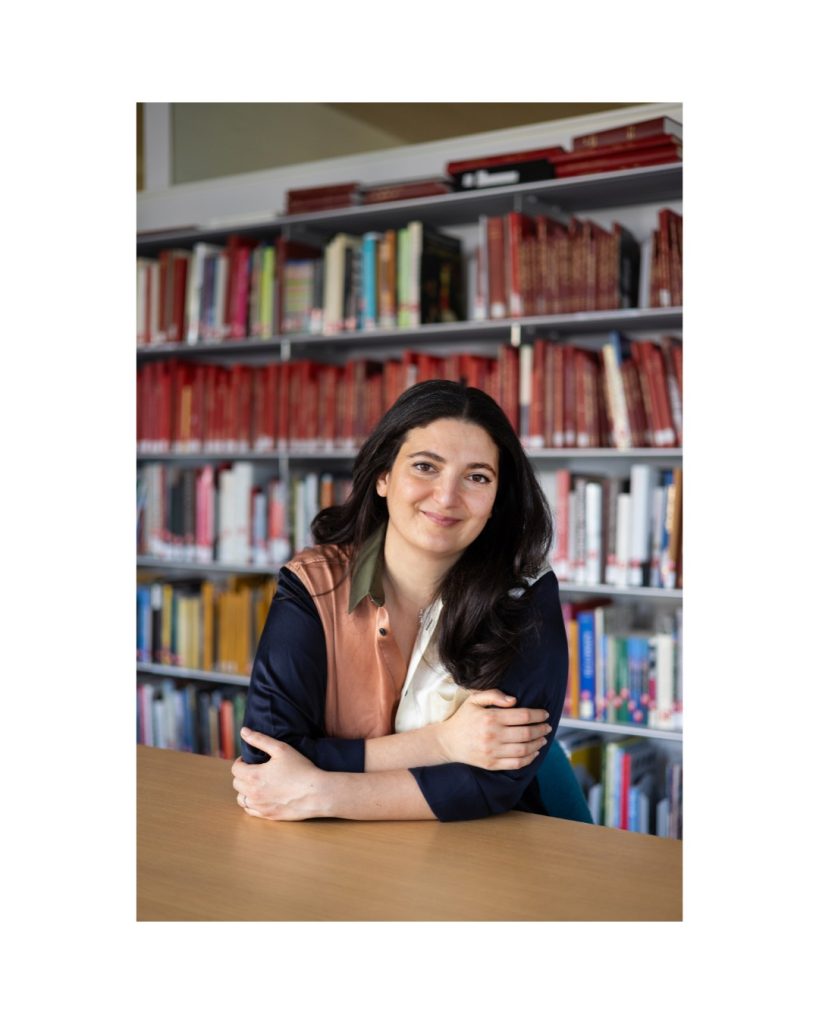
Preparations are in full swing for Washwasha, and this one is all about turning the volume down and leaning in. Curated by Bana Kattan, with assistant curator Tala Nassar, the exhibition brings together a dynamic, multi-generational lineup: Mays Albaik, Jawad Al Malhi, Farah Al Qasimi, Alaa Edris, Lamya Gargash, and Taus Makhacheva. Each artist brings a unique perspective, reflecting the many lived connections to the UAE’s ever-evolving cultural scene.
A playful nod to the Arabic word for “whispering,” Washwasha invites you to get a little closer. It uses softness as a starting point to explore big ideas, movement, technology, oral histories, and the ever-shifting relationship between language, body, and identity. The result? A layered, intimate experience that mirrors the diverse voices shaping, and being shaped by, the UAE today.
Egypt
Silence
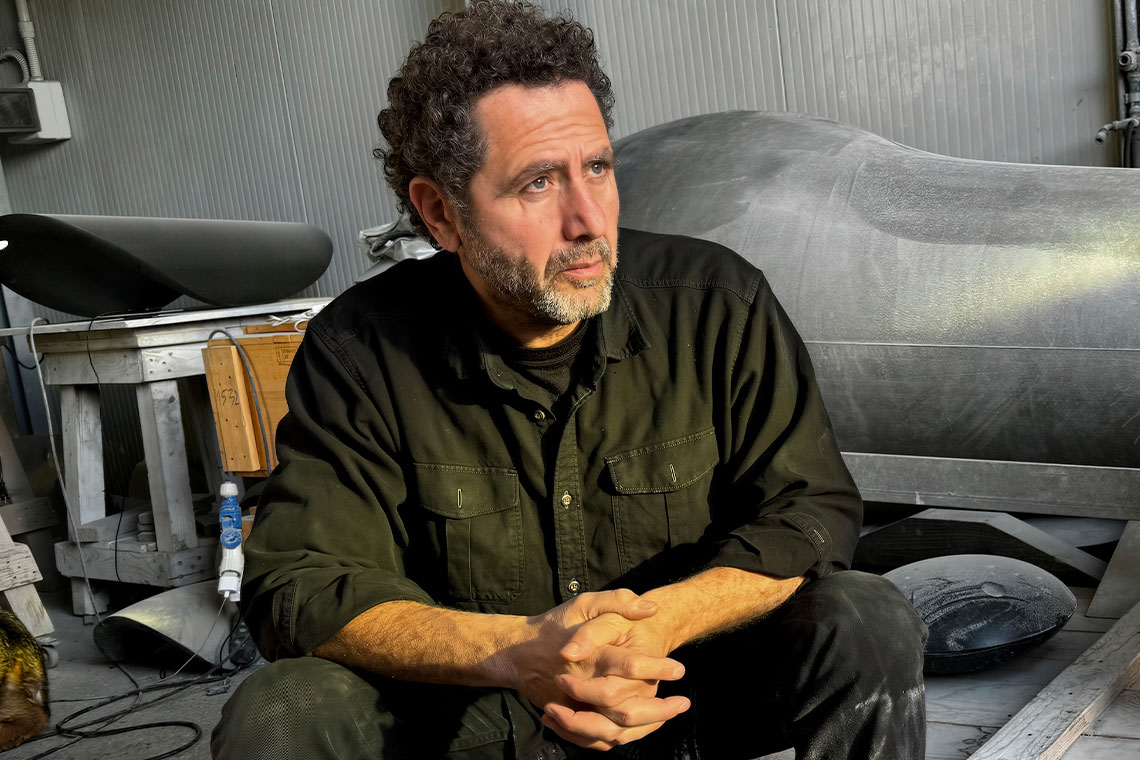
Egypt is making a quiet but powerful statement at the 2026 Venice Biennale with Armen Agop’s Silence Pavilion. This isn’t just an exhibition, it’s an invitation to slow down, listen, and tune in to the imperceptible: the pauses between gestures, the vibrations hidden in stone, and the gentle murmurs of existence itself.
Born in Cairo in 1969 to Armenian parents, Agop weaves together ancient Egyptian sculptural traditions with a deep meditation on form, time, and cultural memory, creating works that whisper as much as they speak.
Palestine
Tatreez
The Palestine Museum US is bringing threads of history and culture to Venice with an exhibition of Palestinian tatreez at the 2026 Biennale. This vibrant showcase highlights the intricate patterns and deep cultural meaning of a centuries-old textile craft from the Gaza region.
The exhibition will feature 100 embroidered works made by women from refugee camps and villages across Lebanon, Jordan, and the West Bank, each piece a story stitched with care, memory, and resilience. While tatreez literally means “embroidery” in Arabic, here it celebrates the unique Palestinian cross-stitch tradition, a living art form that connects generations, communities, and identities, one stitch at a time.

Lebanon
Don’t Get Me Wrong
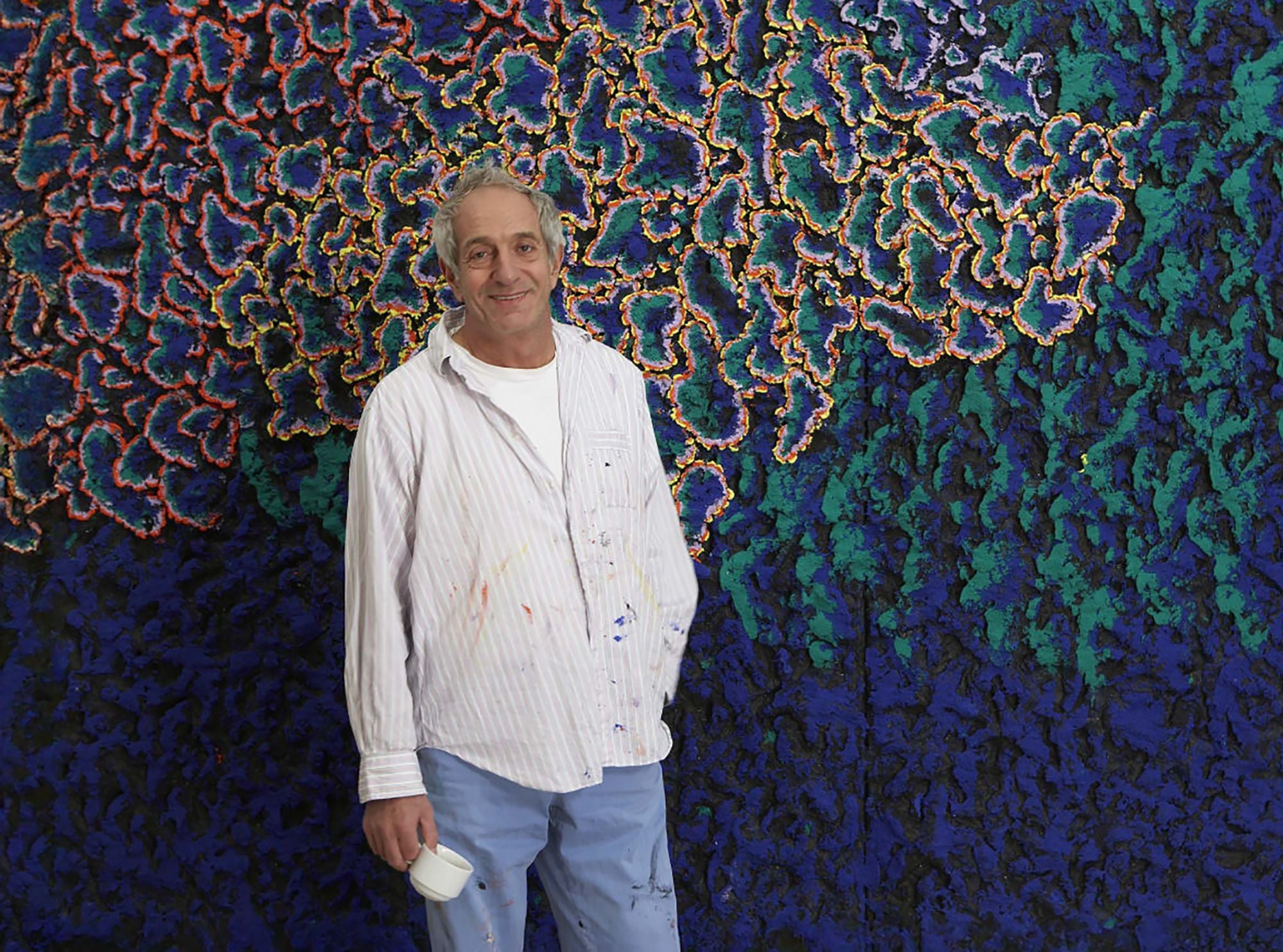
Lebanon is back at the Venice Biennale with a splash: Nabil Nahas’ immersive installation Don’t Get Me Wrong. The Pavilion of Lebanon promises a celebration of creativity, connection, and fraternity, showing how art can build bridges that cross geographical, cultural, historical, and ideological boundaries.
Nahas’ installation consists of 26 monumental acrylic-on-canvas panels, drawing viewers into his vibrant world. Representing Lebanon, Nahas’ work is curated by Dr Nada Ghandour, promising a pavilion that’s as bold and colorful as it is thought-provoking.
Morocco
Asǝtta
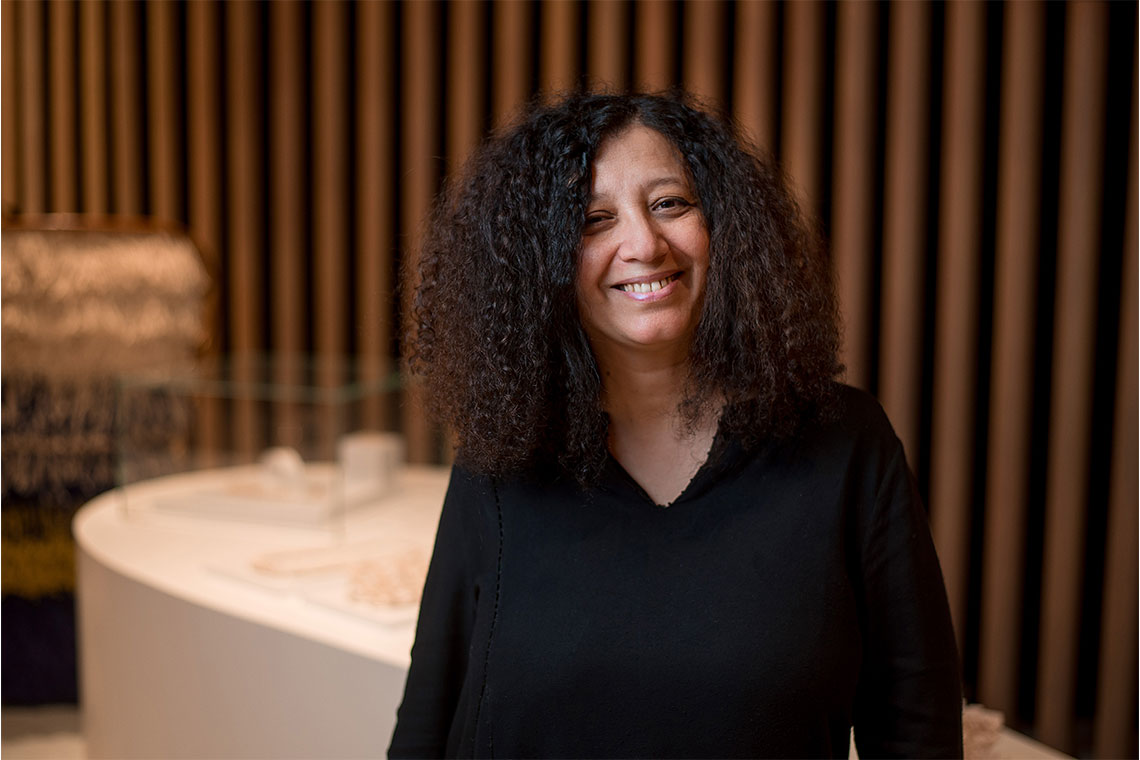
Morocco is making its debut at the 2026 Venice Biennale with its very first national pavilion. The Morocco Pavilion will showcase Asǝtta, a project by Amina Agueznay and curated by Meriem Berrada.
The installation’s title comes from an Amazigh word tied to ritual weaving, and the work itself is a celebration of Morocco’s rich craft traditions. Developed through research and close collaboration with artisans across the country, Asǝtta reflects the knowledge, skill, and stories passed down through generations, turning thread and craft into a mesmerizing artistic experience.
Syria
The Tower Tomb of Palmyra
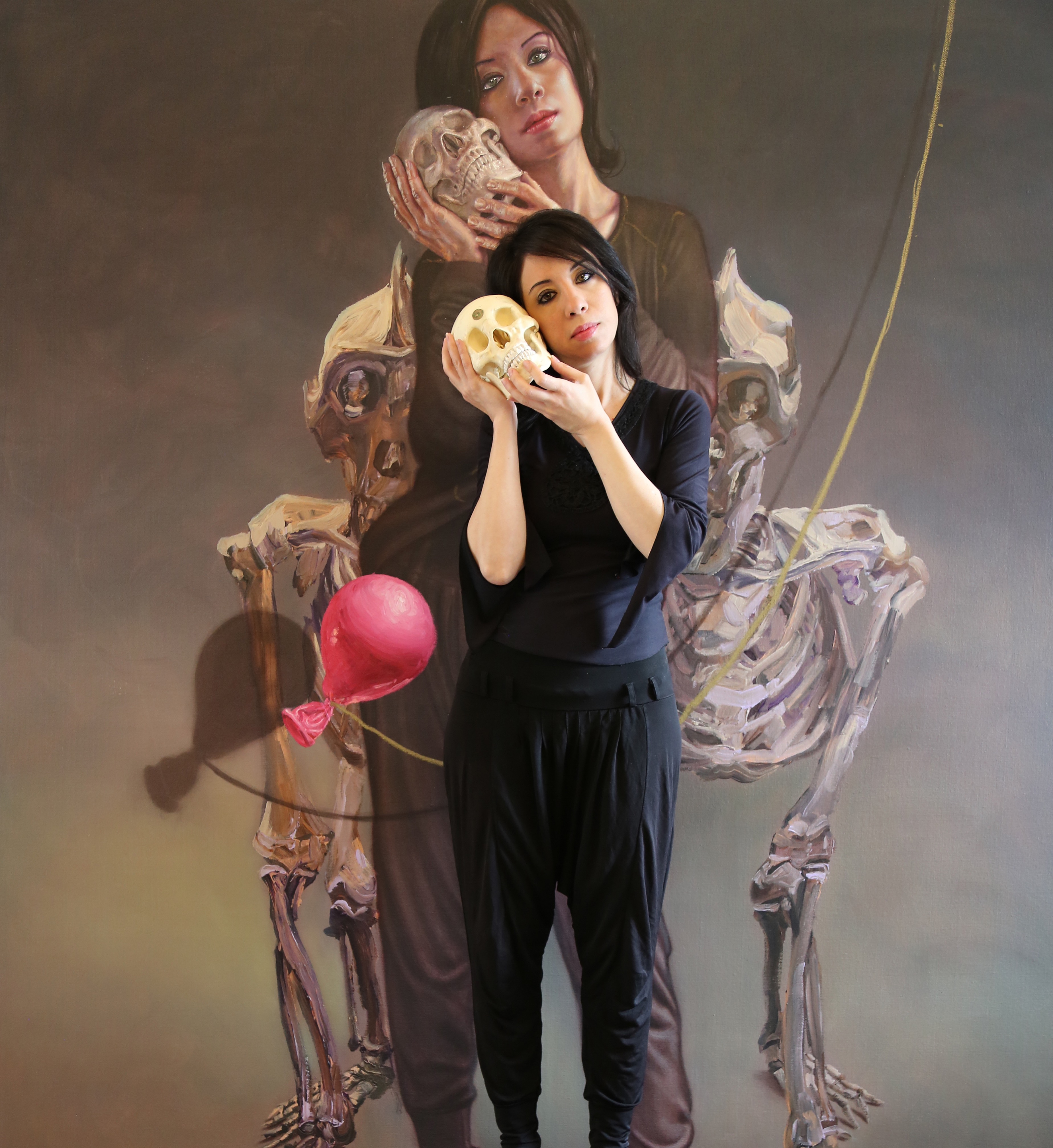
Syria returns to the Venice Biennale with Sara Shamma’s The Tower Tomb of Palmyra. Curated by Yuko Hasegawa, the pavilion promises a multi-sensory journey that blends painting, architecture, light, sound, and even scent.
Shamma’s immersive installation takes inspiration from the ancient funerary towers of Palmyra, once a vibrant crossroads of Greco-Roman, Aramaic, and Arab cultures, where communities of different religions and backgrounds lived together in harmony and mutual respect. Through this work, visitors are invited to experience not just the visual beauty of Palmyra’s heritage but the spirit of coexistence and cultural dialogue it represents.
Saudi Arabia
TBA
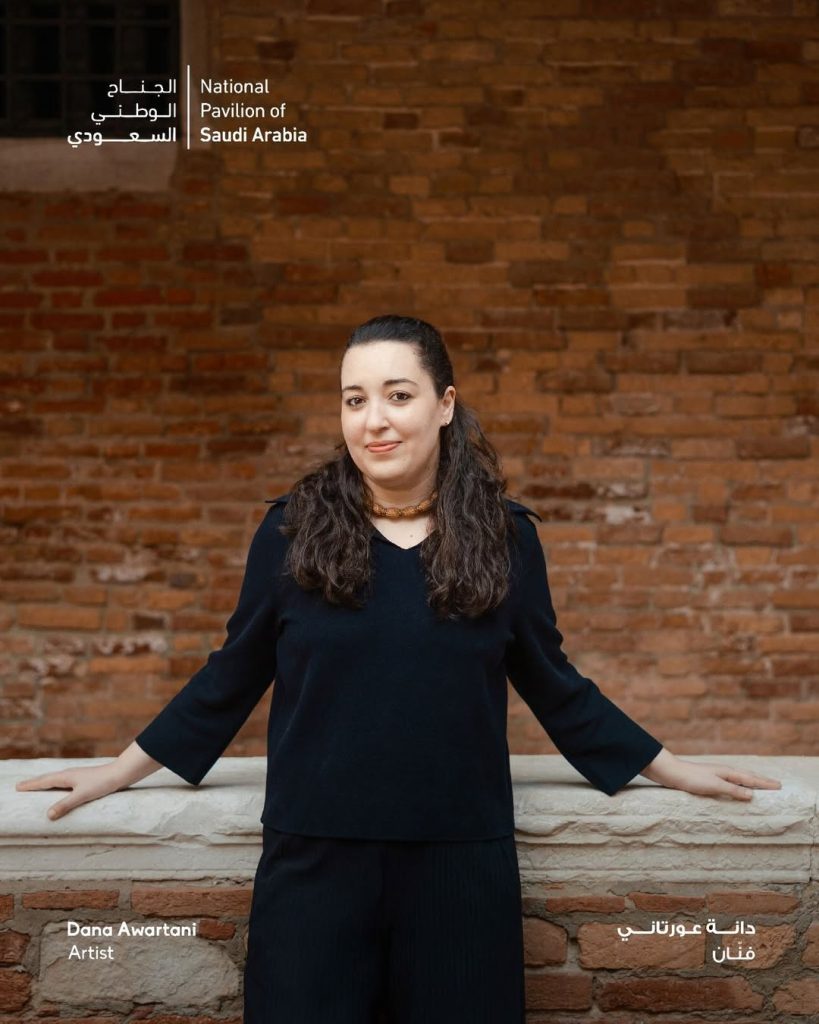
Saudi Arabia is bringing its vision to Venice with Dana Awartani representing the exhibition. The pavilion is curated by Antonia Carver, with assistant curator Hafsa Alkhudairi, collaborating closely with Awartani for Biennale Arte 2026.
Blending innovation with centuries-old Islamic and Arab art traditions, Awartani’s practice experiments with materials and concepts while honoring continuity and heritage. The full concept and details of her Venice exhibition are still under wraps, but anticipation is building for a show that promises to weave tradition and modernity into something unforgettable.
From whispers to vibrant threads, the Arab world is making a bold mark at the 2026 Venice Biennale. Each pavilion tells a unique story, offering visitors a journey across generations, mediums, and voices. With so many nations bringing their creativity to the canals of Venice, this Biennale promises to be a celebration of art, identity, and connection like no other.
We Said This: Don’t Miss… Guggenheim Abu Dhabi Calls on Young Artists for New Free Art Programme