



Opening the Ramadan drama marathon ahead of the pack, Sawa Sawa didn’t just premiere, it arrived with a conversation already waiting. As one of the season’s earliest releases, the series quickly became a hot topic. Reuniting the duo we loved in Mat’am El Habayeb, Ahmed Malek and Huda El-Mufti, the show taps into a chemistry audiences already cherish, but takes it somewhere deeper while maintaining the balance of heavy themes and a light, hopeful touch that feels both honest and comforting.
Illness and the Cost of Survival
The opening scene grips us with suspense, immediately raising questions as Ahlam and Ibrahim are on a mission to push her name up the hospital waitlist. Soon, we learn that Ahlam is battling a terminal illness, and with that revelation comes an unflinching look at hidden realities: the emotional strain, the financial burden, and the struggle to access the needed treatment. This introduction sets the tone for a story that is as heartfelt as it is hard-hitting.
Forced Marriage
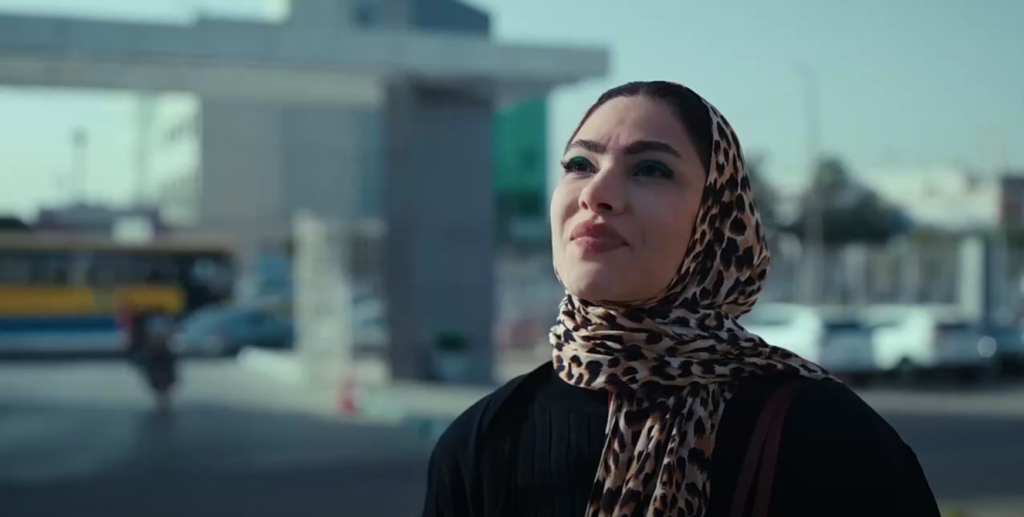
After watching Ahlam and Ibrahim’s sizzling love story, we’re left in shock. A single conversation with her father changes everything as she is forced to marry someone else. Finding out about your wedding the day before isn’t just a dramatic plot twist; it’s a commentary on a deep societal issue and the pressures that women face everyday.

Celebrating Diversity while Confronting Stigma
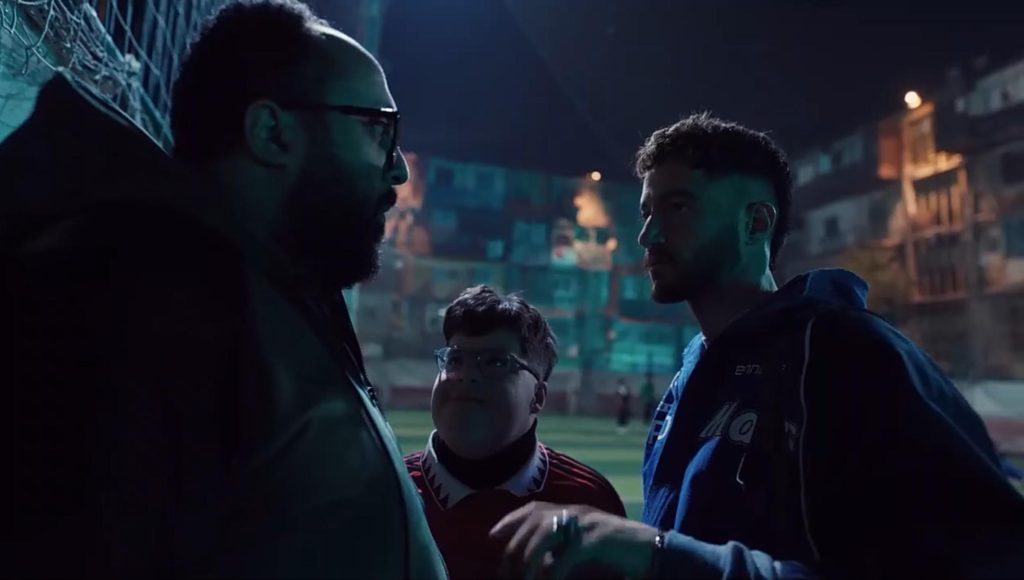
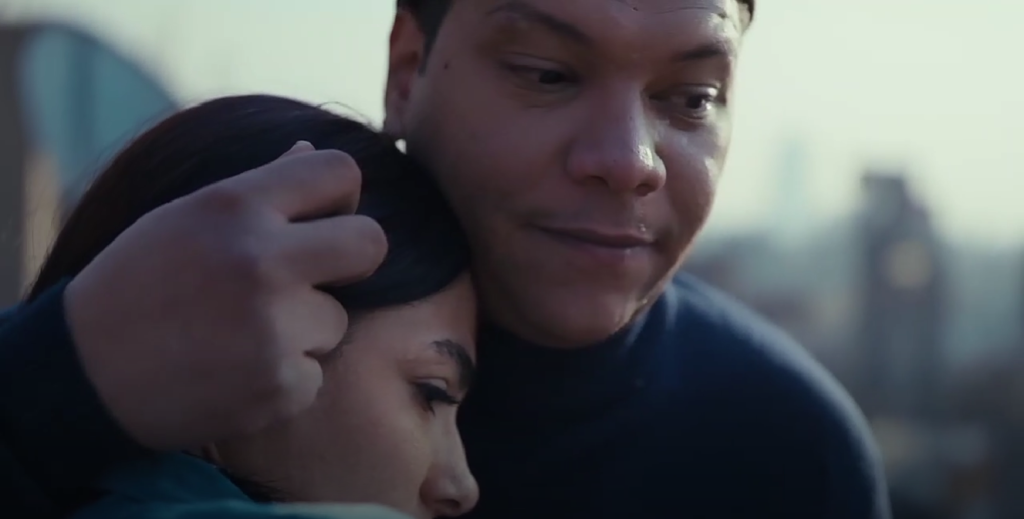
As the story unfolds, one of its most touching dynamics is Ibrahim’s relationship with his younger brother. He stands up for him without hesitation, shielding him from harm and watching over his wellbeing. Through their bond, the series offers an unfiltered look at how cruel society can be toward individuals with Down syndrome. We also get to see Ahlam’s bond with her brother and how he would do anything for her.
Toxic Friendships & Betrayal
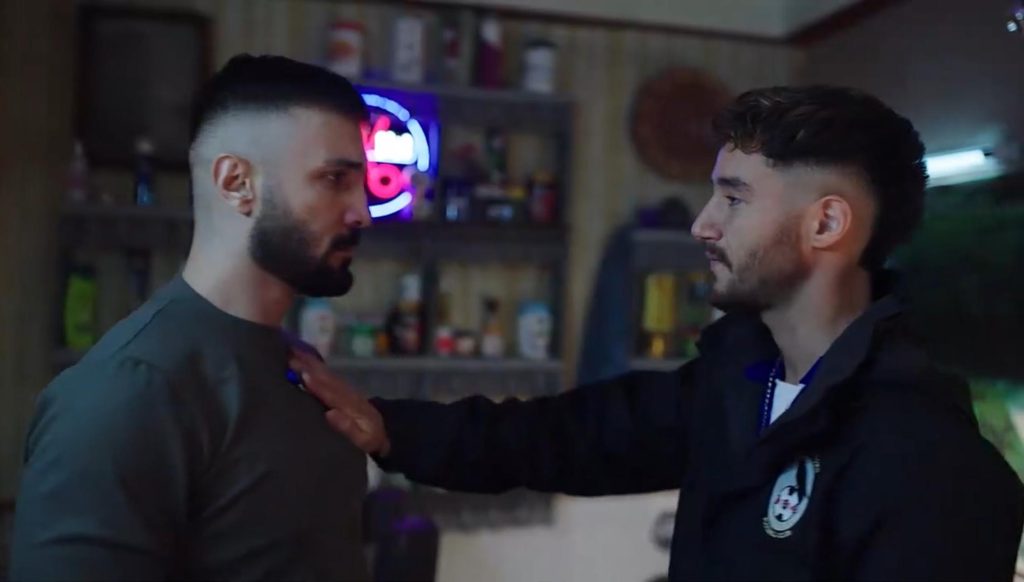
We get to see a true representation of toxic friendships through Ibrahim and Amir. They’re supposedly life long friend yet Amir hurts Ibrahim more than once: first by pulling him into the destructive world of substance abuse, and later, in the ultimate breach of trust, by attempting to marry Ahlam, the woman Ibrahim loves. Their dynamic exposes how not all long-standing friendships are healthy, some are rooted in manipulation, envy, and self-interest.
Childhood Trauma
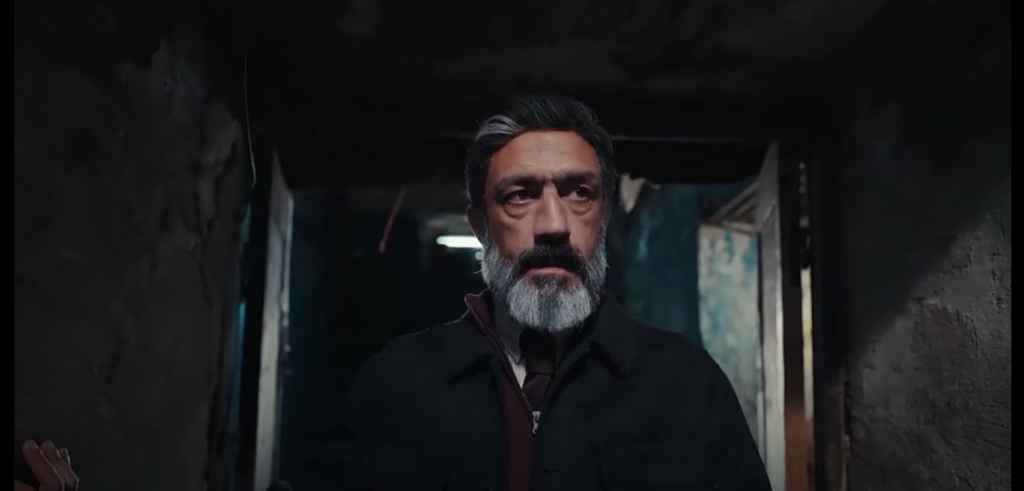
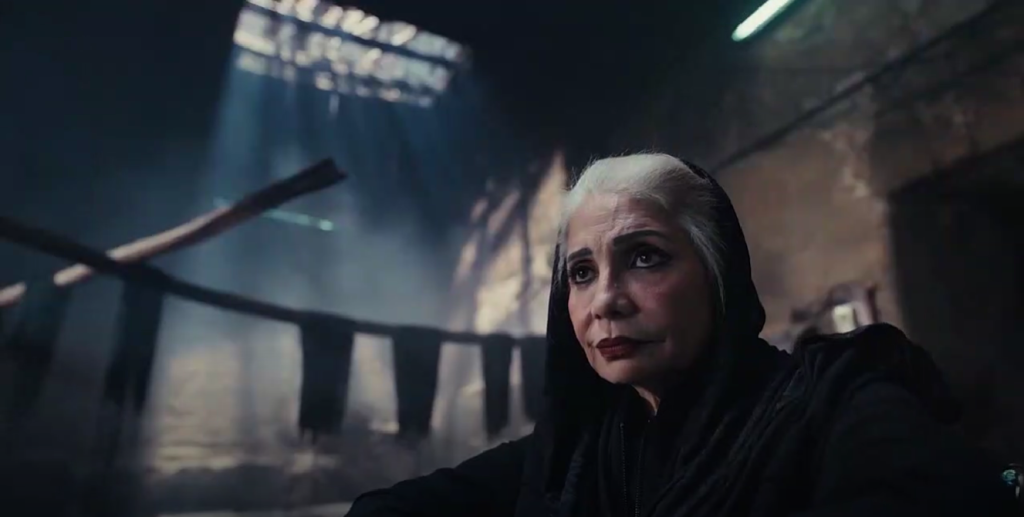
Dr. Fawzi makes his first appearance shrouded in mystery, carrying the weight of a past filled with unspoken pain. As the story unfolds, a flashback reveals the abuse he suffered at the hands of his mother as a child. Later, we witness a tense visit in which he confronts her over his lost childhood. The series doesn’t just depict the trauma of growing up with an abusive parent; it also examines the long-lasting scars that echo well into adulthood.
Final Thoughts
From exploring the challenges faced by people with disabilities to the burdens of illness, toxic friendships, and the lingering effects of trauma, the series reminds us that behind every story lies a human experience: complex, painful, yet hopeful. It’s a drama that entertains while holding up a mirror to the realities of many, making it both compelling and real.
We Said This: Don’t Miss… Ramadan Period Pieces We Still Think About