


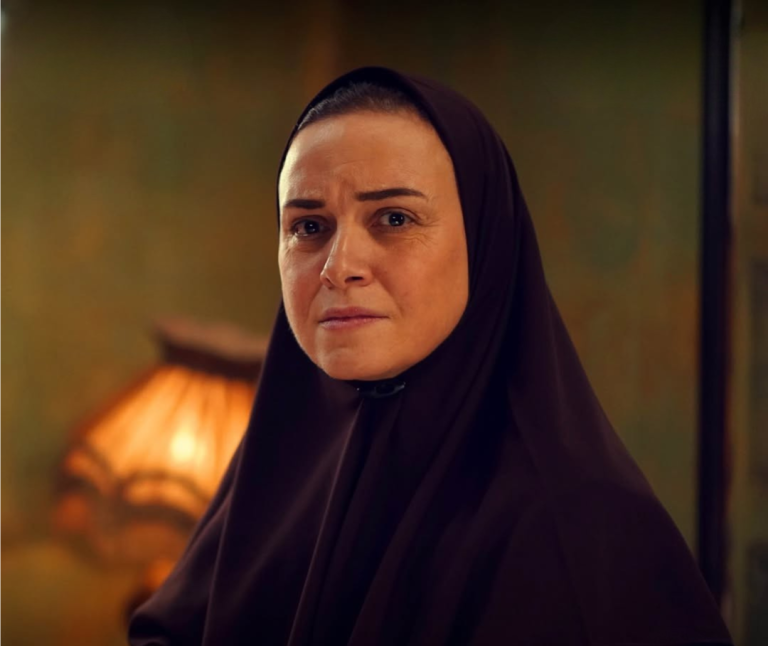
After Ein Sehreya had us counting down to the next episode, wondering if Adel’s life could get any more complicated (and somehow it always did), the second half of Ramadan came swinging with Hekayet Narges. This show threw us into the life of a messy, complicated, and totally unlikable main character who somehow got everyone talking about her, the story, and society at large.
But here’s the twist: behind the drama, these two hits share more than you’d think. Here’s why Ein Sehreya and Hekayet Narges became the unmissable winners of this Ramadan.
Non-Stereotypical Villains
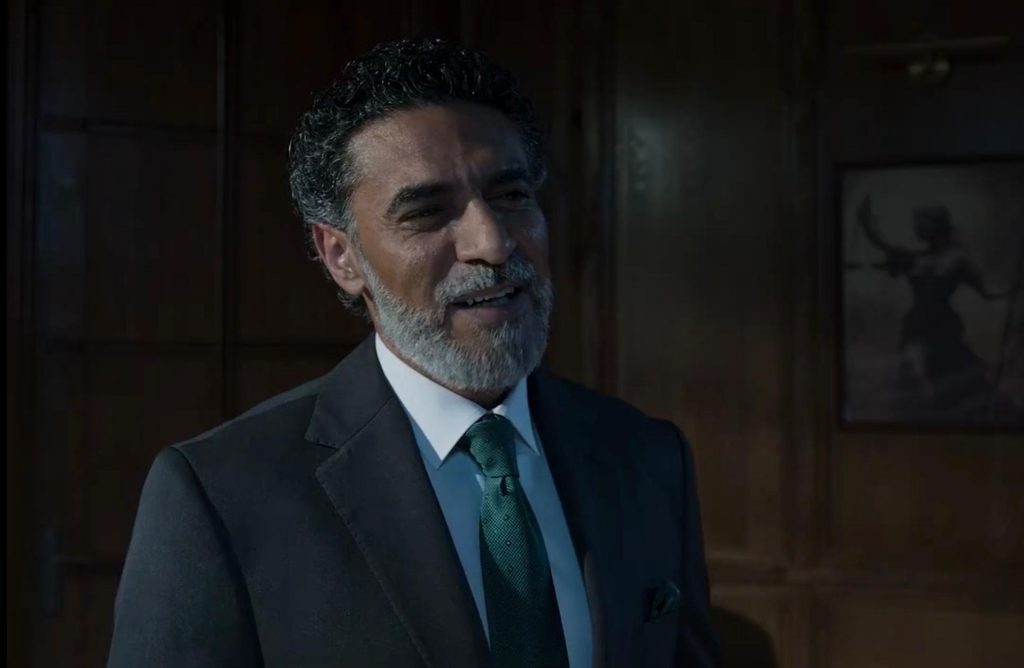
Ein Sehreya had us questioning justice, diving into the motives of its villains and their surprisingly deep backstories. Zaki, for example, is seeking revenge after spending years in prison, and losing his daughter, or Shehab, who deals fake medicine, only for us to discover he lost a friend to a similar tragedy. Every “bad guy” suddenly had layers that made us think twice.
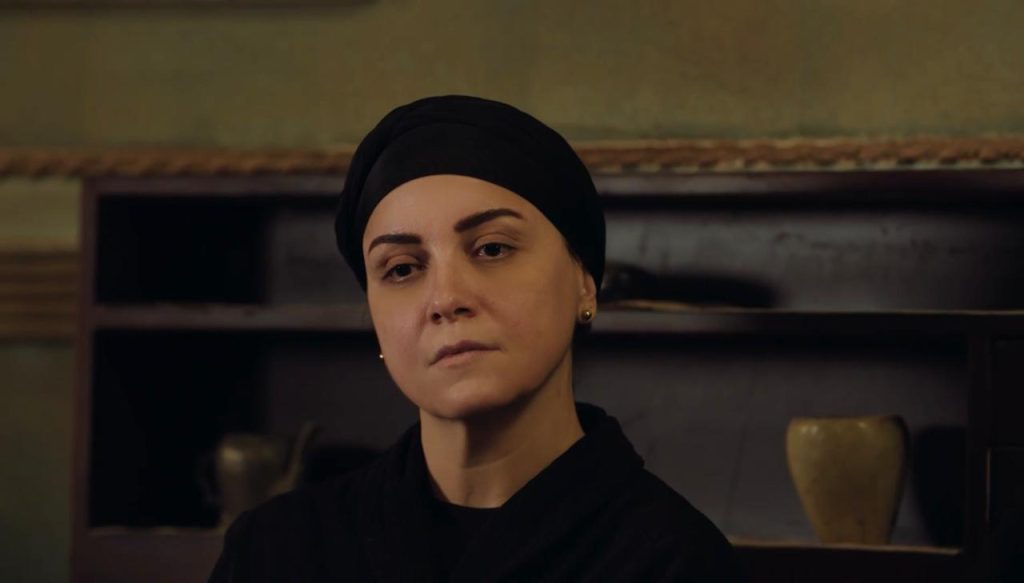
Hekayet Narges, on the other hand, takes the unconventional villain to a whole new level. Through Narges herself, we’re given a front-row seat to the reasons behind her crimes, seeing how the world treats her, pushes her, and shapes her choices.
Acting That Goes Beyond the Script
In Ein Sehreya, Essam Omar, Bassem Samr, and Mohamed Alaa weren’t just acting—they were bringing the story to life, making every moment feel raw, emotional, and far from scripted.
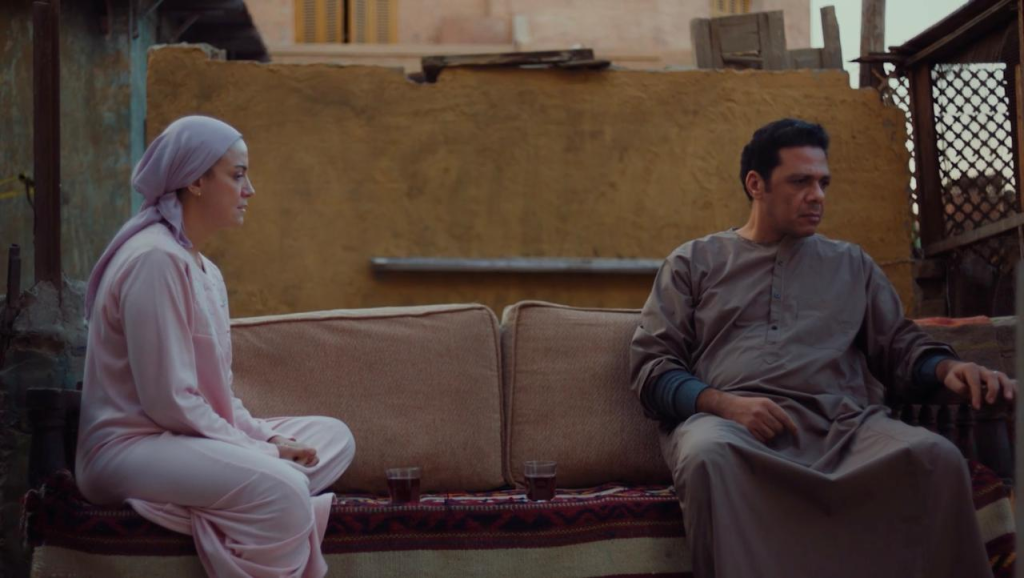
Hekayet Narges, on the other hand, pushed things even further. Reham Abdel Ghafour and Hazma El Eiley delivered performances layered with deep, raw emotions, turning unconventional and challenging topics into something audiences could truly relate to.
Unconventional Topics
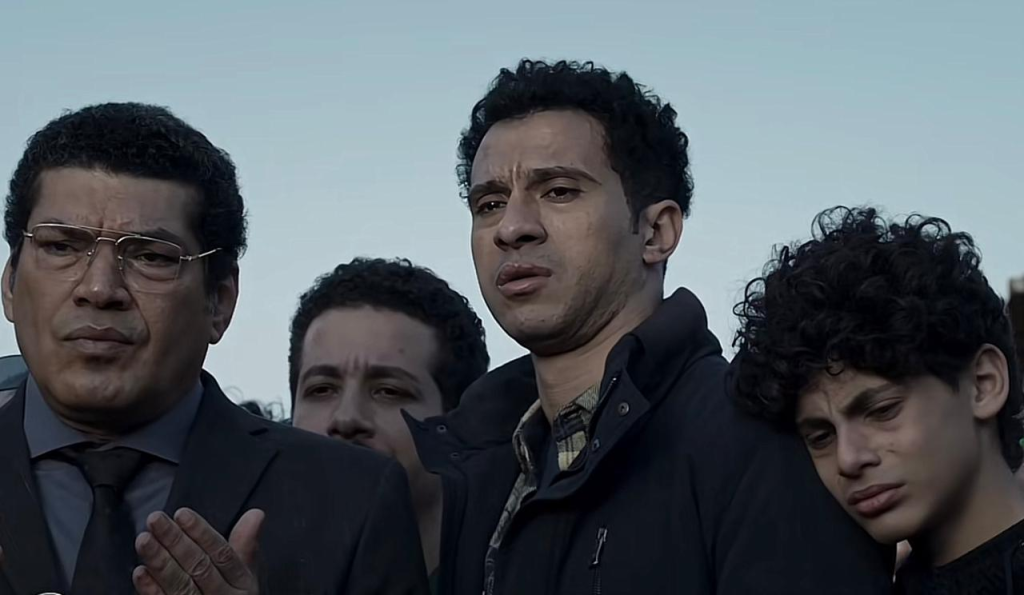
In Ein Sehreya, the plot dives into topics that most dramas shy away from like the dealing of dangerous drugs or the illegal use of monitoring cameras, giving the story an edge that keeps viewers hooked.
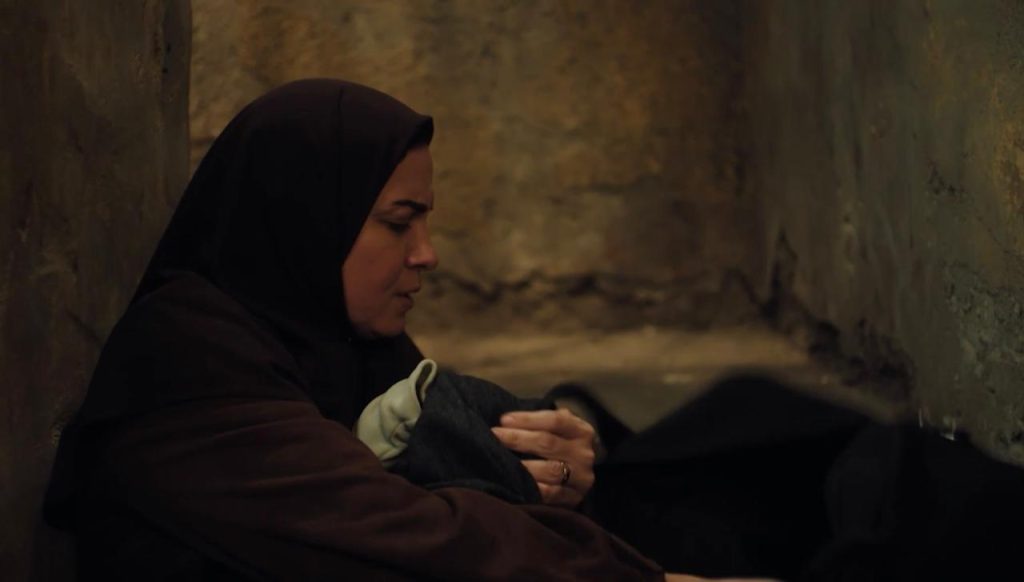
Hekayet Narges, meanwhile, brings a real-life story to the screen, one that shocked the public, revealing the details and motives behind a heartbreaking case of child kidnapping.
Visual Storytelling
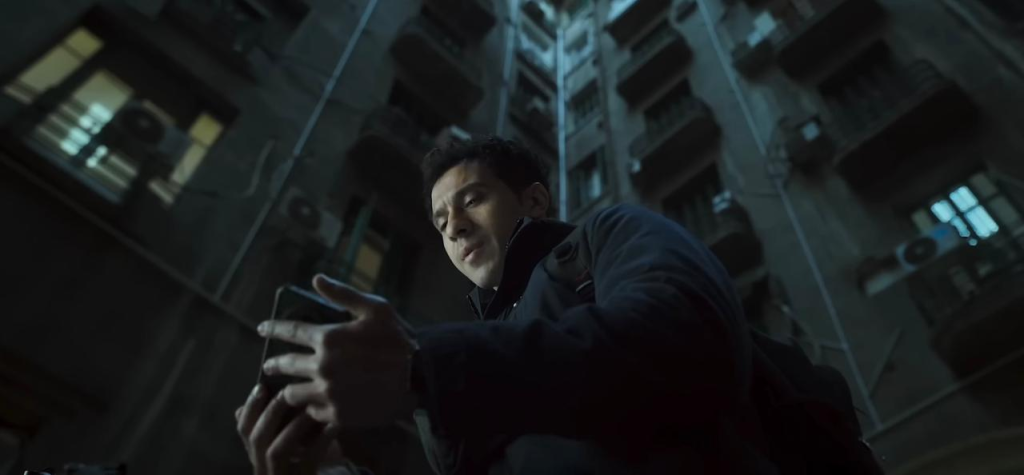
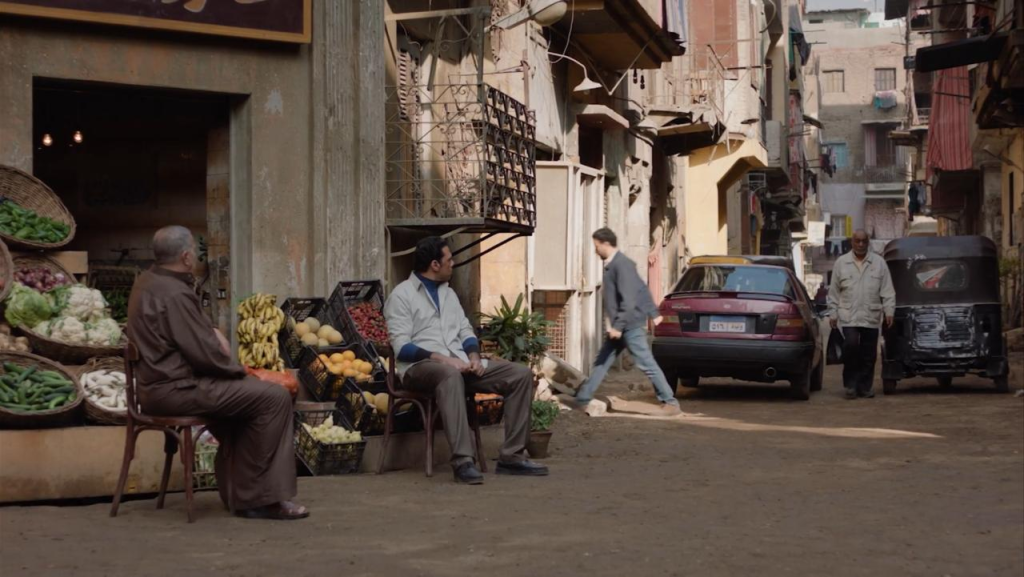
Both series rely heavily on visual storytelling, but in very different ways. Ein Sehreya uses colors, symbols, and camera angles to fully immerse viewers, dropping subtle hints and foreshadowing that keep you hooked episode after episode. Hekayet Narges, on the other hand, leans on humble, grounded settings that make the story feel real and relatable, drawing you in through authenticity rather than spectacle.

The Vision Behind the Hits
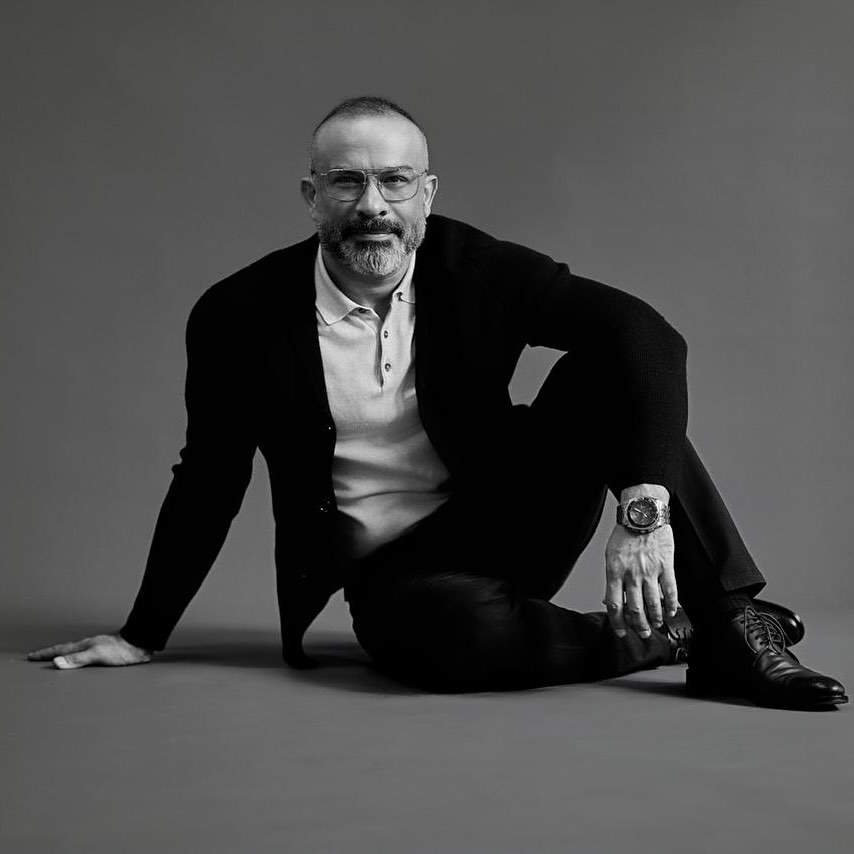
Both projects share a common thread behind the scenes: executive producer Mohammad Mashish. It’s easy to see that his vision is what ties these shows together, shaping their stories, performances, and bold choices into the hits we couldn’t stop watching this Ramadan.
When Hekayet Narges stepped in where Ein Sehreya left off in the second half of Ramadan, the similarities that made both shows unmissable became impossible to ignore. With flawless casting, gripping plotlines, and masterful direction, choosing between the two is no easy task, and honestly, we’re lucky we don’t have to.
We Said This: Don’t Miss… Is Hekayet Narges the Story of a Villain or a Victim of Society?