


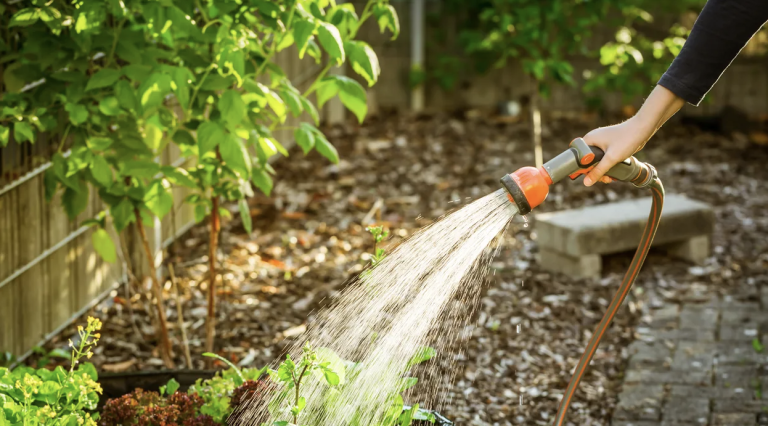
There was a time when the hallmark of sophisticated city living was a gleaming kitchen, a carefully arranged bookshelf and a balcony kitted out with tasteful furniture. These days, something quieter – and considerably greener – seems to be nudging its way into that space: growing your own food. All over our cities, people are transforming windowsills, rooftops and awkward little outdoor corners into edible patches, and the shift tells you quite a bit about where urban life is heading. It often begins modestly enough, perhaps with a packet of vegetable seeds and an old container that’s been sitting in the cupboard, but the pull of it goes well beyond idle curiosity.
What previous generations associated firmly with the countryside is now being taken up as a deliberate lifestyle choice. And rather quietly, it’s become a marker of something – awareness, perhaps, or a certain kind of intentionality.
What status actually looks like now
Status symbols have shifted enormously in the past decade or so. Owning more things used to be the point. Now, for a lot of people, living more thoughtfully seems to carry more weight. Experiences, sustainability, wellbeing – these feel culturally significant in a way that simply accumulating possessions no longer does. Growing your own fits comfortably into that shift because it’s not about displaying wealth. It’s about showing up with a bit more care.
There’s something that urban gardening quietly communicates: that you pay attention to what you eat and where it comes from. It suggests patience, genuine curiosity, and a willingness to learn something practical. In a world defined by rapid consumption and relentless digital noise, those qualities resonate. A few thriving edible plants can, in their own understated way, say more about someone’s priorities than most things money can buy.

The pull of doing things yourself
City life tends to come with a pervasive sense of dependence. You buy food in a shop and there’s no visible thread connecting it to soil, weather or anyone’s labour. Growing even a modest amount at home cuts through that. It creates something direct – effort in, reward out – and reminds you that food doesn’t just materialise, it grows.
You don’t need a garden or any particular expertise to feel this. Most people start with one or two forgiving crops. It’s not really about how much you harvest. It’s about being part of the process. Pulling a handful of herbs you’ve grown yourself feels disproportionately satisfying, especially when almost everything else in modern life arrives instantly and without effort.
Sustainability as something lived, not just talked about
Environmental consciousness has become genuinely central to how a lot of people think about their daily choices. Reducing waste, cutting carbon footprints, buying more responsibly – these aren’t fringe concerns anymore. Home growing slots naturally into all of that.
Even at a small scale, it reduces dependence on packaged goods and lengthy supply chains. It encourages composting, more careful water use, and eating with the seasons. And because these habits are visible and shareable, they’ve become part of how people express what they care about. A photo of something you’ve grown yourself carries a different kind of currency to a styled flat lay. It feels earned rather than curated.

What social media actually did here
Platforms have genuinely shifted gardening from a niche pursuit into something broadly aspirational. Seed-to-harvest videos rack up millions of views. They’re calming, oddly satisfying, and accessible – which makes them unusually well suited to the way people scroll.
What’s particularly interesting is that gardening content doesn’t depend on perfection. People share failures, experiments and slow progress alongside the eventual results. That honesty makes the whole thing feel approachable, lowers the barrier, and nudges people to have a go themselves.
A slower rhythm for faster lives
Urban life moves quickly. The commute, the inbox, the food ordered and delivered inside half an hour. Gardening offers the counter-experience. Plants don’t care about your deadlines. They grow when they grow, and there’s something quietly grounding about that lack of urgency.
For many city dwellers, tending a few plants becomes a small but meaningful ritual – watering in the morning, checking in on something in the evening. Nothing dramatic. But over time these moments accumulate into something that functions a bit like ballast: a point of stability in an otherwise relentlessly connected day.
Small spaces aren’t actually a barrier
Part of why urban growing has caught on so broadly is that it asks very little in terms of space. Balconies, windowsills, shared courtyards, kitchen counters- with a bit of creativity and the right varieties, most of these can support something edible. Containers, vertical planters and compact cultivars have made it workable in spots that once seemed hopeless.
This flexibility has opened it up well beyond people with conventional gardens. It fits around different living arrangements and different budgets. The point is that meaningful change doesn’t always require a complete overhaul of your circumstances. Sometimes it genuinely does start with a single pot on a south-facing sill.
It’s probably not going anywhere
Growing food is unlikely to fade as a trend because it isn’t really a trend. Its roots are older and deeper – nurturing, observing, harvesting. These are fundamental human experiences that don’t go out of fashion.
What tends to begin as a small experiment – a herb on the windowsill, a courgette on the balcony – becomes a habit. Not because it’s fashionable, but because it turns out to be genuinely good for you. And what the popularity of home-grown food ultimately reflects isn’t really about plants at all. It’s about people wanting something tangible to participate in, wanting to feel a bit less at the mercy of systems they can’t see or influence. In a world that often seems to be accelerating beyond reason, that slow, steady, green sort of growth might be the most honest symbol of all.
WE SAID THIS: Don’t Miss… 5 Wellness Resorts in Egypt for a Relaxing Escape