


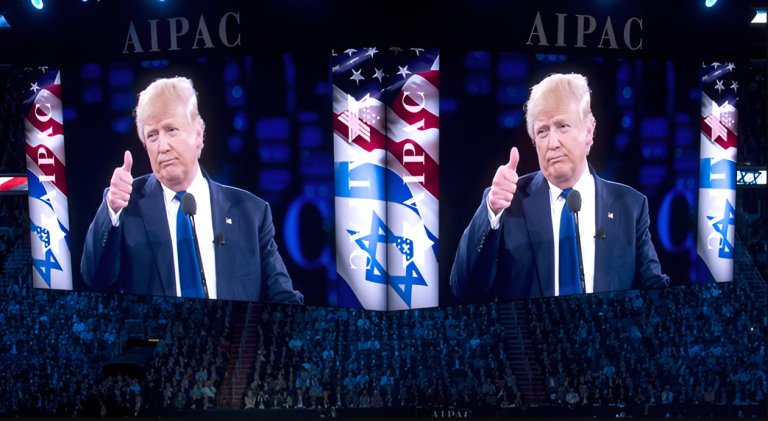
For decades, the American Israel Public Affairs Committee (AIPAC) has been one of the most powerful lobbying groups in the United States, working to secure strong, often unconditional, US political and military support for Israel. Its financial backing has traditionally been seen as an asset for American politicians, especially within the Democratic Party.
That reality is now changing.
A growing number of US lawmakers — from both Democrats and Republicans — are distancing themselves from AIPAC, reflecting a broader shift in public opinion following the genocide in Gaza and increasing criticism of the Israeli government under Prime Minister Benjamin Netanyahu.
A Democratic Lawmaker Breaks with AIPAC
One of the clearest signs of this shift came when Democratic Congressman Seth Moulton of Massachusetts, who previously ran for president, announced he would return donations he previously received from AIPAC and refuse its support going forward.
Moulton is not a left-wing politician. In US politics, the left wing generally refers to politicians who emphasize social justice, government oversight, and a more critical approach to military power. Moulton, by contrast, is considered a centrist and has long described himself as a supporter of Israel.
However, he said AIPAC has become too closely aligned with Netanyahu’s government, which many Democrats now view as extreme and damaging — not only to Palestinians, but also to Israel’s long-term security.
“I’m a friend of Israel, but not of its current government,” Moulton explained.
Making Lobby Money “Toxic”: The Rise of Track AIPAC
A major factor behind this shift is increased transparency around money in US politics.
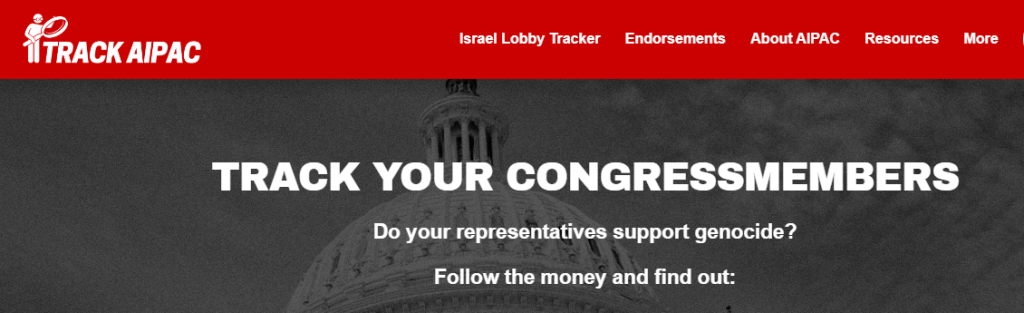
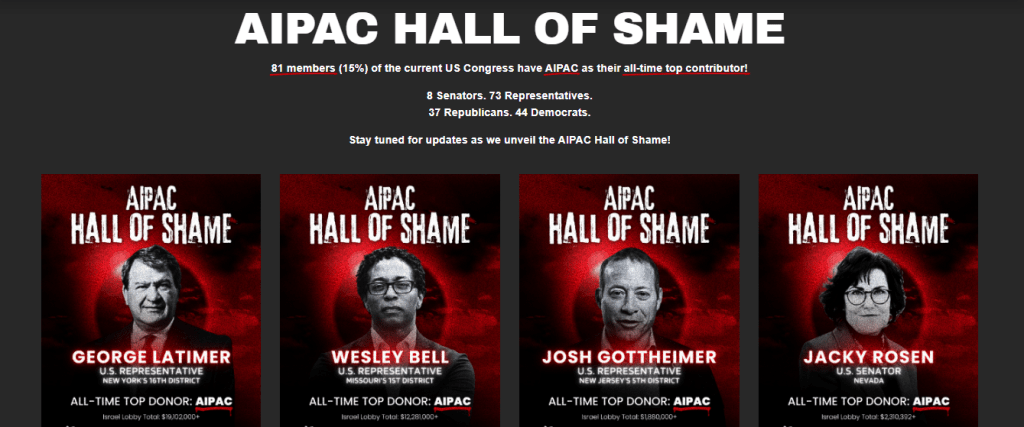
Grassroots initiatives such as Track AIPAC have emerged to document how much funding AIPAC-linked political action committees give to individual members of Congress. The goal is not just to inform the public, but to make these donations politically risky.
As one organizer explained, the idea is to “make the money toxic,” so that even lawmakers who receive relatively small donations feel pressure to return them.
Political scientists note that public interest in tracking AIPAC donations has surged since Israel’s war on Gaza, as Americans increasingly question how US policy is shaped and who influences it.
Public Opinion in the US Is Shifting
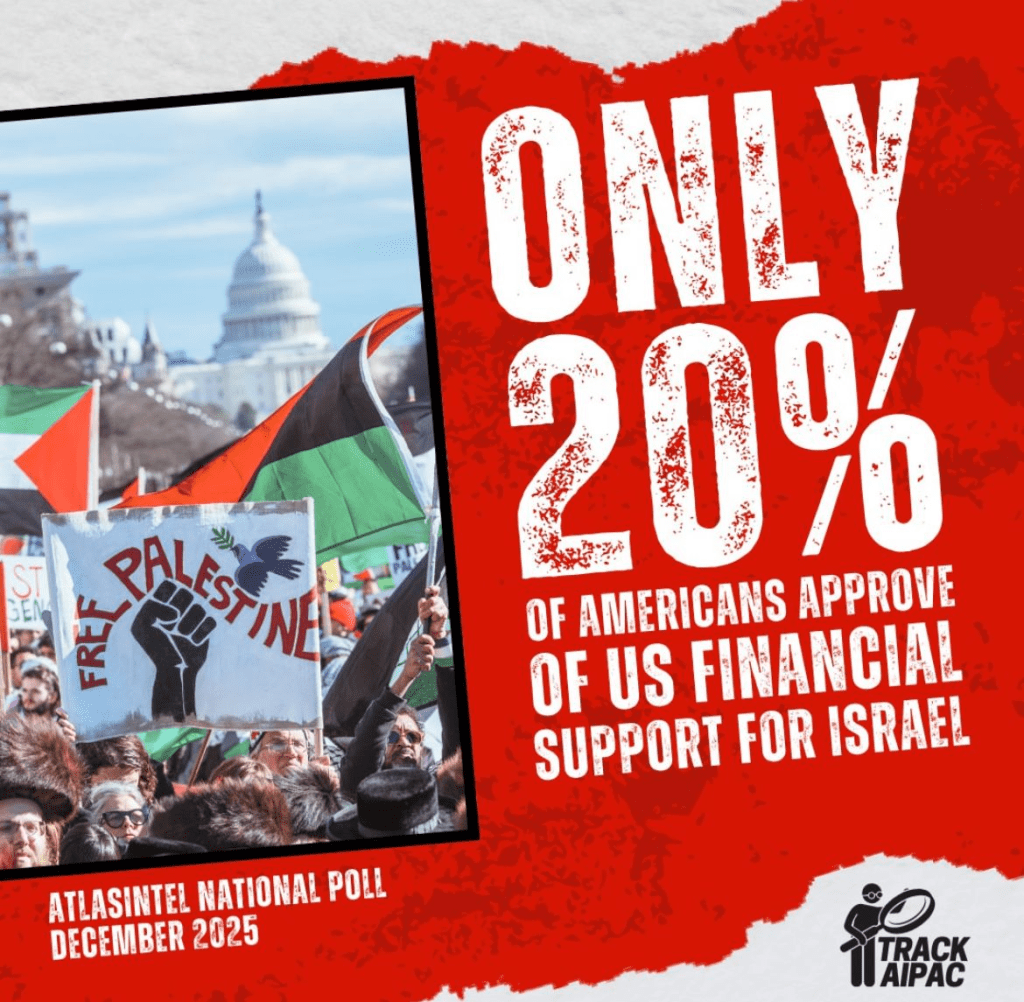
Recent polling confirms a sharp change in American attitudes toward Israel.
One major survey found that nearly six in ten Americans now hold an unfavorable view of the Israeli government, a striking reversal from previous years and one of the clearest indicators of declining public support.
This shift has been especially pronounced among younger voters and Democratic supporters, further weakening AIPAC’s traditional influence within the party.
Democrats Look for Alternatives
As AIPAC becomes more controversial, some Democratic leaders are turning toward alternative pro-Israel groups with more critical positions.
A notable example is House Democratic leader Hakeem Jeffries, who accepted support from J Street — a center-left lobbying group that supports a two-state solution and openly criticizes Netanyahu’s government. This move would have been unthinkable just a few years ago and signals a broader realignment within the Democratic Party.
Several Democratic lawmakers who once relied on AIPAC funding have also announced they will no longer accept its donations, while fewer Democrats are participating in AIPAC-sponsored trips to Israel.
That shift was summed up bluntly by Justice Democrats, a progressive political organization that supports left-wing candidates. A spokesperson for the group said AIPAC is “transforming from a lobby the establishment could rely on to buy a seat in Washington into a kiss of death for candidates they support.”
Criticism Also Grows on the American Right
Opposition to AIPAC is no longer limited to the left.
In US politics, the right wing generally refers to politicians who emphasize nationalism, reduced foreign spending, and prioritizing domestic concerns. Within this camp — particularly among supporters of former President Donald Trump — skepticism toward foreign aid, including aid to Israel, has grown.
Republican Congresswoman Marjorie Taylor Greene has emerged as one of AIPAC’s most outspoken critics, accusing it of serving the interests of a foreign government. While she is a polarizing figure, her comments reflect a broader shift among segments of the American right toward questioning long-standing foreign alliances.
Conclusion: A Political Realignment Underway
AIPAC remains wealthy and influential, but its role in American politics is no longer unquestioned. Support from the lobby — once seen as a political shield — is increasingly viewed as a liability, particularly for Democrats.
The war on Gaza has accelerated changes in US public opinion, weakening decades of unconditional political support for Israel. As scrutiny grows and alliances shift, AIPAC’s dominance in Washington appears to be entering a new and uncertain phase — shaped increasingly by public accountability rather than fear or money.
WE ALSO SAID THIS: Don’t Miss…Trump on the Possibility of Saudi Arabia Normalizing Relations with Israel