


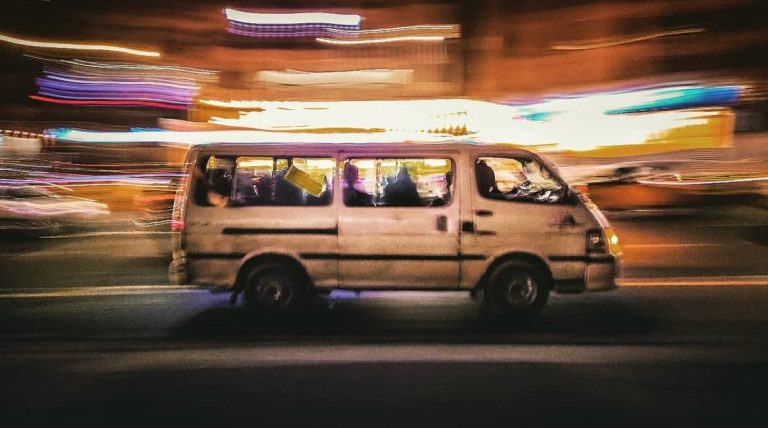
If you’re in Alexandria long enough, you’ll end up taking el-mashro3. Not because you planned to, but because that’s just how the city works. You don’t remember your first ride, but you remember the feeling: the noise, the rush, the strange comfort of it all. Still, if you’re about to take one (or trying to explain it to someone), there are a few things worth knowing.
1. Why We Say Mashro3 Not Microbus
It’s technically a microbus. Everyone knows that. But we call it mashro3 on purpose. The word comes from an old passenger transport project (Mashro3) from the 70s and early 80s, back when the city needed something lighter and faster than buses and trams.
The project itself disappeared, but the name stayed. Saying mashro3 today is about identity. It’s how Alexandrians recognize each other in the wild. You either say it naturally, or you don’t.
2. Hand Signs Are Everything
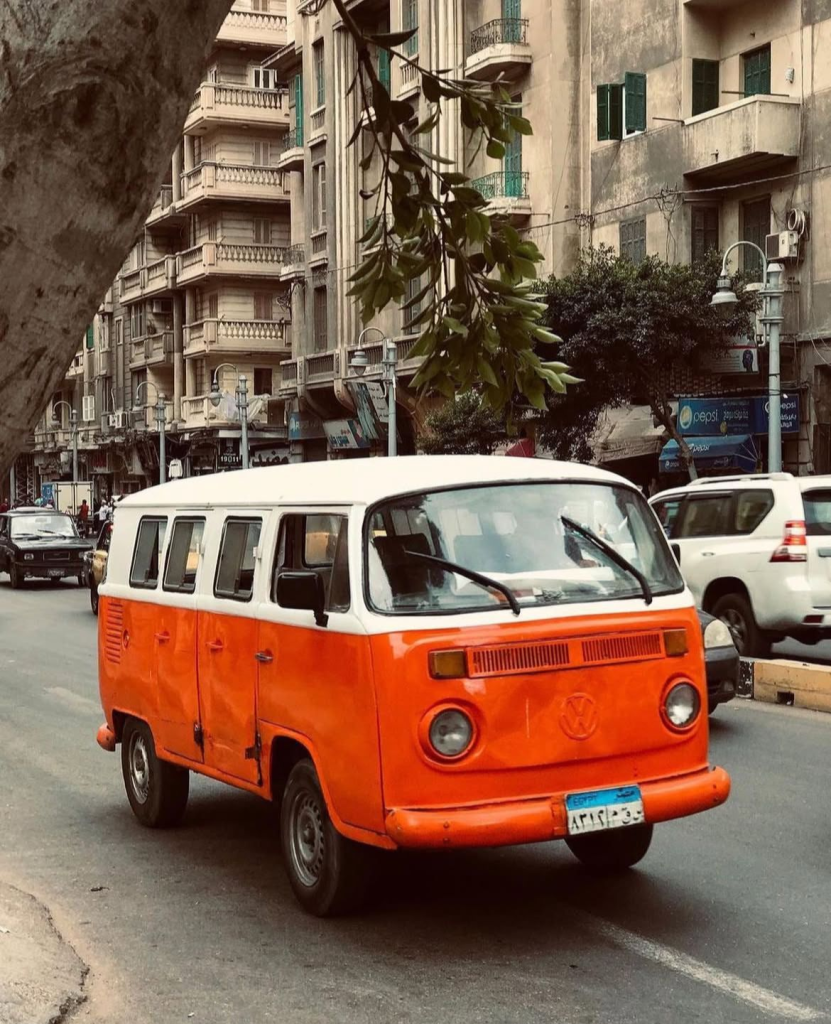
Alexandria stretches in two long lines parallel to the sea, and because of that, the mashro3 just… works. You can be almost anywhere, raise your hand, and one will stop right in front of you. Always. The real language is in the gestures.
Hand signs here are precise, learned early, and rarely explained. A closed fist with one finger pointing down, repeated calmly. The same motion, but with a small circular twist added almost absentmindedly. To anyone watching, it’s nothing. To an Alexandrian, it’s the difference between two entirely different destinations, Victoria or Sidi Bishr, and you never confuse them.
3. Meet the Drivers
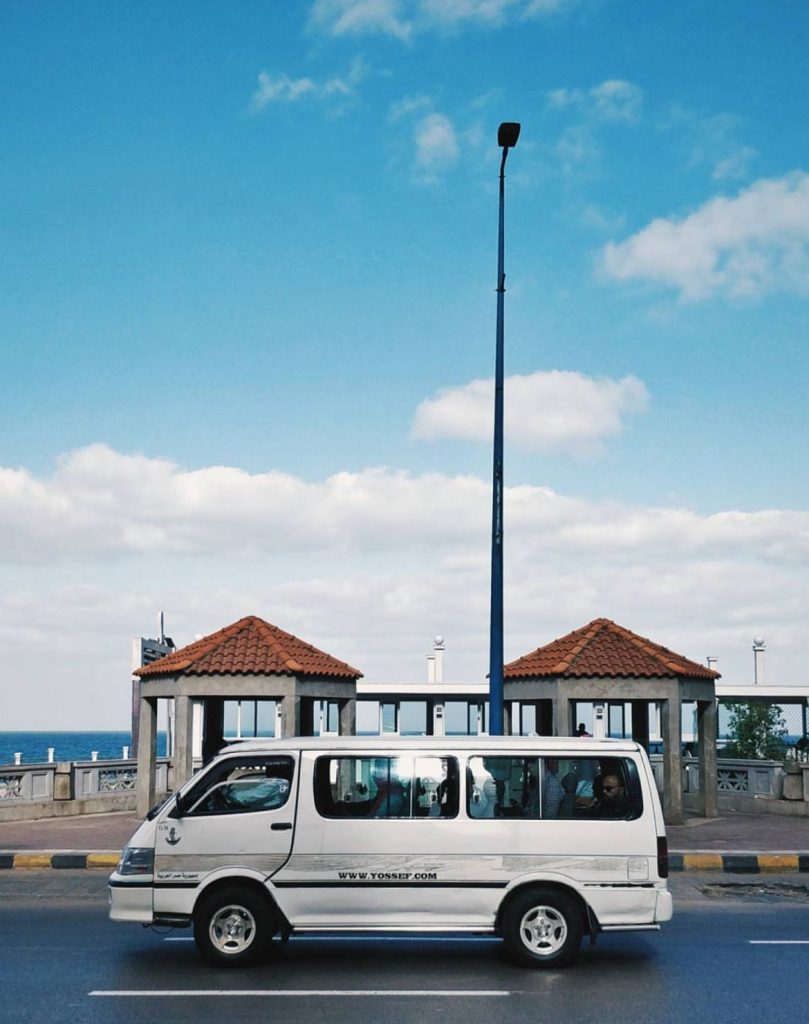
Mashro3 drivers are notorious. They smoke, they drive recklessly, they argue with passengers, and somehow still know exactly how much everyone owes down to the last coin. Their car, their rules. If they say the fare is a certain amount, that’s the end of the conversation or you’re finding a different mashro3 to take.
The music is always loud, usually George Wassouf, or something equally heartbreak-heavy. Loud enough that you don’t just hear it, you feel it bumping through you body. And yet, for all the chaos, there’s kindness. Someone forgets their wallet? “No problem.” Someone doesn’t have enough money? It’s handled quietly. No comments, no looks.
4. Seating Matters
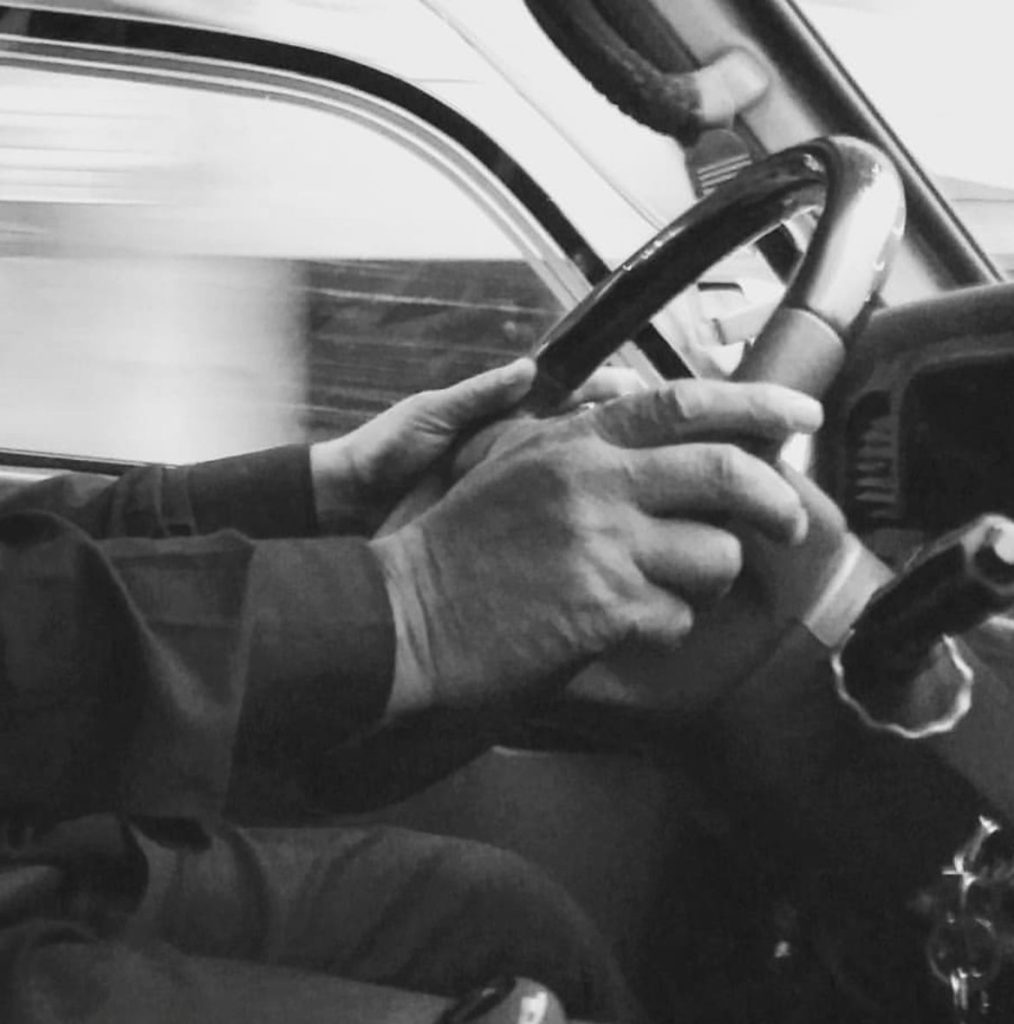
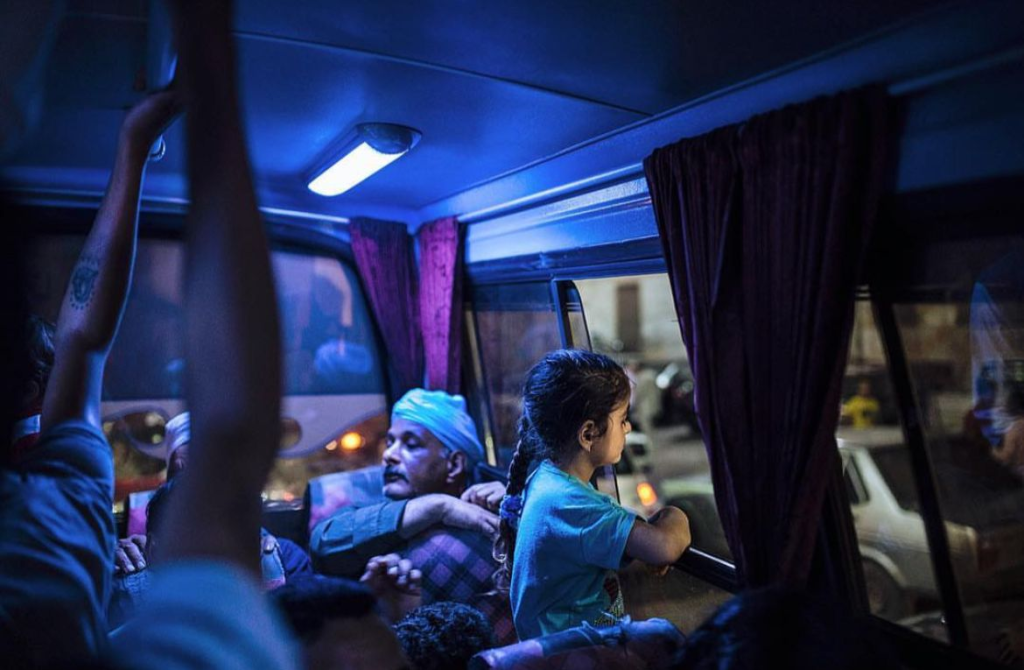
The back seat is uncomfortable, but most of us have spent years there anyway, pressed in like sardines in a can, feeling every bump in the road. The seat next to the driver is the dream. You might pay for two seats, but it feels like absolute luxury. Of course, it comes with responsibility: passing cigarettes and passing change between mashare3 while they’re both still moving.
Folding seats by the door are bad karma. You’ll be getting in and out more than you can count, banging your head against the roof each time. And if you sit right behind the driver, you’re suddenly in charge of collecting fares. You learn math fast. Or you learn humility.
5. Blinkers Don’t Exist… Kinda
Mashro3 drivers don’t use blinkers the way they’re supposed to. They don’t need to. Alexandrians learned to read movement, how a driver leans, how the bus slows, the exact moment before it swerves or stops. Blinkers exist, but mostly for road rage. A certain flash, a certain pattern to the blinkers, and you know a conversation is happening, just not a polite one. No words needed.
6. They Actually Wait
This is something people only notice when they leave Alexandria. In Cairo, microbuses don’t wait. You run for them, jump on mid-motion, miss them if you hesitate. Here, it’s different. Mashare3 wait. If you’re crossing the street, they wait. If you’re coming out of the underground tunnel, they wait. You’ll feel rushed, a little exposed, aware of the driver and the passengers watching, but they’ll still be there.
Conclusion
El-mashro3 is loud, imperfect, and deeply familiar. It carries students, workers, tired people, half-asleep people, and people mid-conversation. It’s uncomfortable and comforting at the same time. And long after you stop taking it every day, it stays with you, like a sound, or a route, or a habit you never fully forget.
WE SAID THIS: Don’t Miss…Alexandria’s Tram: What Keeps It at the Heart of the City