


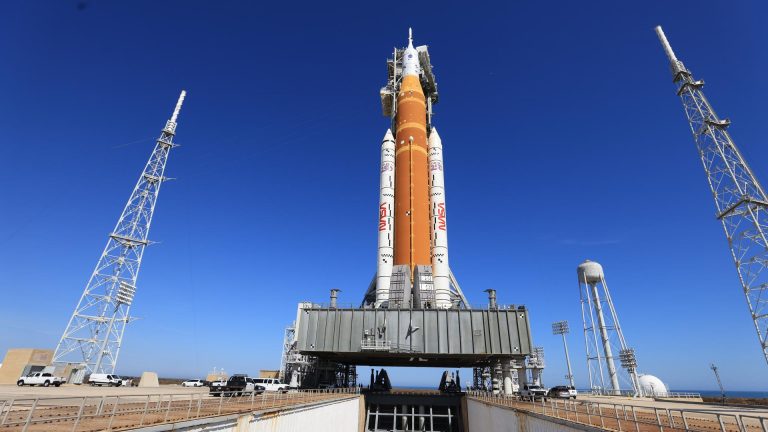
The Saudi Space Agency has announced the successful launch of its satellite, Shams, marking a major milestone for the Kingdom’s growing presence in space. The satellite was deployed as part of the Artemis II mission, with initial communication already established following launch. Here’s what to know about this Arab first—and what it means for the future of the space sector and Saudi Arabia’s role in it.
A First for the Arab World
With the launch of Shams, Saudi Arabia becomes the first Arab nation to participate in a mission under the Artemis program. The mission stands out as a series of firsts for Saudi Arabia. Shams is not only the first Arab satellite launched under the Artemis program, but also the Kingdom’s first mission dedicated specifically to space weather monitoring.
This global initiative aims to push forward scientific innovation and strengthen international partnerships, all while shaping the future of space exploration for humanity.
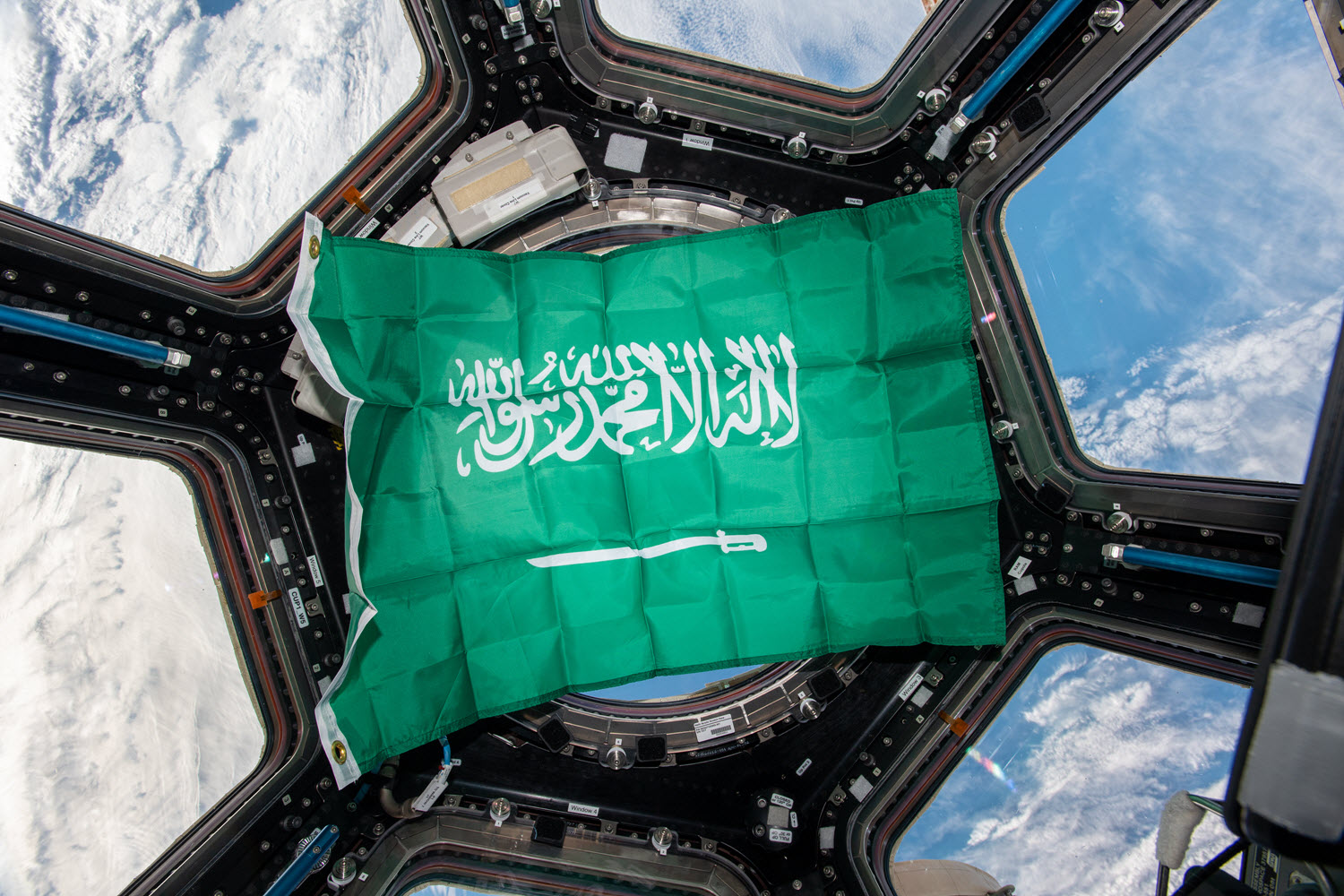
Built by Saudi Talent
Shams was developed locally by Saudi engineers and scientists, supported by initiatives under the National Industrial Development and Logistics Program.
This effort aligns with Saudi Vision 2030, which focuses on diversifying the economy and building national expertise in key industries, including space.

A Unique Orbit for Advanced Research
Shams will operate in a highly elliptical orbit, ranging from around 500 km to 70,000 km above Earth.
This wide-ranging orbit allows the satellite to monitor solar and radiation activity across a broad area, creating new opportunities for space weather research and scientific discovery.

What the Mission Will Study
The satellite’s main goal is to better understand space weather and its impact on Earth. It will focus on four key areas: space radiation, solar X-rays, Earth’s magnetic field, and high-energy solar particles. These areas are critical for understanding how solar activity affects our planet and technology.
The data collected by Shams will play an important role in improving the reliability of essential sectors such as communications, aviation, and navigation. By enhancing our understanding of space weather, the mission helps protect global infrastructure and ensures better operational readiness in systems we rely on every day.

A Vision for the Future
Dr. Mohammed bin Saud Al-Tamimi, Acting CEO of the Saudi Space Agency, reinforced its growing role in shaping the future of global space exploration.
This milestone reflects the Kingdom’s scientific and technological advancement under Vision 2030 and underscores its active role in developing advanced technologies and shaping the future of space for humanity.
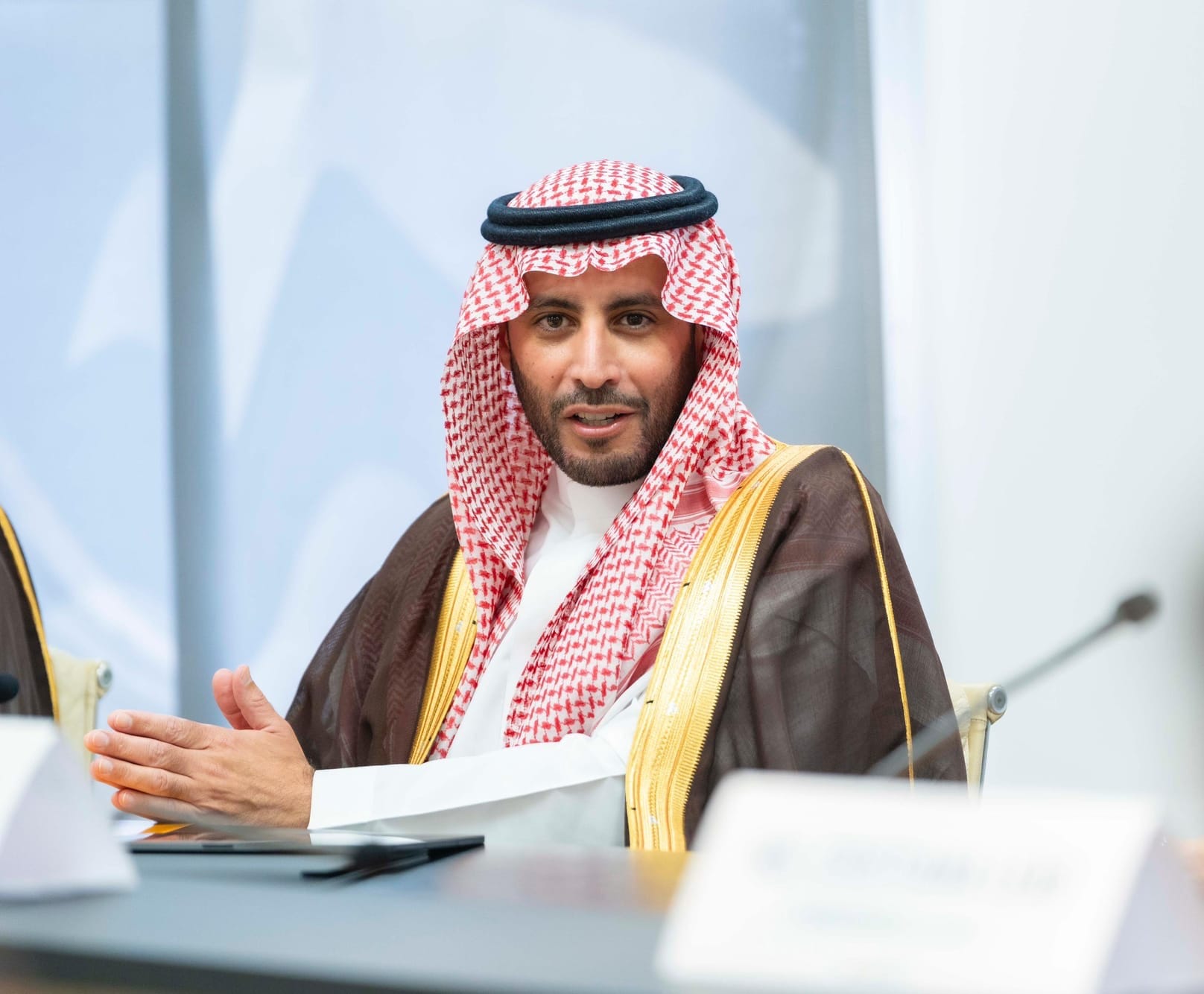
Saudi Arabia has made history as the first Arab nation to join the Artemis programme with the launch of its Shams satellite. This achievement underscores the Kingdom’s continuous advancement in the space sector and marks a significant step forward in realizing the goals of Vision 2030.
We Said This: Don’t Miss… UAE-Based Space Markets Launches World’s First Space Commodities Exchange