


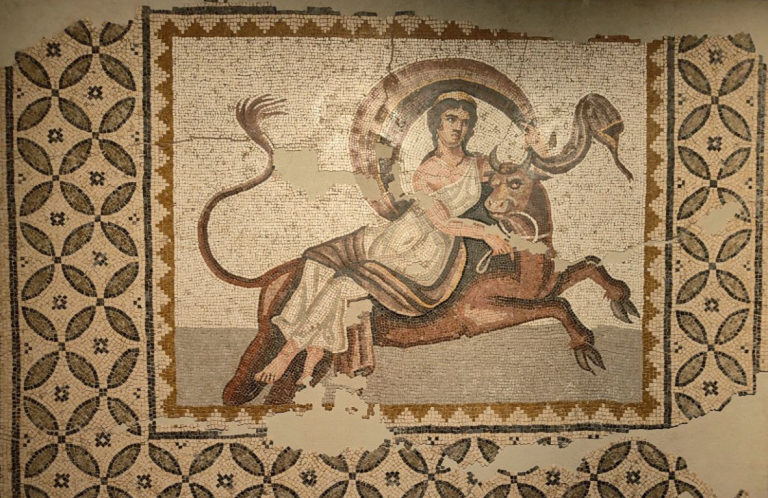
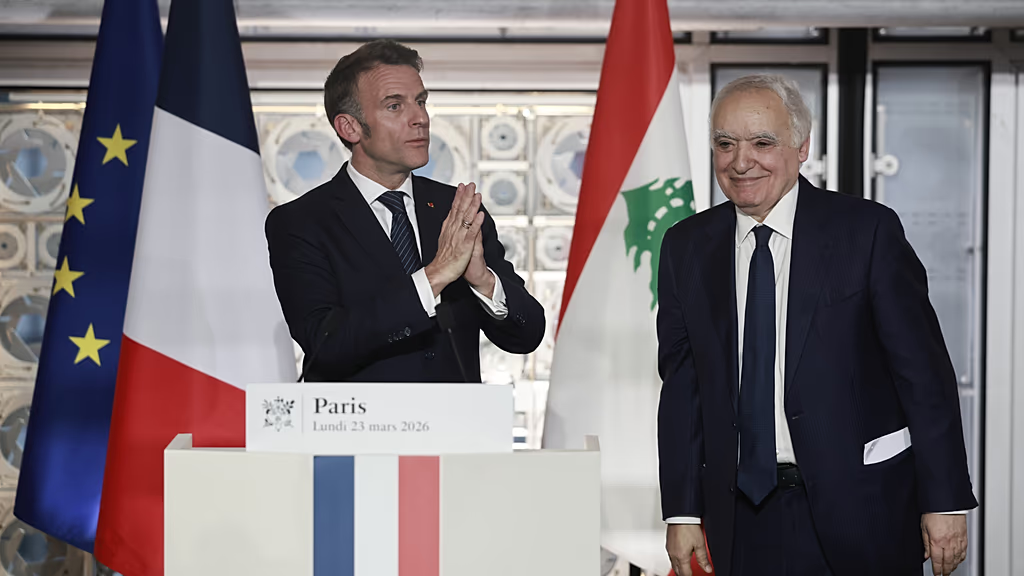
Paris got a little taste of ancient Lebanon this week as French President Emmanuel Macron opened the exhibition “Byblos: Lebanon’s Millennial City” at the Arab World Institute. Nearly 400 artefacts from one of the world’s oldest continuously inhabited cities—ranging from prehistoric tools to Bronze Age treasures—have made the journey from Beirut, braving literal bombs to reach the French capital. The exhibition runs until August 23, 2026, giving visitors months to explore Byblos’ rich history and its enduring cultural significance.
Byblos: Around 9000 Years of Heritage
Byblos, perched on Lebanon’s Mediterranean coast, has been inhabited since around 6900 BC. As the world’s first international port, it connected Egypt, Mesopotamia, and the Aegean, later becoming a crossroads for Phoenician and Roman civilizations. The exhibition invites visitors to trace this extraordinary history through artefacts that reveal the city’s life and culture across millennia.
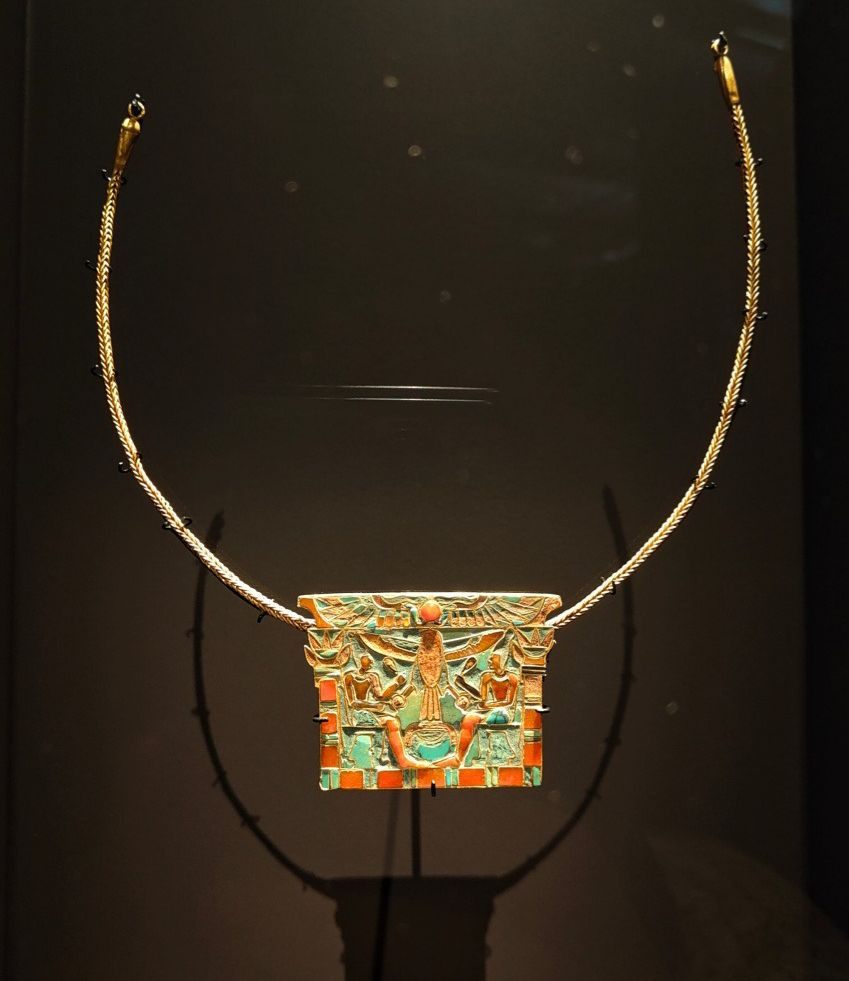
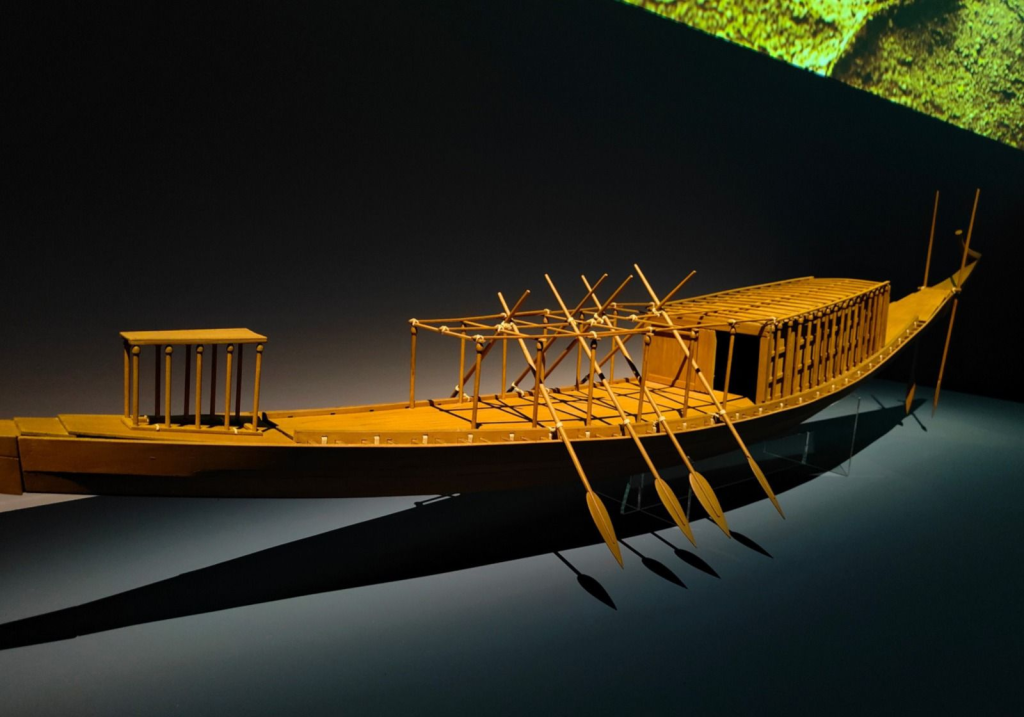
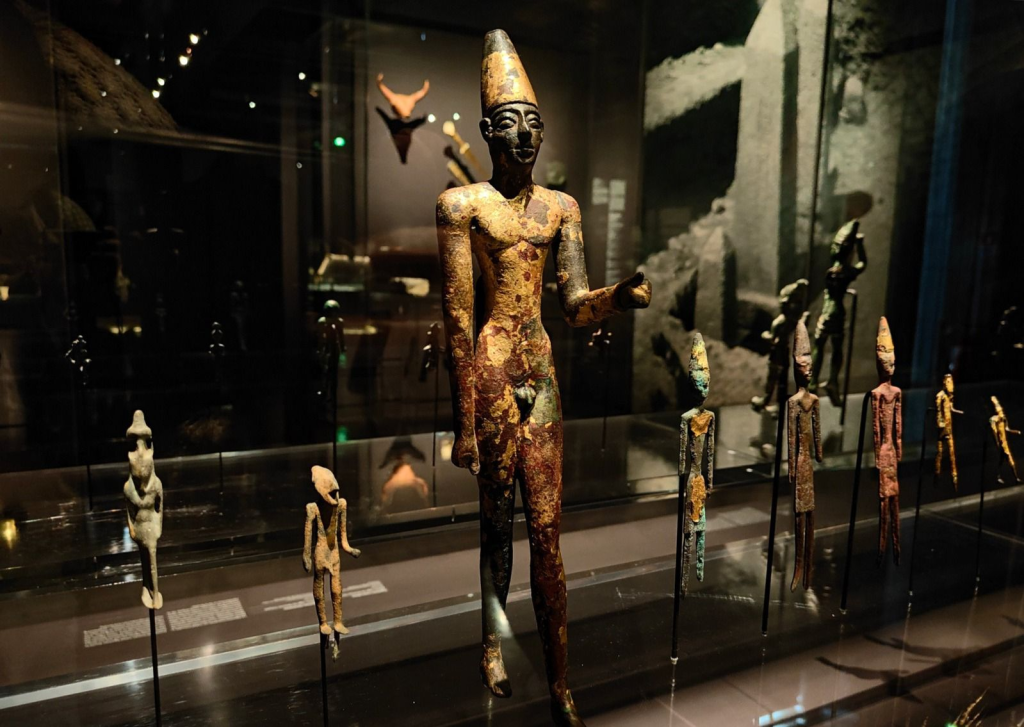
Among the treasures on display are funerary vases and Bronze Age jewelry, intricate temple objects, gold and silver tableware, and bronze or faience figurines. One of the most remarkable exhibits is an intact Bronze Age necropolis, housing the tombs of kings Abi-Shemou and Yapi-Shemou-Abi. These objects showcase how Byblos shaped early urban life, trade, and artistic expression, leaving a legacy that continues to define Lebanon’s identity.
Cultural Resistance in the Face of Conflict
Curator Tania Zaven calls the exhibition “a form of cultural resistance.” Some artefacts remain in Lebanon due to security risks, while empty display cases intentionally remind visitors of the fragility of preserving history in a war zone.
Politics and Heritage Intertwined
Macron’s opening speech went beyond archaeology, directly addressing the ongoing conflict in Lebanon. He stated:
“At a time that certain people want to have us believe that security can only be achieved by invading a scary neighbour, Lebanon reminds us of just one thing: the force of universalism.”
He added, “No occupation, no form of colonization, neither here, nor in the West Bank, nor anywhere else, can guarantee anyone’s safety,” situating Byblos as a symbol of resilience and a reminder of the enduring value of cultural heritage, even amid violence and displacement.
Visit Byblos in Paris
“Byblos: Lebanon’s Millennial City” offers visitors a journey through thousands of years of human ingenuity, cultural exchange, and survival. Through its treasures, the exhibition demonstrates that even in the face of modern chaos, history can travel across borders, inspiring reflection, hope, and admiration for a civilization that has endured nearly 9,000 years.
WE SAID THIS: Don’t Miss…Israel and Lebanon’s Decades of War: A Full Breakdown