



The conflict between the United States and Iran is intensifying, and the Strait of Hormuz has become the center of the crisis. This narrow waterway between Iran and Oman carries about one-fifth of the world’s oil, making it one of the most important shipping routes on the planet.
As fighting escalates, reports of naval mines, attacks on ships, and U.S. airstrikes have raised serious concerns about global energy supplies and maritime safety.
U.S. Military Strikes Mine-Laying Vessels
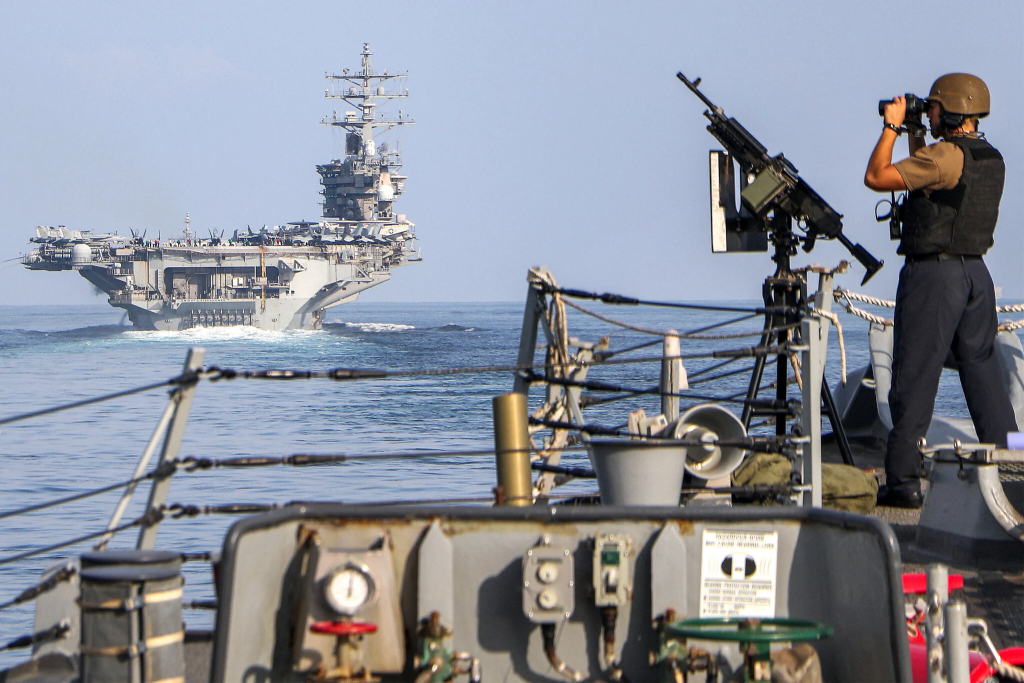
The U.S. military carried out strikes targeting Iranian vessels believed to be capable of laying naval mines in the Strait of Hormuz. According to the United States Central Command, American forces destroyed 16 Iranian boats linked to mine-laying operations near the key shipping lane.
U.S. officials said the strikes were aimed at eliminating threats to commercial shipping in the strait, which has become increasingly dangerous since the start of the war.
The Warning That Came First
Before the strikes took place, Trump issued a direct warning to Iran, demanding that any naval mines in the waterway be removed immediately.
In a post on Truth Social, he wrote: “If Iran has put out any mines in the Hormuz Strait, and we have no reports of them doing so, we want them removed, IMMEDIATELY!” He also warned that if mines were discovered and not removed quickly, “the Military consequences to Iran will be at a level never seen before.”
Trump later emphasized that the United States had strong naval forces in the region and the best equipment available to detect and clear mines from the strait.
Iran’s Military Presence in the Strait
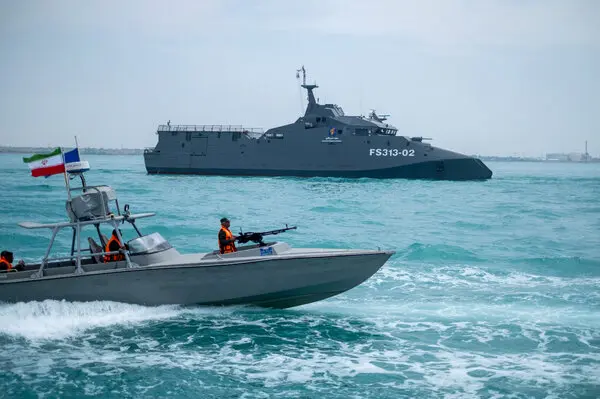
Much of Iran’s activity in the strait is controlled by the Islamic Revolutionary Guard Corps, which operates alongside the country’s navy. The force has the capability to deploy mine-laying boats, explosive-laden speedboats, and shore-based missile systems.
U.S. intelligence believes Iran has already begun laying a limited number of mines in the waterway—so far, only a few dozen. However, officials say Iran still retains most of its mine-laying capability and could deploy hundreds if it chooses.
Iran has also warned it could block oil exports from the region entirely, saying it would not allow “even a single liter” of oil to reach its enemies.
Since the war began after U.S. and Israeli strikes on Iran on February 28, the strait has effectively been closed to many oil tankers.
Ships Use Creative Signals to Avoid Attacks
With the Strait becoming increasingly dangerous, some commercial ships are using unusual tactics to avoid being targeted.
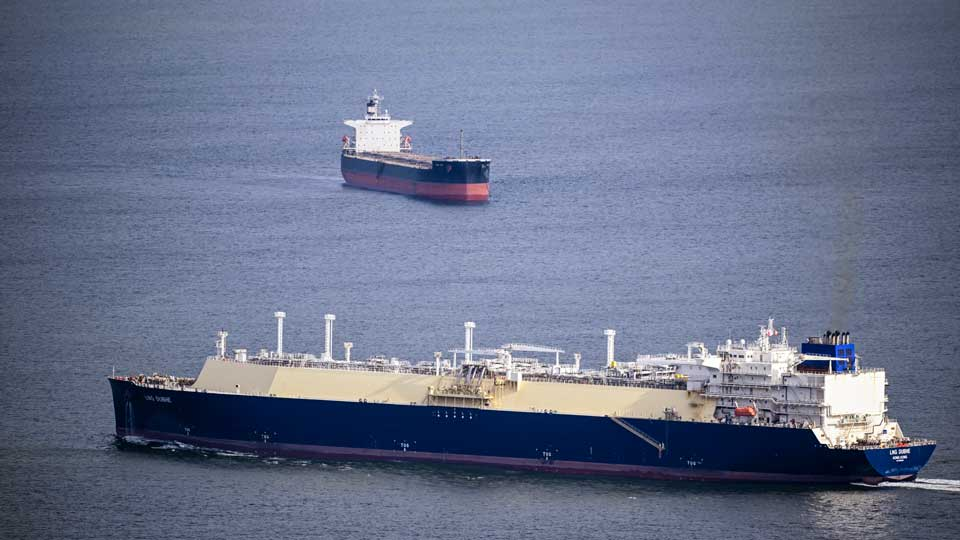
Shipping data shows that around 30 vessels in the Gulf changed their AIS tracking signals to claim connections to China, Iran’s key economic partner. Some ships broadcast messages saying they had “all-Chinese crew,” while others listed “Chinese owner” as their destination.
A few vessels even signaled Turkish ownership or described themselves as “Muslim” in hopes of avoiding attacks.
Rising Risks for Global Shipping
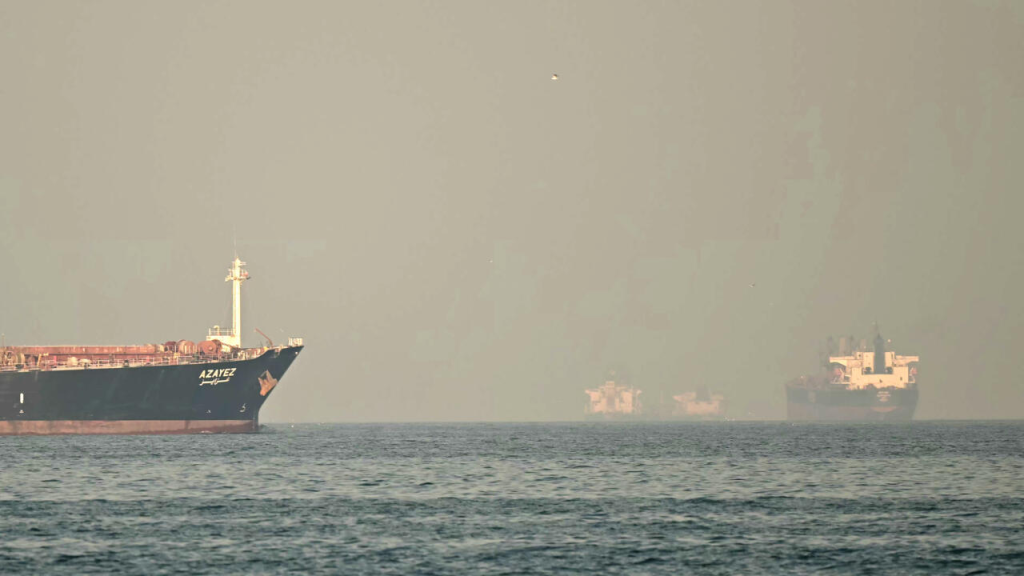
The danger in the Strait is already affecting ships. At least ten vessels have been attacked since the conflict began. In the latest incident, a projectile struck a cargo ship north of Oman, setting it on fire and forcing the crew to evacuate, according to the United Kingdom Maritime Trade Operations monitoring center.
With oil prices climbing above $100 per barrel and tensions continuing to rise, the Strait of Hormuz is quickly becoming one of the most volatile flashpoints in the global economy.
Conclusion
The crisis in the Strait of Hormuz shows how quickly regional conflict can disrupt global trade and energy supplies. After warning Iran about possible naval mines, the United States followed through with strikes on vessels linked to mine-laying operations.
As both sides signal they are prepared to escalate further, the safety of one of the world’s most important shipping routes remains uncertain. For now, ships crossing the strait are navigating not only narrow waters, but an increasingly tense geopolitical showdown.
WE SAID THIS: Don’t Miss…The Strait of Hormuz Explained: What’s at Stake in the Iran-Israel Conflict