


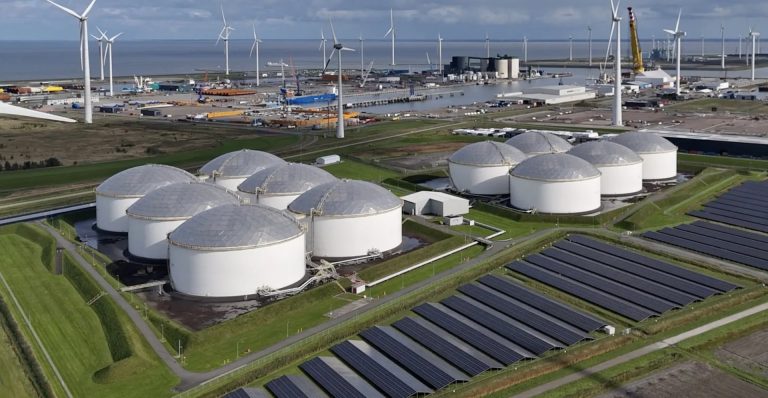
Iran’s retaliatory strikes on Gulf states have escalated into a direct threat to some of the world’s most important oil and gas export hubs, significantly raising the risk to global energy markets. Attacks on major facilities have forced shutdowns of key infrastructure, including Saudi Arabia’s Ras Tanura oil refinery and export terminal, one of the kingdom’s largest energy centers.
Disruptions in and around the Strait of Hormuz, the strategic chokepoint through which roughly one-fifth of global oil flows, have compounded these risks and underscored how sensitive markets are tophysical threats to infrastructure.
These are the Key energy facilities impacted by Iranian attacks.
UAE’s Musaffah Fuel Tank Terminal
Abu Dhabi media office announced that a fire broke out after the Musaffah fuel tank terminal in the United Arab Emirates was targeted by a drone, without impacting its operations. They added that authorities have responded today to a fire resulting from the targeting of a Musaffah fuel tank terminal by a drone and the situation was promptly contained.
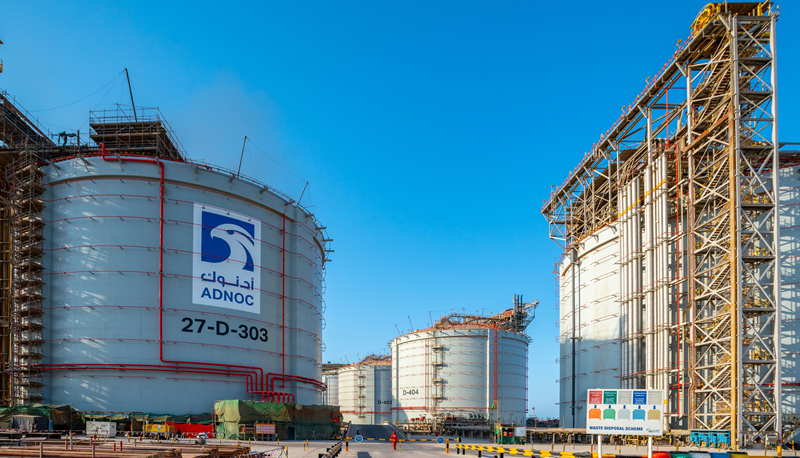
Abu Dhabi National Oil Company (ADNOC) operates a facility in Musaffah from which fuel is transported by trucks, while a 1,600-kilometre pipeline network distributes finished products across the emirate of Abu Dhabi.
Oman’s Duqm Port
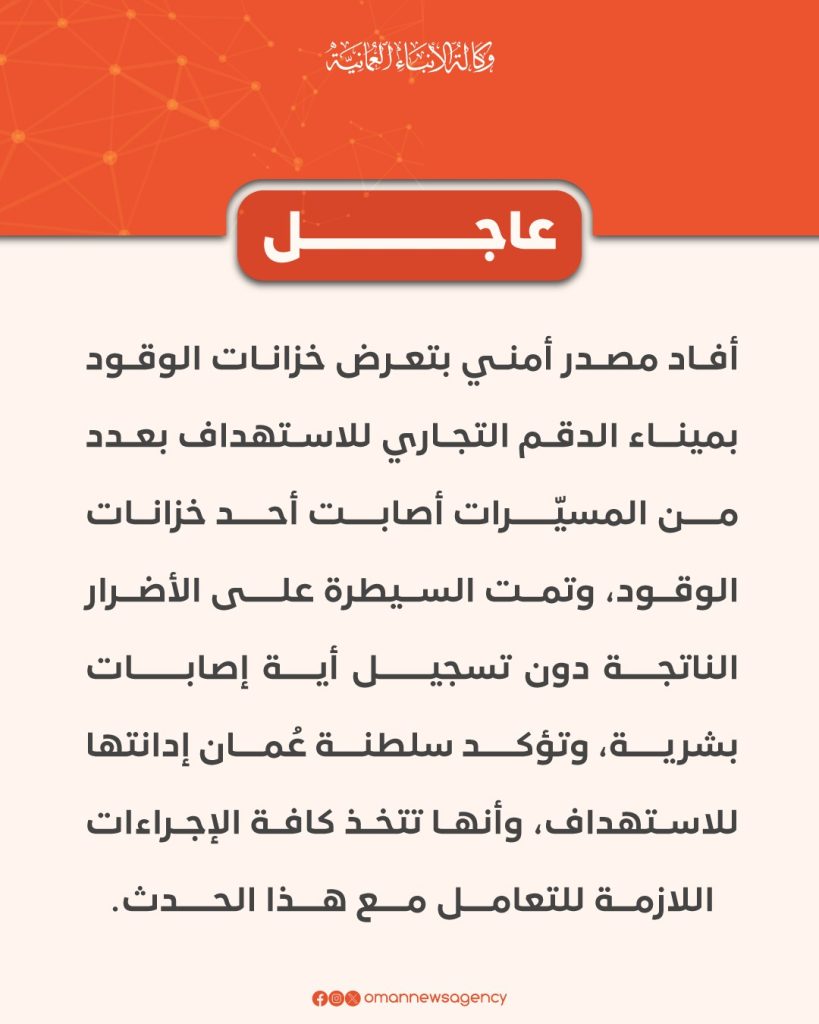
On Tuesday, the state news agency said a fuel tank at Oman’s Duqm commercial port was hit when the facility came under attack from several unmanned aircraft. The resulting damage at Duqm was contained, and no casualties were recorded, Oman’s news agency added.
Duqm, located on Oman’s southeastern coast along the Arabian Sea, is a key commercial and industrial hub and hosts major energy and logistics infrastructure.

Qatar’s Ras Laffan Industrial City
Qatar, one of the world’s largest liquefied natural gas producers, halted LNG and related output after strikes on facilities in Ras Laffan. State-owned QatarEnergy, 82% of whose clients are Asian, was set to declare force majeure on its LNG shipments after Iranian drone attacks on facilities in the sprawling Ras Laffan complex.
Qatari LNG production is equivalent to about 20% of global supply and plays a major role in balancing both Asian and European markets’ demand for the fuel.

Kuwait’s Mina Al Ahmadi Refinery
Two workers were injured after debris fell at the Al-Ahmadi Refinery during Iranian missile and drone attacks. In a statement reported by the Kuwait News Agency, Ghanem al-Otaibi, spokesperson for Kuwait National Petroleum Company, said refinery operations were not affected, and no disruptions were recorded.
He said precautionary measures were taken to ensure the safety of personnel and facilities, which sustained no material damage.
The refinery holds a capacity of 346,000 bpd and is part of Kuwait National Petroleum Company (KNPC), one of the world’s top refiners

Saudi’s Ras Tanura Oil Refinery
The Saudi Ministry of Defense reported that two drones attempting to strike the Ras Tanura refinery were intercepted and destroyed. The refinery, owned by Saudi Aramco, was temporarily shut down as a precautionary measure after the attack. This step comes as part of efforts to ensure the safety of workers and facilities.
The refinery holds a capacity of 550,000 bpd and serves as a critical export terminal, handling a significant share of Saudi crude exports to key markets in Europe and Asia.

We Said This: Don’t Miss… What to Know About the Ras Tanura Oil Refinery