


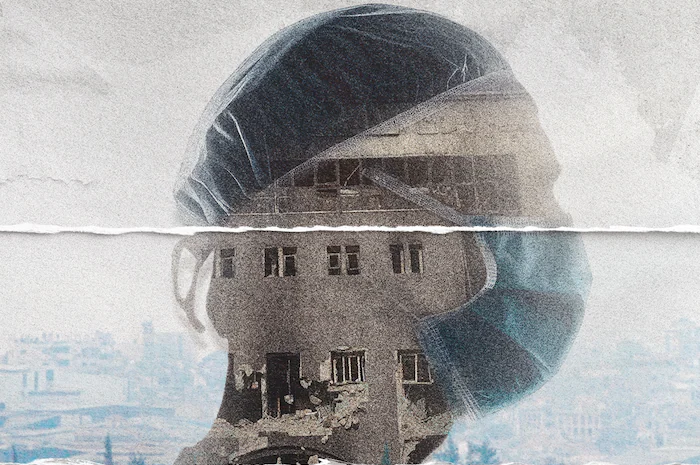
Few stories capture the tension between journalism, politics, and public accountability quite like Gaza: Doctors Under Attack. What began as a commissioned investigation into the realities faced by medical workers in Gaza has since evolved into something even larger: a debate about perceived impartiality, and the responsibilities of major broadcasters.
Now, with the film earning recognition at the BAFTA TV Awards, its journey—from BBC backing to rejection, and eventual release elsewhere—feels even more significant than originally anticipated.
BAFTA Recognition
Gaza: Doctors Under Attack has just been nominated in the Current Affairs category at this year’s BAFTA TV Awards.
A film that was once considered somewhat controversial for broadcast by its original commissioner is now being recognized as one of the most significant current affairs works of the year. The nomination reinforces the idea that the documentary has clear journalistic and cultural weight.
The Decision to Drop the Documentary
The BBC has framed its decision not to air the documentary as a matter of maintaining impartiality—but the full picture is more layered than a single explanation.
The film itself was produced by Basement Films, an independent company, and according to its makers, underwent extensive compliance checks and repeated rounds of fact-checking over a prolonged production process. Multiple release dates reportedly came and went, suggesting a project that had already been rigorously scrutinised from within before ultimately being shelved.
Political and Public Pressures
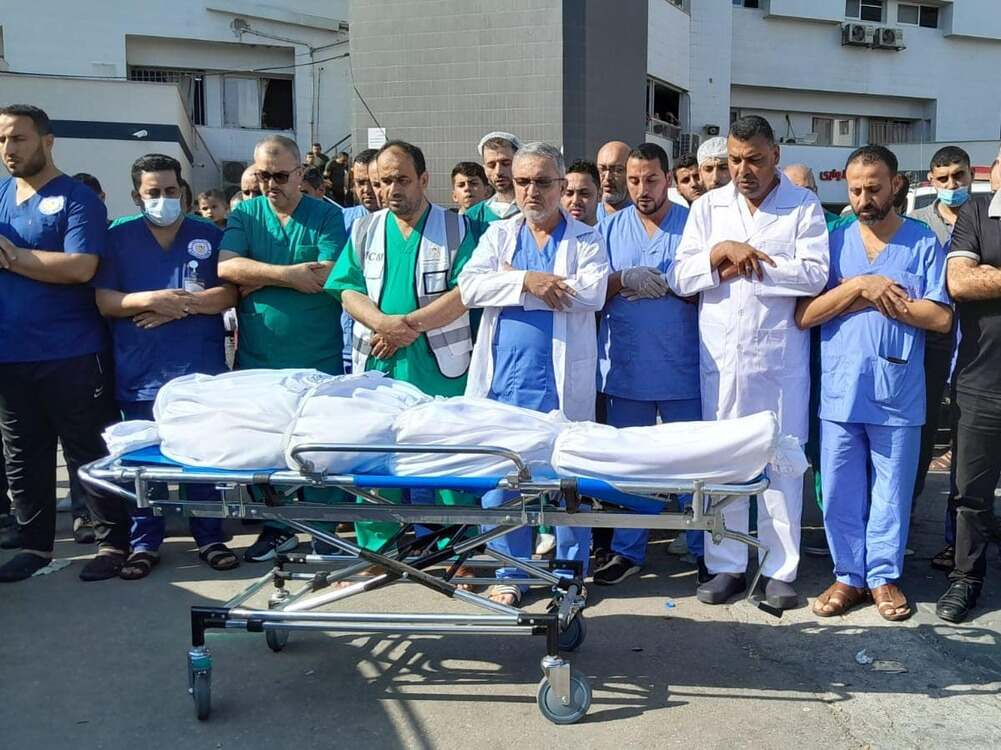
Part of the backdrop was the fallout from another Gaza-related documentary, Gaza: How to Survive a War Zone, which had been placed under review and ultimately taken down following claims it breached editorial standards. In that already tense climate, Gaza: Doctors Under Attack became a more sensitive proposition.
At the same time, the timing of public comments by Ben de Pear, the company’s founder, and Ramita Navai, one of the film’s directors, appears to have factored into the final decision. Navai described Israel as having “become a rogue state that’s committing war crimes and ethnic cleansing and mass murdering Palestinians,” which intensified the already charged atmosphere surrounding the film.
In that context, the BBC was no longer weighing only the documentary itself, but the broader conversation around it and how all of it might be received.
Taken together, it wasn’t one single trigger but a convergence of pressures: institutional caution after earlier backlash, the political volatility of the subject matter, and the wider scrutiny surrounding coverage of Gaza.
What the Documentary Shows
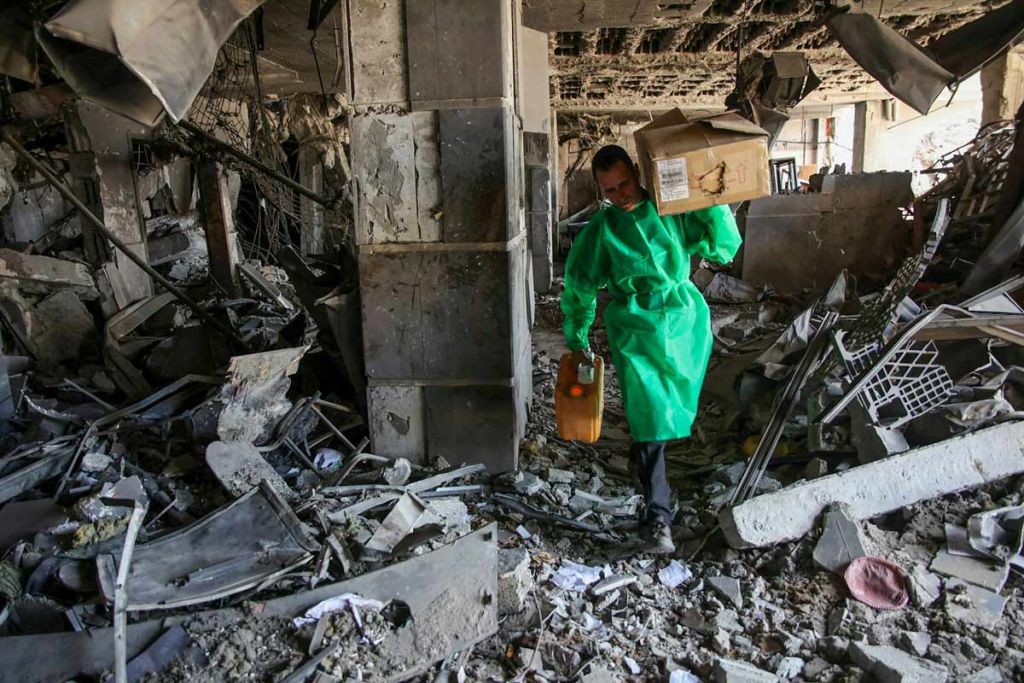
Stripped of the surrounding noise, the film itself is stark and methodical. It builds its case gradually, focusing on the lived experiences of doctors working inside Gaza’s overwhelmed healthcare system.
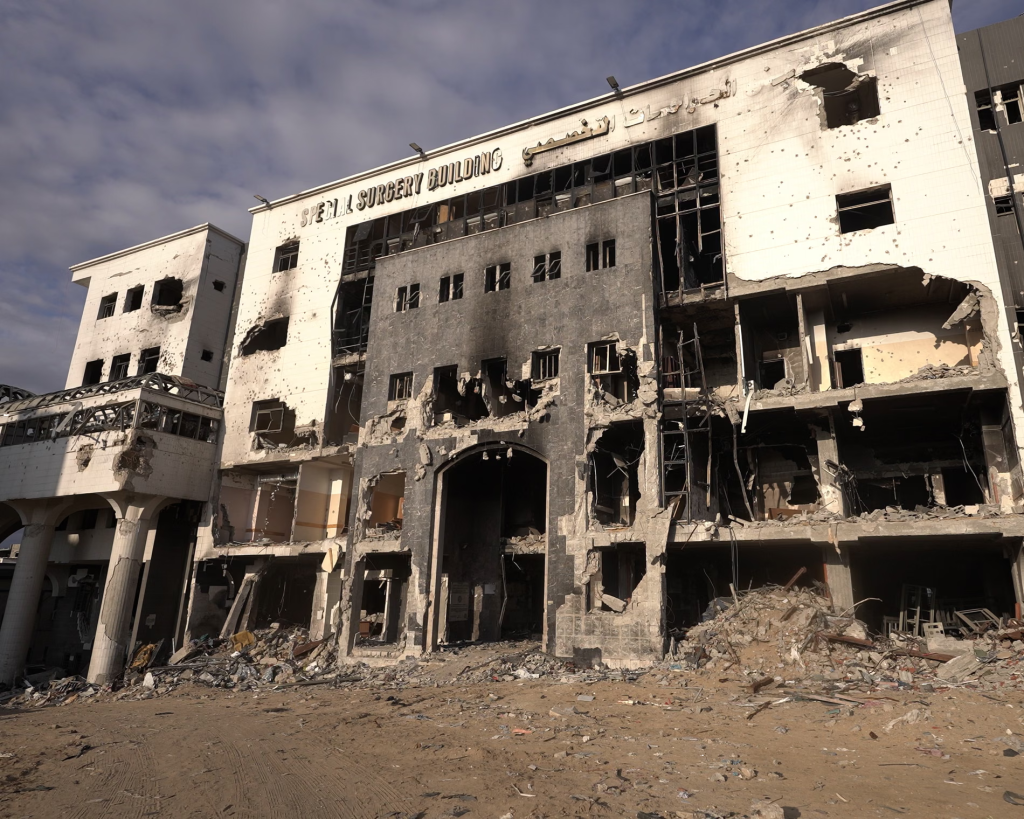
At its core is a recurring pattern that the documentary tries to map out with clarity. Hospitals, it suggests, are subjected to a sequence: initial bombardment, followed by siege conditions that cut off electricity, water, and supplies; then ground incursions involving raids, detentions, and the systematic dismantling of medical infrastructure. Once a facility is rendered non-functional, attention shifts—and the cycle begins again elsewhere.
The argument is that this is not only about physical destruction, but about capacity. Buildings can, eventually, be rebuilt. But a healthcare system depends on trained professionals, experience, and continuity, things that are far harder to restore once disrupted at scale.
The most powerful moments come from individual testimonies. Doctors recount personal loss, detention, and alleged abuse, offering a human dimension to what might otherwise feel like an abstract pattern. These stories are woven into the broader claim that Gaza’s medical system is being steadily worn down over time.
At the same time, the documentary makes visible efforts to situate these accounts within the wider conflict, incorporating context and responses where possible. That balance is part of its structure, even as the material it presents remains deeply unsettling.
Conclusion
In the end, Gaza: Doctors Under Attack exists in two parallel conversations. One is the film itself: a harrowing, detail-driven account of life for medical workers in a war zone. The other is the story of how that film nearly didn’t reach the public at all.
Its BAFTA TV Awards nomination suggests that, as a piece of journalism, it has already made an impact. But the circumstances surrounding its release may prove just as lasting.
Because beyond the images and testimonies, the bigger question lingers: when reporting on the most contentious issues of our time, what matters more, avoiding the perception of bias, or ensuring that difficult stories are told?
WE SAID THIS: Don’t Miss…Meet Ali Al Turk & Mohammed Harar: Two Doctors Stitching Away Gaza’s Atrocities