


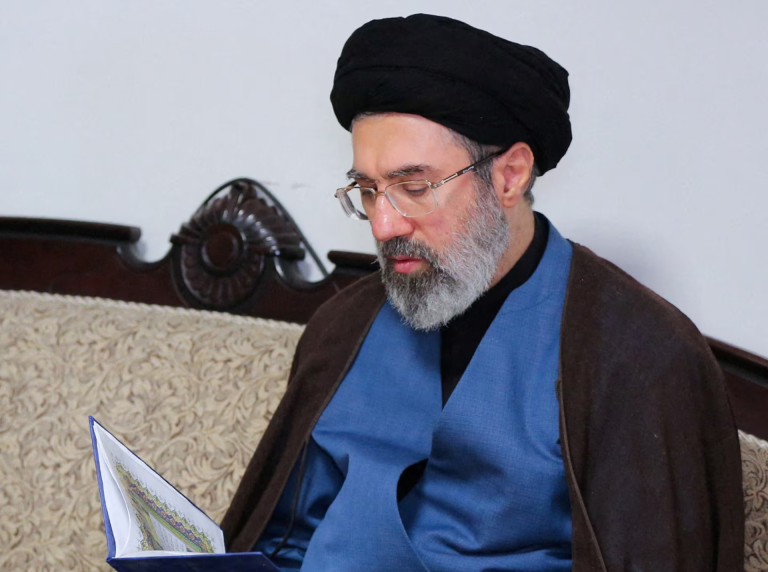
Mojtaba Khamenei has become Iran’s new supreme leader following the death of his father, Ali Khamenei, in U.S.–Israeli strikes. His appointment places him at the center of Iran’s political and religious leadership at a moment of intense regional conflict.
For most of his life, Mojtaba remained a largely private figure. Unlike many senior Iranian officials, he rarely appeared publicly, held no official government position, and avoided speeches or interviews. Even so, his name had circulated for years in discussions about the country’s internal power structure and the question of who might eventually succeed his father.
Early Life and Education
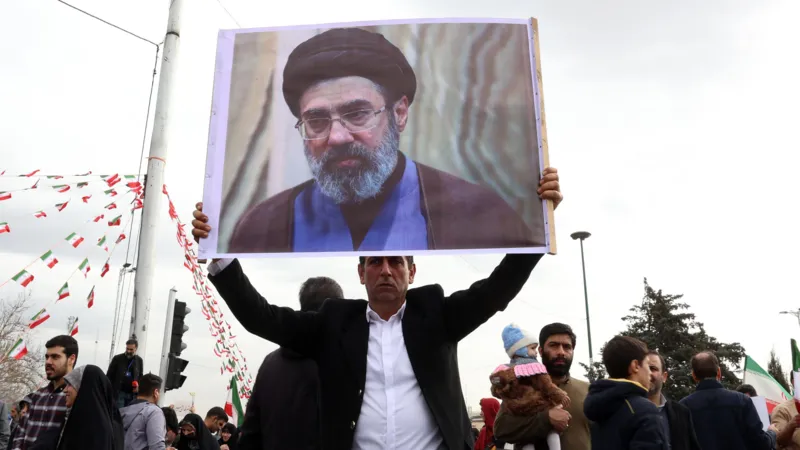
Mojtaba Khamenei was born on 8 September 1969 in Mashhad, one of Iran’s most important religious cities. He is the second of six children in the Khamenei family and spent his early years studying in Tehran, including at the Alavi religious school.
As a teenager, he reportedly served for short periods during the Iran–Iraq War.
Later in life he moved to Qom, widely known as the center of Shiite religious scholarship in Iran. There he pursued seminary studies beginning in the late 1990s, starting his advanced religious education later than many clerics who enter that path at a younger age.
Religious Standing
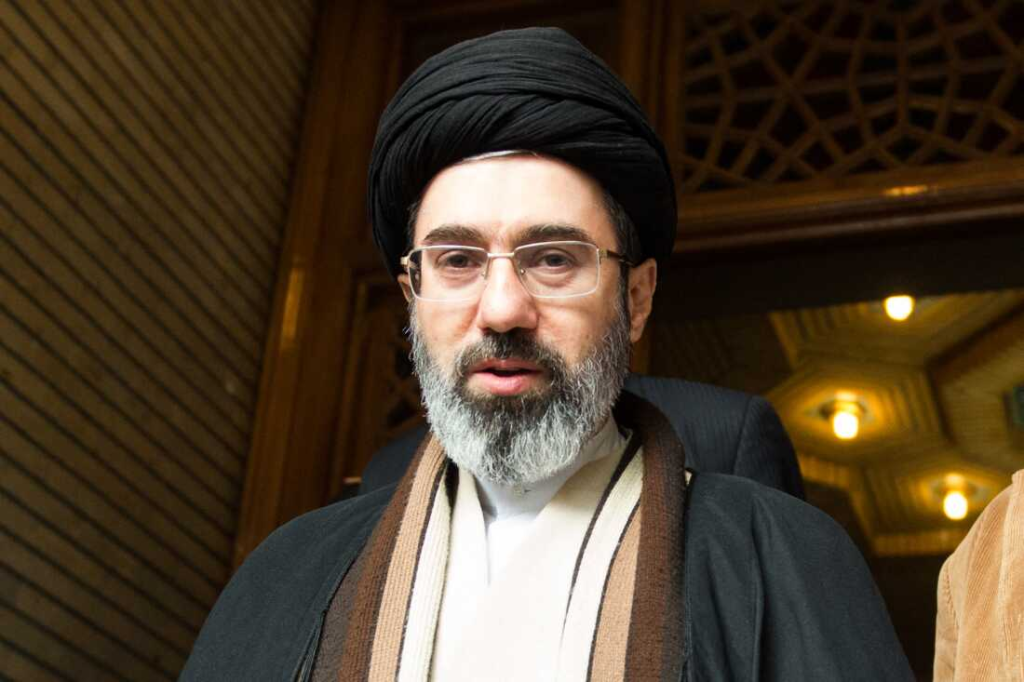
Within Iran’s clerical hierarchy Mojtaba Khamenei has generally been regarded as a mid-ranking cleric. In recent years, however, some figures close to Iran’s political establishment began referring to him as an “Ayatollah,” a senior religious title associated with leading scholars of Shiite Islam. Some analysts saw this as a move to boost his religious credentials and frame him as a legitimate and authoritative leader.
In Iran’s system of governance, the supreme leader is expected to possess significant religious authority and knowledge of Islamic law. Titles like “Ayatollah” signal that level of scholarly recognition. In practice, such status is often shaped within clerical circles themselves, and it has precedent: when Ali Khamenei became supreme leader in 1989, his own clerical rank was elevated soon after.
Reputation Within Iran’s Power Structure
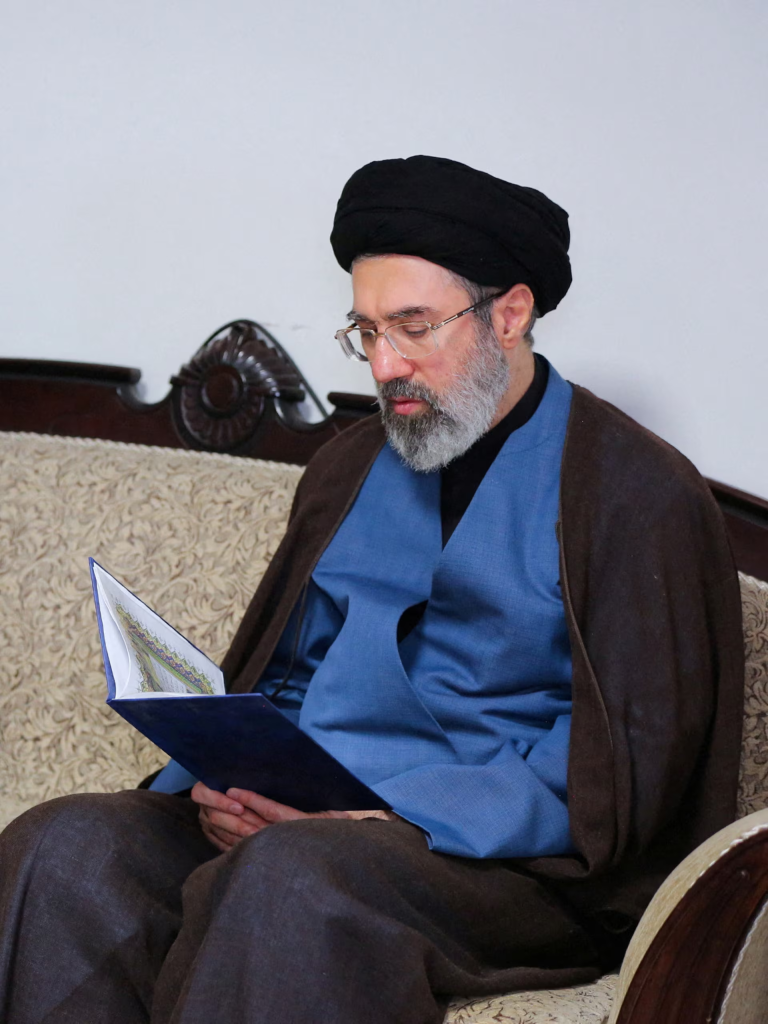
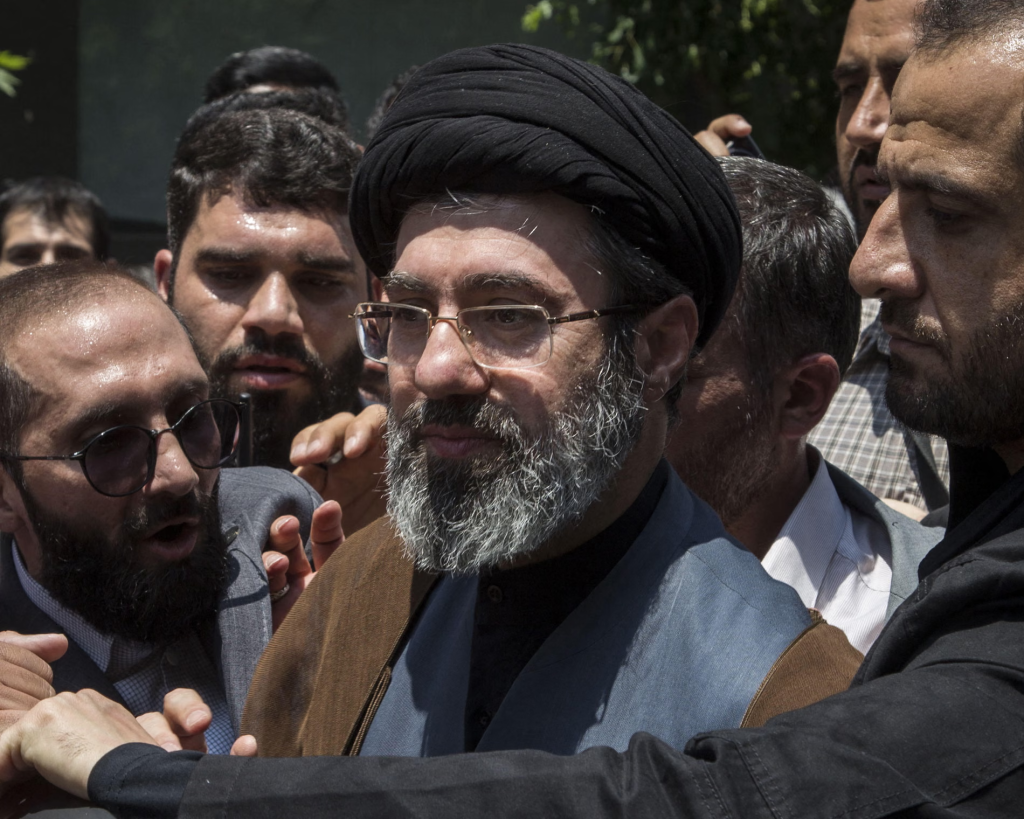
Although Mojtaba rarely appeared in public political life, his name surfaced periodically in discussions about influence inside the Iranian system. Diplomatic cables later released by WikiLeaks described him as a powerful figure operating largely behind the scenes, sometimes referred to as “the power behind the robes.”
Part of that reputation stemmed from his reported connections with the Islamic Revolutionary Guard Corps (IRGC), one of the most influential institutions in Iran, with significant military, economic, and political influence.
The Question of Hereditary Leadership
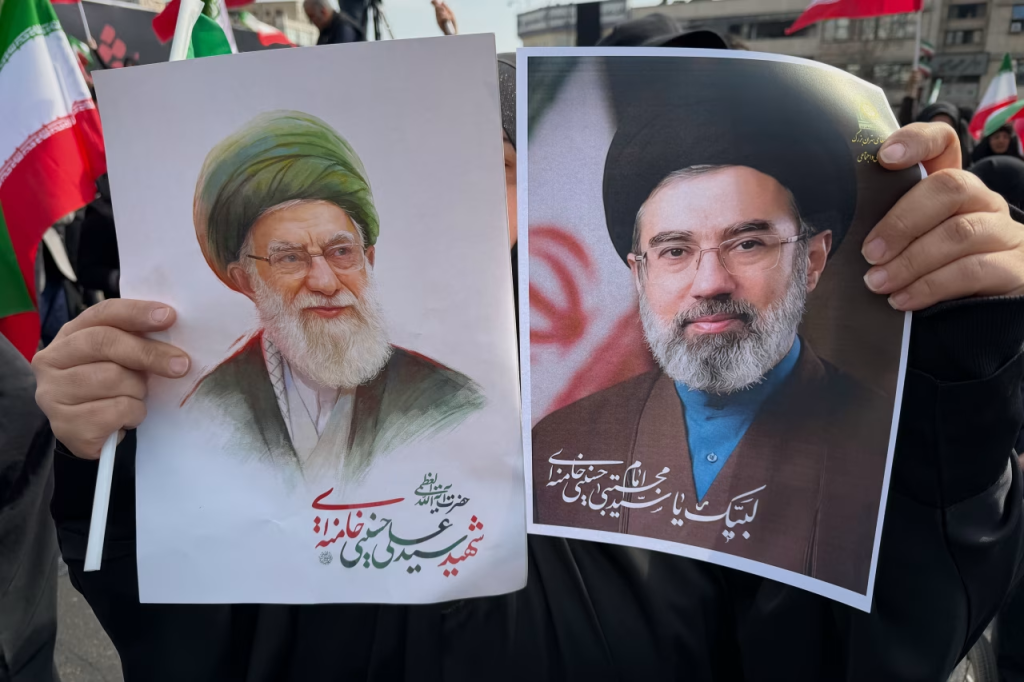
Mojtaba Khamenei’s rise has also revived debate about whether Iran’s leadership could begin to resemble a hereditary system. The Islamic Republic was founded after the Iranian Revolution of 1979, which replaced a monarchy with a system centered on religious authority rather than dynastic succession.
Because of that history, the idea of a supreme leader being followed directly by his son carries symbolic importance and raises the question of monarchy once more. While the constitution requires the leader to be chosen by the Assembly of Experts, the situation has nevertheless sparked discussion about how leadership transitions may evolve in the future.
Personal Loss
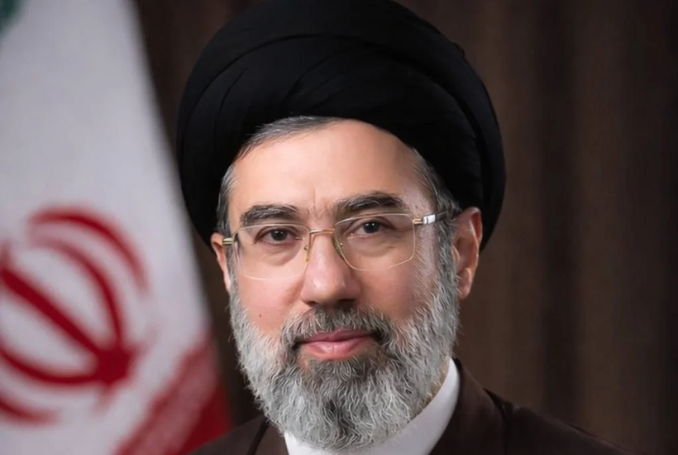
Mojtaba Khamenei assumes leadership after a period of intense personal tragedy. On the first day of the joint U.S.–Israeli strikes, his wife and, reportedly, one of his children were killed. In addition, he lost his father, Ali Khamenei, the previous supreme leader. These events place his ascent to power against a backdrop of both national crisis and profound personal grief, shaping the emotional and symbolic context of his leadership.
Rising Tensions with the United States
Mojtaba Khamenei’s selection has already provoked sharp reactions abroad, particularly from the United States. President Donald Trump called him an “unacceptable” choice and issued a pointed warning about Iran’s new leader. Speaking to ABC News, Trump said:
“If he doesn’t get approval from us, he’s not going to last long. We want to make sure that we don’t have to go back every 10 years, when you don’t have a president like me that’s not going to do it.”
The remarks highlight the tense international environment surrounding Iran’s leadership transition, reflecting ongoing friction between Tehran, Washington, and Israel.
Conclusion
Mojtaba Khamenei enters Iran’s highest office as a relatively little-known figure to the outside world but one long associated with the country’s internal power networks. His leadership begins at a moment defined by conflict abroad, pressure at home, and debate about the direction of the Islamic Republic. How he navigates those challenges will likely shape Iran’s political trajectory in the years ahead.
WE ALSO SAID: Don’t Miss…Ayatollah Khamenei: The Man Behind Three Decades of Iranian Power