


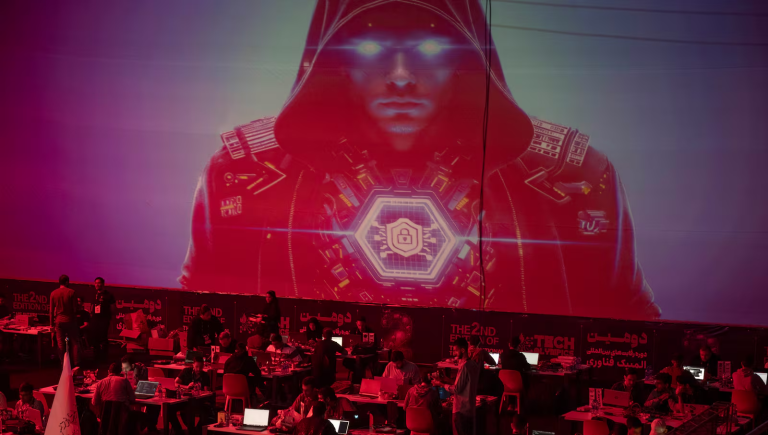
A reported breach of FBI Director Kash Patel’s personal email account has drawn global attention, but it is only one piece of a much larger and evolving cyber landscape. While early coverage has emphasized that the exposed material was old and non-sensitive, viewing this incident in isolation misses the broader pattern. Recent months have seen a clear rise in cyber operations linked to Iran and its aligned groups, pointing to a sustained and coordinated digital strategy rather than disconnected events.
The Patel Email Breach
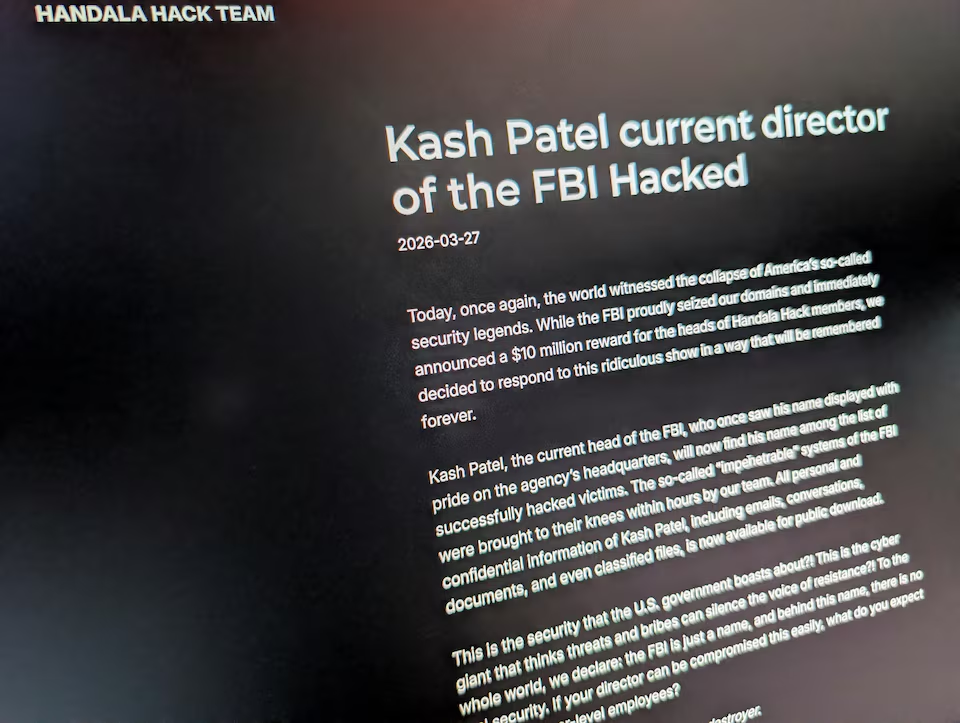
A group known as the Handala Hack Team claimed responsibility for accessing FBI Director Kash Patel’s personal email and releasing emails, documents, and photos. The FBI confirmed the targeting but stated the data was “historical” and did not involve classified information. Much of the material appears to date back years, and full independent verification remains limited.
Even so, the significance lies less in the content itself and more in the exposure. Targeting a high-ranking official—regardless of the data’s age—ensures visibility and reinforces the idea that even senior figures are not out of reach.

A Wider Campaign
This incident sits within a broader wave of cyber activity. Investigators have tracked thousands of cyberattacks linked to Iran-aligned groups in recent months, with some estimates pointing to nearly 5,800 attacks carried out by dozens of groups. These operations have targeted companies, infrastructure, and individuals across multiple countries, often focusing on sectors like healthcare, defense, and technology.
One of the most significant attacks attributed to Handala hit Stryker, a major U.S. medical technology company serving clients including the UK’s NHS. Thousands of employees were locked out of their systems, disrupting critical equipment and delaying surgeries.
Also, Israeli authorities say it has launched thousands of wiper attacks on Israeli companies, successfully hitting about 50.
Cyber Attacks Meet Real-World Events
One of the more striking developments is how cyber tactics are being integrated with real-world events. In one reported case, individuals in Israel received text messages during a missile attack that appeared to offer real-time information about nearby bomb shelters. Instead, the links installed spyware, granting access to devices’ cameras, locations, and stored data.
The timing of these messages—coinciding with the strikes—points to a level of coordination that goes beyond traditional hacking, reflecting a shift where digital tools are used alongside physical operations.

Strategy and Timing
Many of these cyber activities are not designed for maximum immediate damage. Instead, they emphasize visibility, frequency, and psychological effect. Even lower-impact attacks, when carried out at scale, can create a sense of constant pressure.
The possibility that some of the Patel-related material comes from an older breach also highlights the importance of timing. In modern cyber operations, when information is released can matter as much as how it was obtained.
Conclusion
The breach involving Kash Patel is best understood as part of a broader pattern rather than a standalone event. On its own, it may seem limited, but within the context of thousands of ongoing cyber operations and increasingly coordinated tactics, it carries more weight.
What emerges is a picture of modern conflict where digital actions are continuous and calculated, aimed as much at perception as at systems themselves.
WE SAID THIS: Don’t Miss…AI in the Iran Strikes: How Machines Shaped Military Decisions