


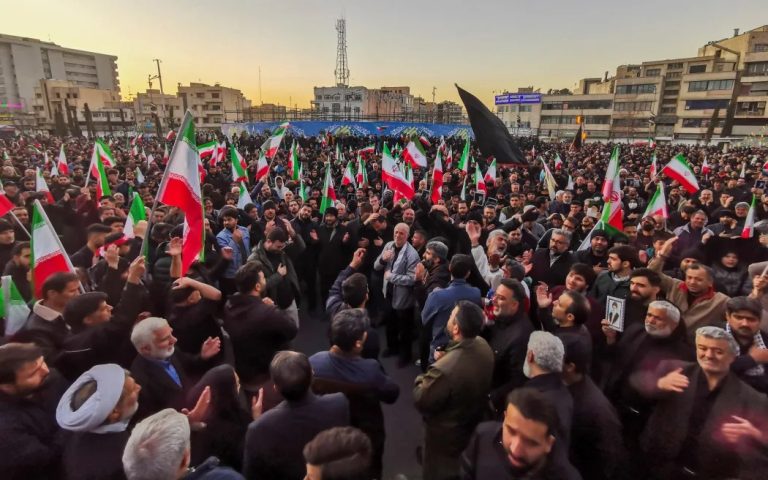
The death of Ali Khamenei, Iran’s Supreme Leader, amid escalating tensions with the United States and Israel, along with the reported killing of other senior military and political figures by Tehran’s foremost adversary, leaves a profound power vacuum at the heart of the Islamic Republic.
The moment raises urgent questions about leadership, succession, and the stability of the system he oversaw for decades. Here’s a closer look at how Iran’s political regime is structured, and how power truly operates within it.
The Nature of the Regime
Iran is a theocratic republic: a hybrid political system that blends electoral institutions with powerful clerical oversight. Its framework is rooted in the 1979 Constitution overthrow of the Pahlavi dynasty by the Islamic Revolution, which enshrined the principle of Velayat-e Faqih (Guardianship of the Islamic Jurist), a Shia Islamic political doctrine developed by Ayatollah Khomeini in 1970. The doctrine grants ultimate authority to a senior Islamic jurist, placing religious leadership at the core of state power.
The Supreme Leader
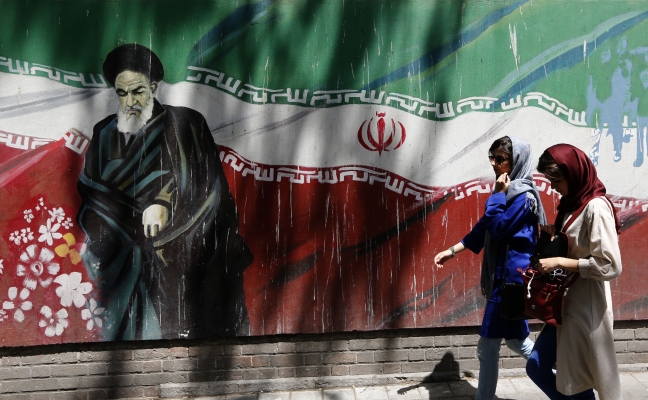
The Supreme Leader is the highest political and religious authority in Iran, sitting at the apex of the country’s power structure. The position oversees the executive, legislative, and judicial branches, making it more powerful than both the president and parliament, and holds the final say on matters of state.
Responsibilities include setting the country’s broad policy direction, serving as commander-in-chief of the armed forces, declaring war or peace, appointing key figures such as the head of the judiciary and senior military commanders, and shaping major national decisions across domestic and foreign policy.
The Supreme Leader is selected by the Assembly of Experts, an 88-member body of clerics elected by the public. While the Assembly is constitutionally empowered to supervise and, in theory, dismiss the Leader, it has never exercised that authority in practice.
The Guardian Council
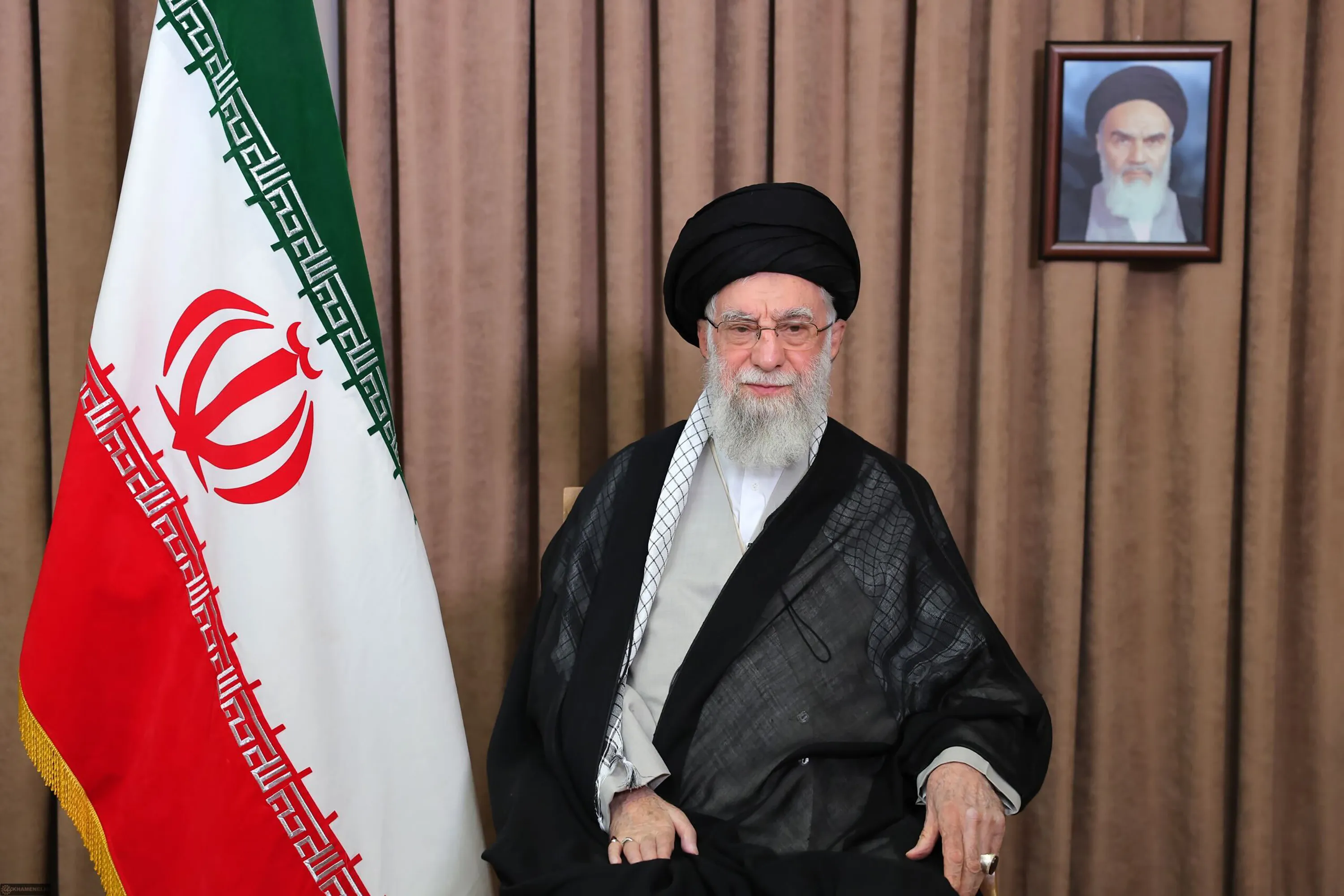
The second pillar of the Islamic Republic is the legislature. This authority is based on two distinct pillars: the Islamic Consultative Assembly and the Guardian Council. The Guardian Council wields considerable power and influence in the Islamic Republic and is responsible for approving all bills passed by parliament and has the power to veto them if it considers them inconsistent with the constitution. It consists of 12 men, half appointed by the supreme leader and the other half by the head of the judiciary.
The council vets parliamentary candidates and bills, as well as nominations for the Assembly of Experts, which holds elections every eight years.
The Parliament (Majles)
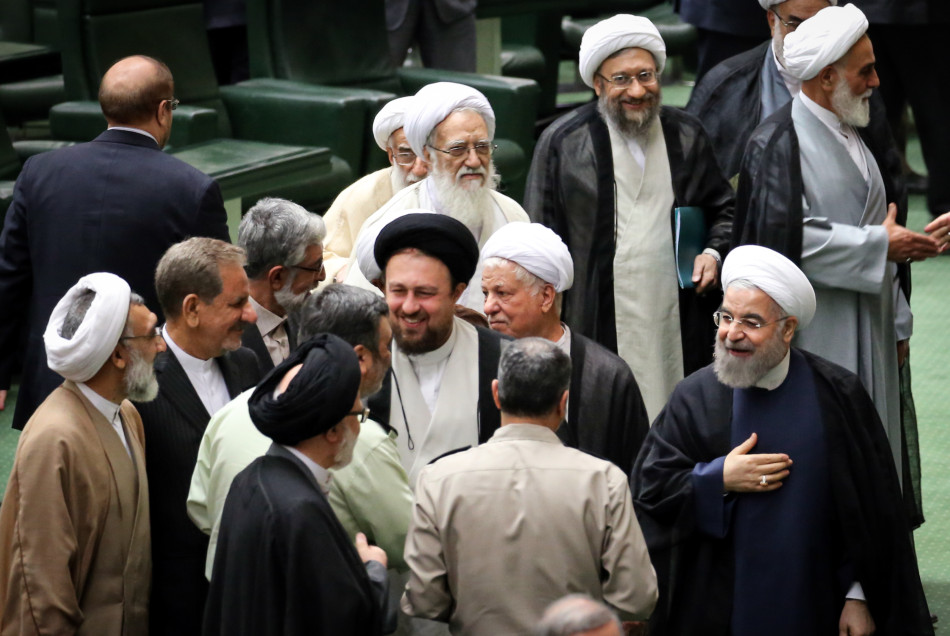
Iran’s Parliament, called the Islamic Consultative Assembly (Majles), has 290 members elected for four-year terms. The main duty of the parliament is to enact laws in all matters and issues within the scope of the constitution.
These limits do not conflict with the Sharia standards in the official religion and the constitution, and it is the responsibility of the Guardian Council to recognize them.

The President
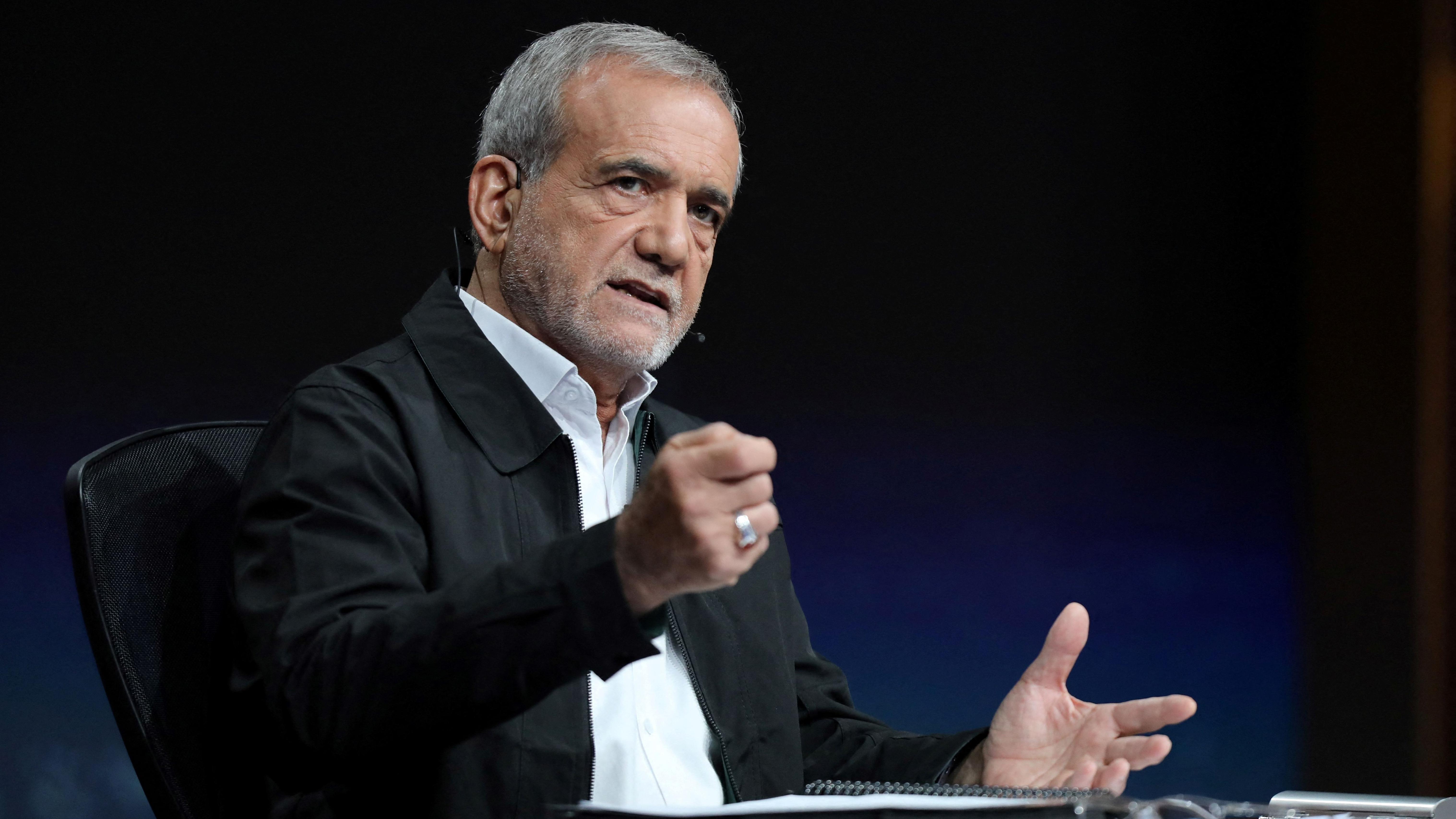
The third pillar of the Islamic Republic is the executive branch. The president is the highest official position of the country, after the leadership position. The president is elected for four years by direct vote of the people. Despite being a prominent figure publicly, the president is subordinate to the Supreme Leader and cannot override policies the Leader controls.
Masoud Pezeshkian is currently the president of Iran, after being elected in the 2024 Iranian presidential election and being officially endorsed by the supreme leader.
The Judiciary
The fourth pillar of the Islamic Republic is the judiciary. This branch is responsible for judicial affairs and the administration of justice, and the authority for dealing with crimes and protecting the rights of individuals and society. At the head of the organization of this branch is the Chief Justice of Iran , who must be a mujtahid who is appointed by the leadership.
Gholam-Hossein Mohseni-Eje’i is an Iranian politician who has been serving this position since 2021.

Islamic Revolutionary Guard Corps (IRGC)
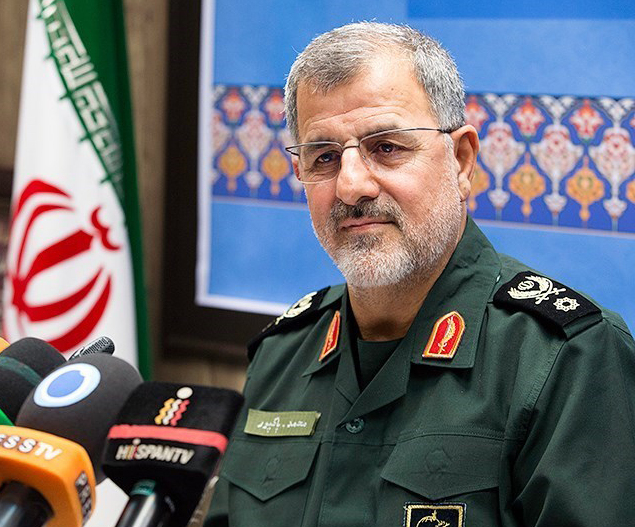
The IRGC is one of the most powerful organizations in Iran, conceived as the principal defender of the 1979 revolution, and now a critical link to Islamist militant groups violently opposed to Israel and the United States.
Mohammad Pakpour served as the commander-in-chief of Iran’s Islamic Revolutionary Guard Corps (IRGC) from June 2025 until his death amid recent tensions.
We Said This: Don’t Miss… Who Might Be Iran’s Next Ruler Following Ayatollah Khamenei’s Death