


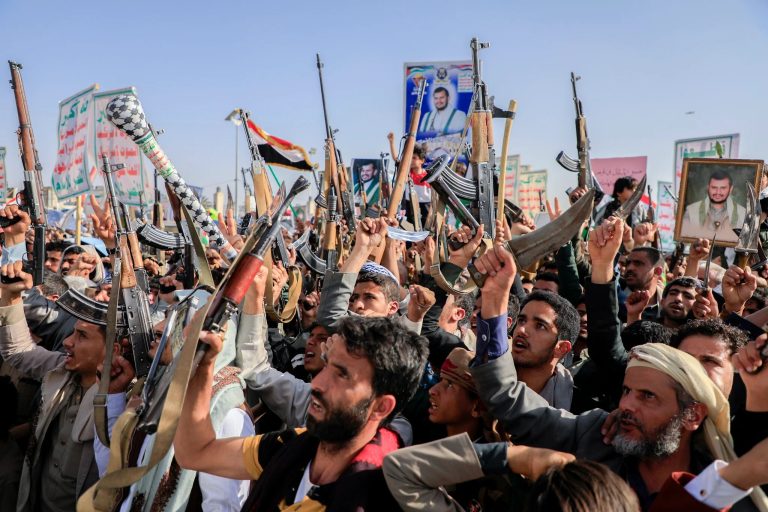
Yemen’s Iran‑aligned Houthis publicly launched ballistic missiles toward southern Israel. Israel’s defense forces reported successful interceptions with no immediate reported casualties. The Houthis said the strikes were retaliation for ongoing attacks on Iran and in solidarity with what they call “resistance fronts.”
This action marks a significant escalation in the Middle Eastern conflict that erupted earlier in 2026, involving Israel, the U.S., Iran, and proxy forces across the region.
Who Are the Houthis?
The Houthis (also called Ansar Allah) are a political and military movement based in northern Yemen originating in the late 1990s and early 2000s among Yemen’s Zaydi Shia community. They began as a local uprising against the Yemeni government, which many in their region saw as corrupt and neglectful.
They are closely aligned with Iran and form part of a wider regional network that includes Hezbollah and allied militias.

How Did They Come to Power?
Advanced Weapons and Regional Reach
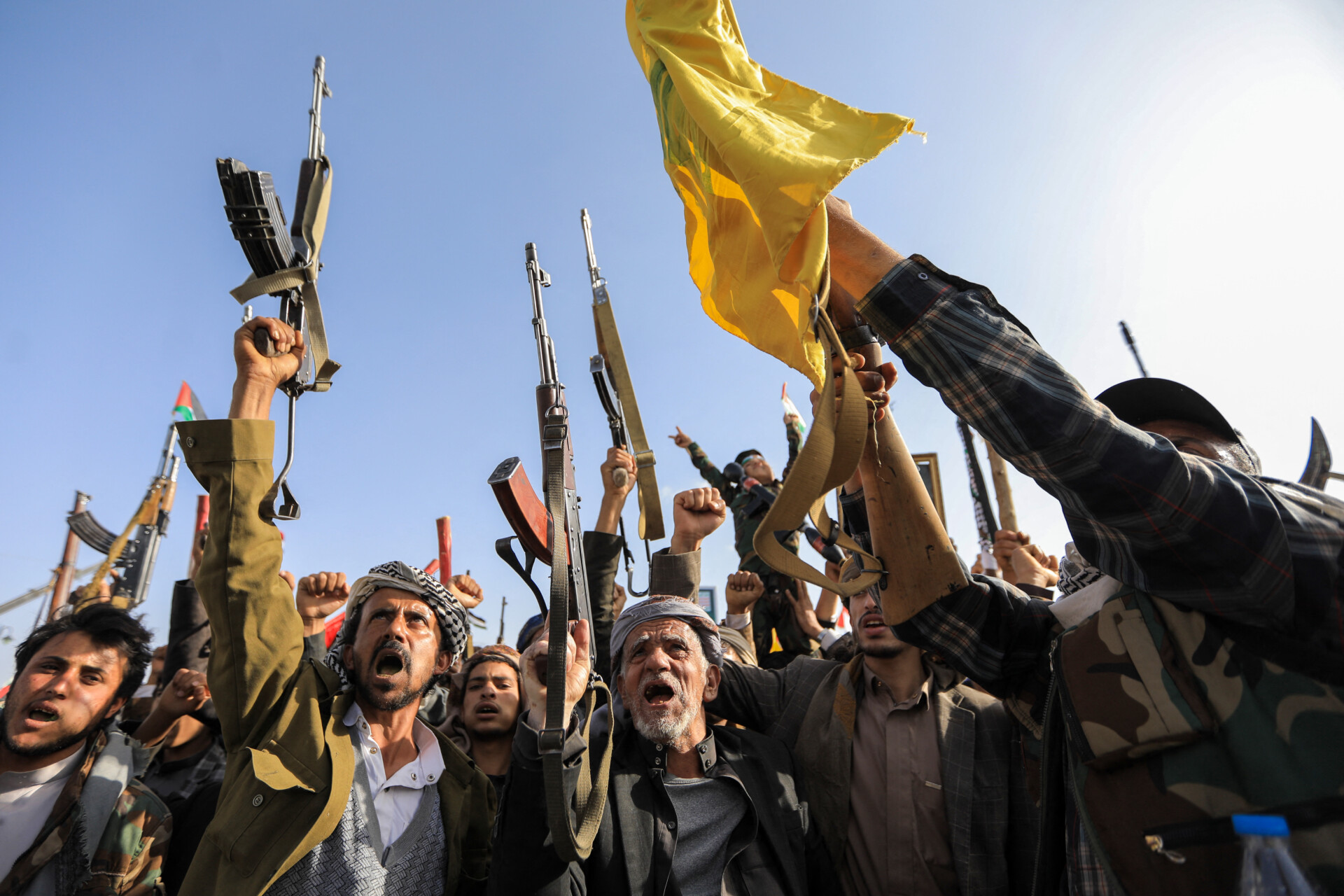
The Houthis possess ballistic missiles, cruise missiles, and armed drones, giving them the capability to strike targets far beyond Yemen’s borders, as seen in their recent attacks on Israel.
The group has also repeatedly targeted commercial shipping in the Red Sea, threatening one of the world’s busiest maritime trade routes. These attacks have forced ships to reroute or increase security measures, raising costs and causing delays for international trade.
What Kept Them Out of the Conflict Until Now
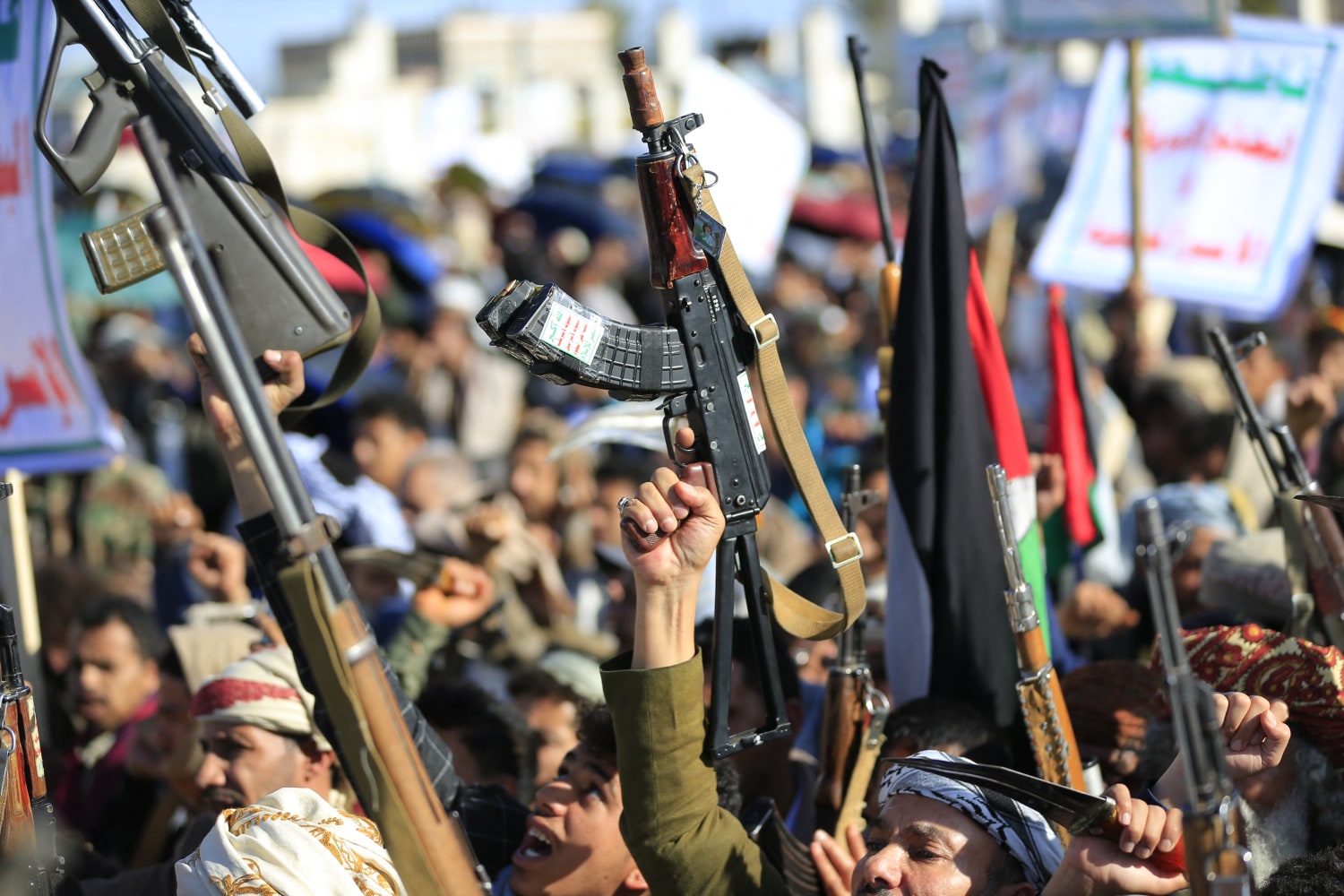
The Houthis had largely stayed out of the broader Iran‑Israel‑U.S. conflict until recently due to a combination of factors: maintaining a fragile ceasefire with Saudi Arabia, avoiding actions that could reignite full-scale conflict in Yemen, and timing their involvement strategically as part of Iran’s regional network.
Yemen remains volatile, and entering a new front could have threatened its territorial control, while Iran appears to have coordinated proxy actions carefully to manage risk. Their recent missile attacks on Israel indicate a shift in this restraint, aligning with the escalation of the wider conflict involving Iran.
Opening a New Front from Yemen
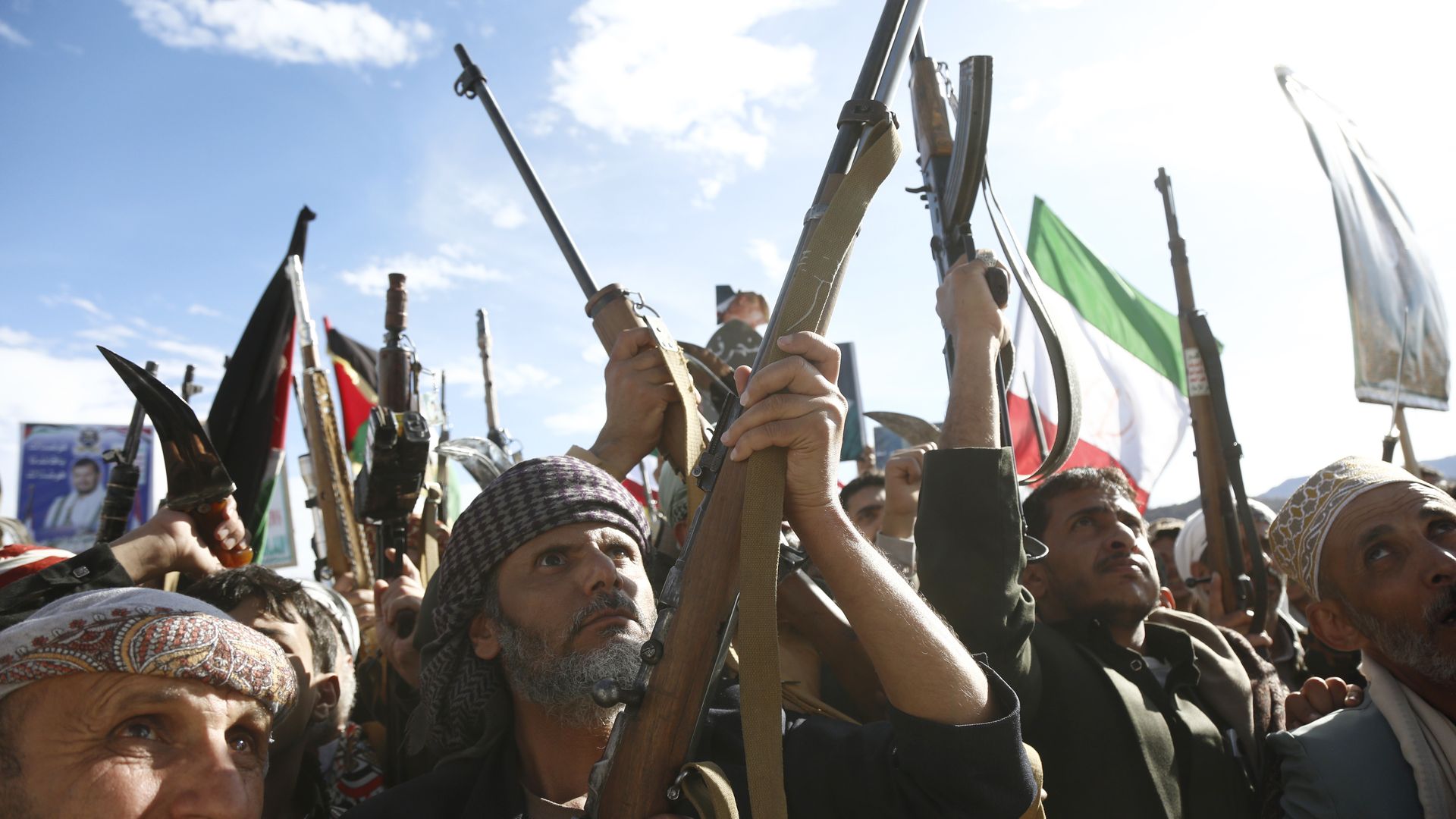
The Houthis’ involvement from Yemen opens a new front far from the main conflict zones. Even limited missile or drone attacks force Israel to stretch its air defences, increase pressure on U.S. and allied forces, and signal deeper coordination among Iran-aligned groups.

Impact on Global Trade
One of the biggest concerns is a return to attacks on shipping in the Red Sea, with missiles and armed drones threatening commercial vessels. Such risks drive higher insurance premiums and freight costs, and if sustained, could disrupt global supply chains already under pressure.

The Houthis’ recent missile strikes on Israel mark a turning point in their role within the 2026 Middle Eastern conflict. Once cautious and restrained, they are now asserting themselves on a regional stage, backed by Iran and equipped with long-range weapons. Their involvement complicates Israel’s defenses, pressures U.S. and allied forces, and threatens global trade, signaling that Yemen, long seen as a localized war zone, has now become a strategic pivot in the broader Middle East conflict.
We Said This: Don’t Miss… Israel and Lebanon’s Decades of War: A Full Breakdown