


Lebanon’s history of unrest didn’t happen overnight. From civil wars to foreign invasions, from political divides to the struggles of everyday people, the tension built over decades. Cinema has captured this story in ways that history books can’t, through the eyes of children, families, and communities trying to survive, resist, and hope. Watching these films lets us trace the wars and understand the human side of the events.
Beirut, My City – 1983
Director: Jocelyne Saab
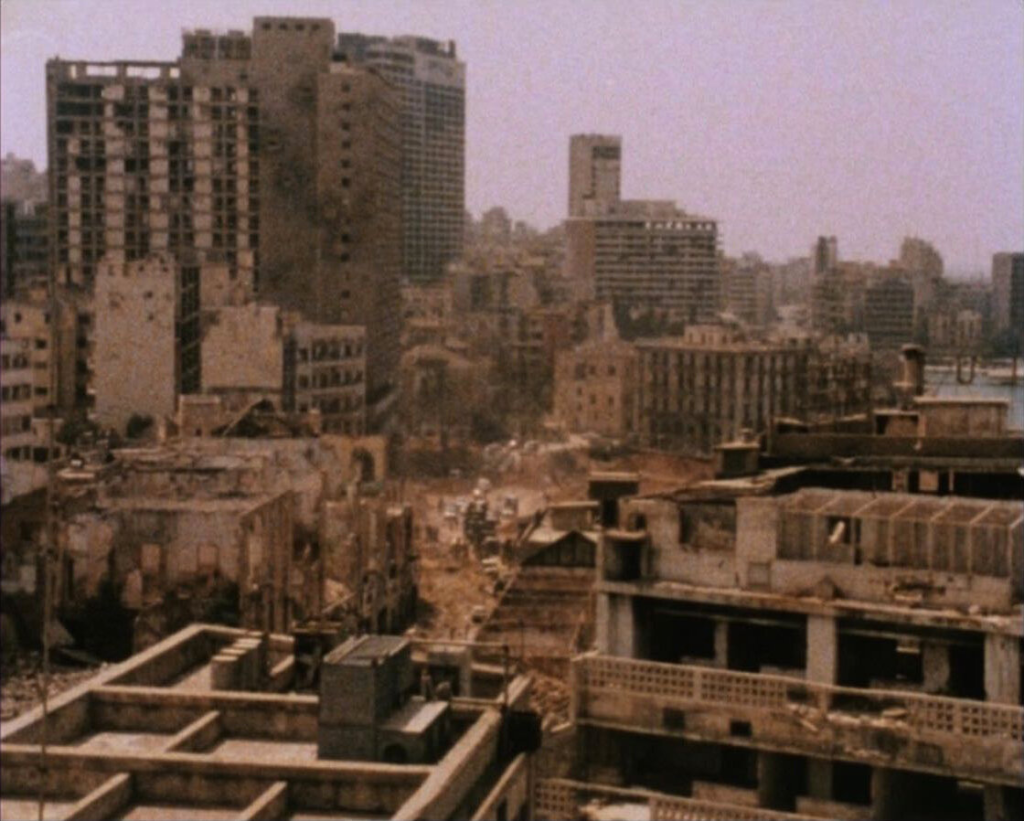
Jocelyne Saab returns to the ashes of her own home after the Israeli siege of Beirut in 1982. The film isn’t just about destruction, it’s about memory. Saab walks through the rubble of her neighborhood, meets displaced families, and captures small glimmers of life amid chaos. Old family heirlooms, animals, rugs, even children playing among ruins—everything shows how life clings on, even when the city seems lost. It’s personal, haunting, and deeply human.
War Generation – Beirut – 1988
Directors: Jean Chamoun & Mai Masri
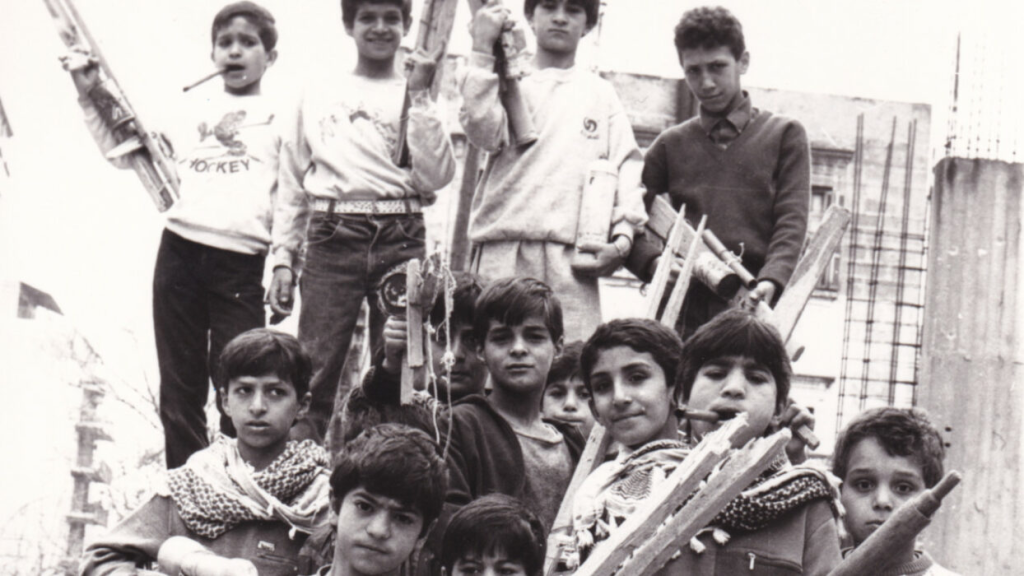
This documentary takes you into the lives of children who literally grew up on the barricades. 13-year-old Nidal and his peers play war games, mimicking the adults around them. Beirut is split—Christians in East Beirut, Muslims and Palestinians in the West. Bombings, poverty, and hunger dominate life, yet the film shows fleeting moments of curiosity, courage, and resilience. Chamoun and Masri capture the tragic normalization of war in a city’s youth.
West Beirut – 1998
Director: Ziad Doueiri
Tarek is a high schooler when the Lebanese civil war breaks out, and at first, it feels like an adventure: school closed, the thrill of crossing East and West Beirut, dodging checkpoints. But the fun quickly fades as he witnesses the tragedy of war—family tensions, death, and the loss of innocence. Doueiri mixes humor and heartbreak, showing how ordinary teenagers’ lives are swept up in forces far beyond their control.
Frontiers of Dreams and Fears – 2001
Director: Mai Masri
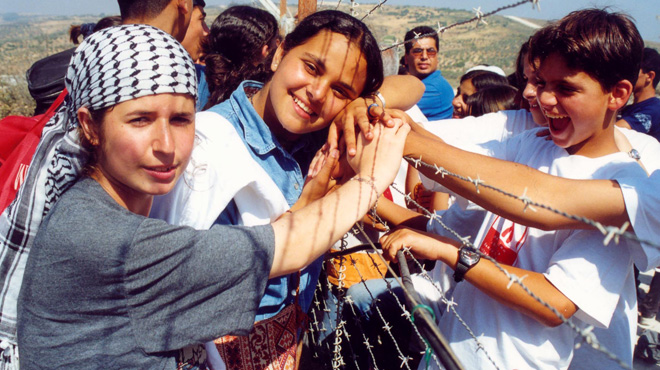
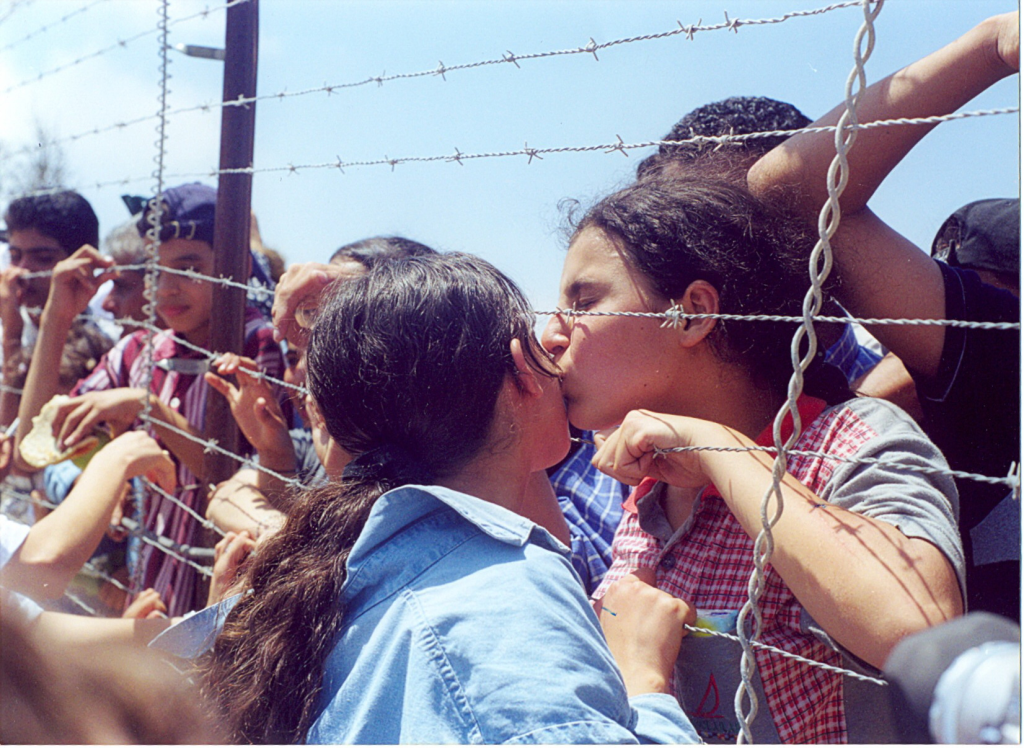
This documentary focuses on two Palestinian girls, Mona and Manar, growing up in refugee camps miles apart. They forge a friendship through emails, defying walls, checkpoints, and borders. Their connection culminates in a tense meeting at the Lebanese-Israeli border fence. The film shows the resilience of youth and the universal longing for friendship and normalcy, even in the most restricted circumstances.
Under the Bombs – 2007
Director: Philippe Aractingi
Set during Israel’s 2006 bombardment, a woman convinces a taxi driver to take her through bombed villages in search of her sister and son. Most characters are real civilians, giving the film a raw documentary feel. It’s tense, intimate, and terrifyingly real: every street could hide bombs, every encounter could be life-changing.
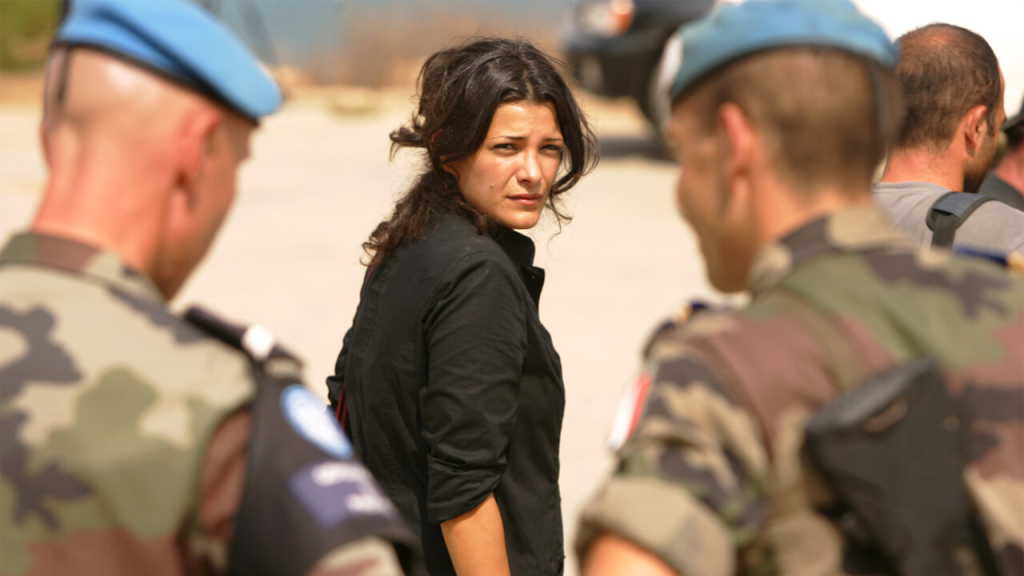
Where Do We Go Now? – 2011
Director: Nadine Labaki
In a remote village, Muslims and Christians live side by side—but outside, conflict looms. To keep the men from fighting, a group of clever women sabotages the radio, destroys the TV, and creates small acts of resistance. Labaki’s film is funny, bittersweet, and hopeful. It reminds us that sometimes, peace depends on the courage and creativity of ordinary people willing to think differently.
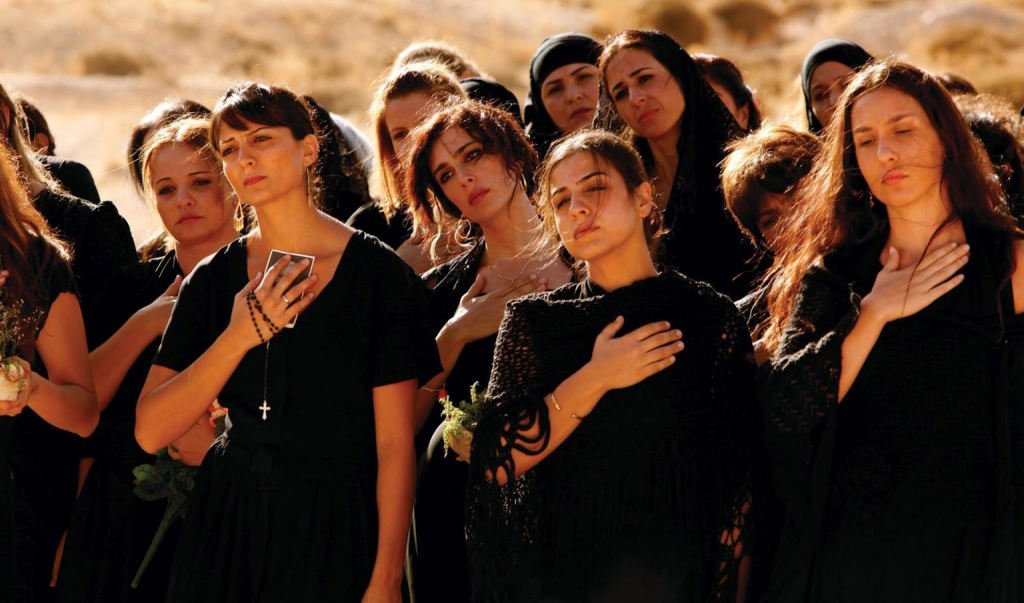
Incendies – 2011
Director: Denis Villeneuve
This gripping thriller follows twins uncovering their mother Nawal’s hidden past. Set in a fictional Middle Eastern country inspired by Lebanon’s civil war, the film shows the horrors of sectarian violence and the personal cost of war. Nawal’s story—kidnapping, abuse, and lost children—blends history, tragedy, and mystery, giving viewers a chilling sense of how conflict reshapes generations.
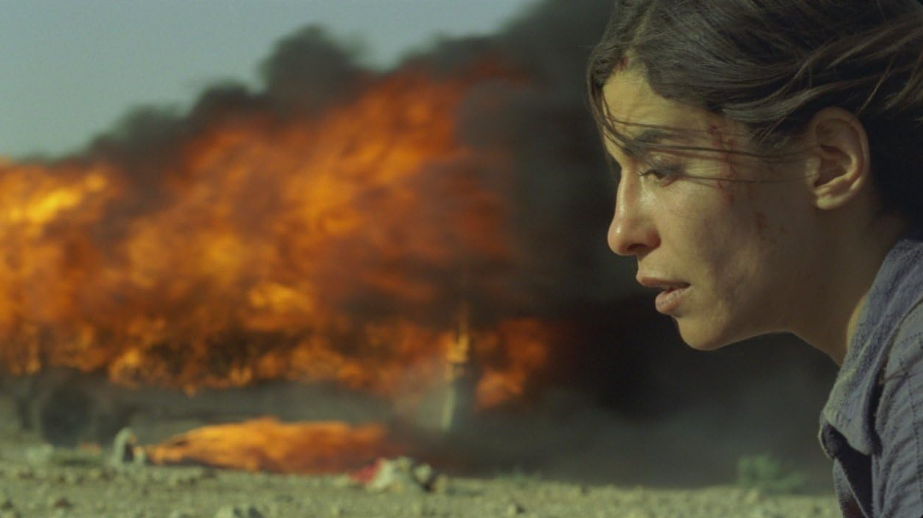
Capernaum – 2018
Director: Nadine Labaki
Zain, a 12-year-old boy, sues his parents for giving him life in a world of abuse and neglect. Filmed in real neighborhoods with real refugees, the story exposes child poverty, street survival, and family neglect. Labaki’s camera captures Beirut as it is today—streets filled with children scavenging and begging, and yet, in Zain’s anger and courage, a remarkable human spirit shines through.
All This Victory – 2019
Director: Ahmad Ghossein
During a 24-hour ceasefire in the 2006 Israel-Hezbollah conflict, Marwan searches for his missing father while bombs resume outside. Trapped inside a house with friends and elders, the tension is palpable. Ghossein captures the small, courageous acts of survival that define life in war: finding shelter, protecting family, and enduring the impossible.
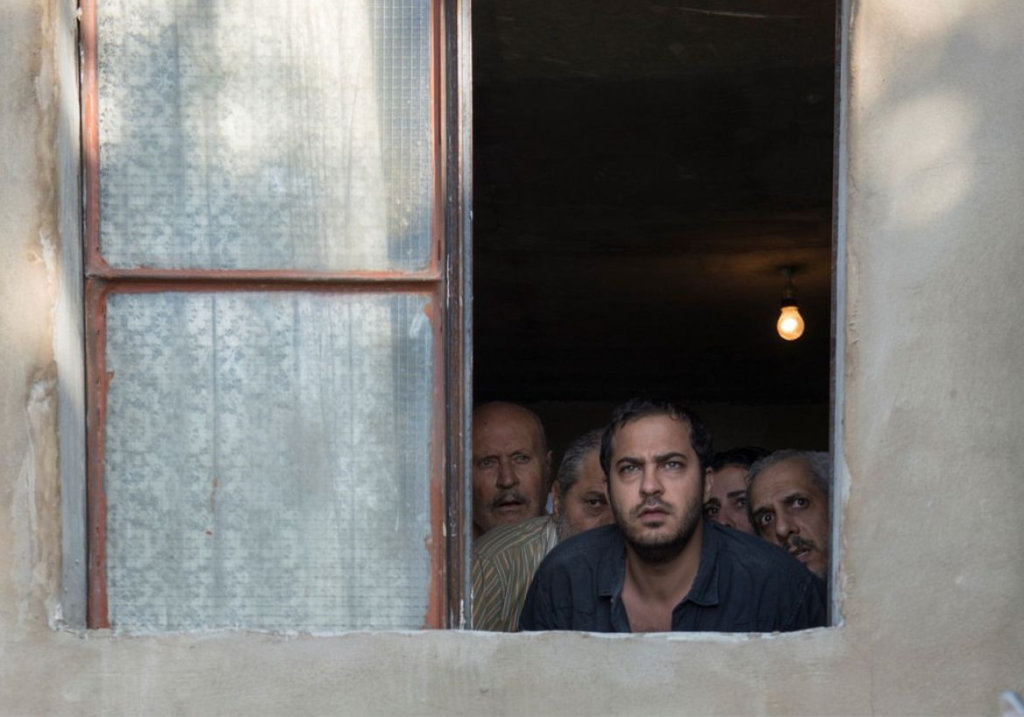
Do You Love Me – 2025
Director: Lana Daher
This documentary blends archival footage, music, and home videos to create a kaleidoscopic portrait of Beirut. From weddings and dancing to bombed buildings and garbage-strewn streets, Daher captures life’s precariousness and resilience. It’s playful, melancholic, and poetic—a city that refuses to be defined by its destruction alone.
Conclusion
Taken together, these films tell the story of Lebanon and the Middle East not as headlines, but as lived experience. Children grow up too fast, families are tested, communities fight to survive, and yet resilience, hope, and creativity persist. From the streets of Beirut to refugee camps and remote villages, cinema allows us to see that conflict didn’t appear overnight—it was built over decades, shaping generations, and leaving marks on both the land and its people. These films are reminders that even amid chaos, human courage endures.
WE SAID THIS: Don’t Miss…Israel and Lebanon’s Decades of War: A Full Breakdown